Introduction
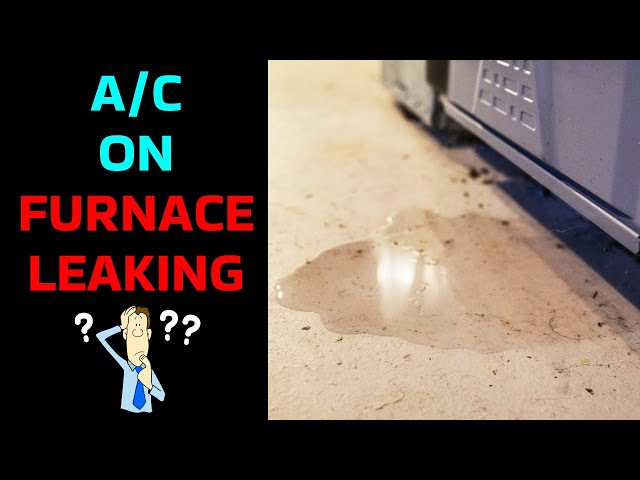
Discovering water dripping from your air conditioner inside your room can be alarming. It’s not only annoying but can also lead to water damage, mold growth, and even electrical hazards if left unattended. This usually happens during peak cooling season when the AC is working hard, but it can also occur anytime the system is running. Addressing this issue promptly is crucial to prevent further damage to your home and ensure your AC operates efficiently. This guide will walk you through the common causes and steps you can take to fix it yourself.
Common Causes of ac water dripping inside room
Several factors can cause your AC to leak water inside your room. Here are some of the most common:
- Clogged Drain Line: This is the most frequent culprit. The drain line carries condensation away from the unit. If it’s blocked, water backs up and overflows inside.
- Dirty Air Filter: A clogged filter restricts airflow, causing the evaporator coil to freeze. When the ice melts, it can overwhelm the drain pan.
- Frozen Evaporator Coil: Similar to a dirty filter, low refrigerant levels or a malfunctioning fan can also cause the coil to freeze.
- Damaged or Cracked Drain Pan: The drain pan collects condensation. Cracks or damage will cause water to leak.
- Improper Installation: An incorrectly installed AC unit may not be level, causing water to overflow the drain pan.
- Low Refrigerant Levels: Low refrigerant can cause the evaporator coil to become too cold and freeze, leading to water leaks as it melts.
- Kinked or Disconnected Drain Line: A kink in the drain line can restrict water flow, and a disconnected line will obviously leak.
- Dirty Evaporator Coil: Dust and debris on the coil can impede heat transfer, potentially leading to freezing and subsequent water leaks.
Symptoms Checklist
Check these indicators to confirm the problem:
- Visible water dripping from the indoor AC unit.
- Puddle of water near or under the indoor AC unit.
- Musty odor or signs of mold growth around the AC unit.
- Reduced cooling efficiency of the AC.
- Ice formation on the indoor AC unit’s coils.
- Unusual noises coming from the AC unit.
How to Fix ac water dripping inside room Step-by-Step Guide
Follow these steps to troubleshoot and fix the leak:
- Turn Off the AC: Immediately switch off the AC unit to prevent further water damage and electrical hazards.
- Inspect the Air Filter: Remove the air filter and check if it’s dirty. If so, clean or replace it. A clean filter improves airflow.
- Locate the Drain Line: The drain line is usually a PVC pipe that exits the indoor unit and runs outside or to a drain.
- Check for Kinks or Disconnections: Examine the drain line for any kinks, bends, or disconnections. Straighten any kinks and reconnect any loose connections.
- Clear the Drain Line: Use a wet/dry vacuum to suck out any clogs in the drain line. Attach the vacuum hose to the end of the drain line (where it exits the house or connects to a drain) and run it for a few minutes.
- Flush the Drain Line: Pour a cup of white vinegar into the drain line opening to kill algae and prevent future clogs. Let it sit for about 30 minutes, then flush with water.
- Inspect the Drain Pan: Check the drain pan for cracks, damage, or overflowing water. If the pan is cracked, you might need a replacement (see “When Replacement Might Be Necessary”).
- Check for Ice Formation: Look inside the unit for ice buildup on the evaporator coils. If ice is present, let it thaw completely before restarting the AC.
- Ensure Proper Airflow: Make sure furniture or curtains are not blocking the airflow around the indoor AC unit.
- Level the Unit: Use a level to check if the AC unit is properly leveled. If it’s tilted, adjust the mounting brackets to ensure it’s level.
- Restart the AC: After completing the above steps, turn the AC back on and monitor it for any further leaks.
- Monitor Condensation: Keep an eye on the drain line exit point outside to ensure water is draining properly while the AC is running.
- Run the AC in Fan Mode: If you suspect the coil froze, run the AC in fan-only mode for a few hours to help thaw any remaining ice.
Fix the Issue Without Buying Parts
Before you consider buying new parts, try these free methods:
- Reset the AC: Turn off the AC at the breaker for 15 minutes, then turn it back on. This can sometimes resolve minor glitches.
- Thorough Cleaning: Clean the air filter regularly (every 1-3 months) and wipe down the exterior of the unit to remove dust.
- Visual Inspection: Carefully inspect all visible parts, especially the drain line and drain pan, for any obvious signs of damage or blockage.
- Routine Maintenance: Regular cleaning and inspections can prevent many issues.
When Replacement Might Be Necessary
If the drain pan is severely cracked or the evaporator coil is damaged beyond repair, replacement might be necessary. Replacing a drain pan can cost around $50-$150, while replacing an evaporator coil can range from $500-$2000 depending on the AC unit model. A common part to fail is the drain pan due to prolonged exposure to water and temperature changes. If you suspect a refrigerant leak, you will need a professional to recharge the system.
Safety Warning
- Always turn off the AC at the breaker before performing any maintenance or repairs.
- Be careful when working around electrical components. If you’re not comfortable, call a professional.
- Avoid letting water accumulate on the floor to prevent slips and falls. Clean up any spills immediately.
- Do not attempt to disassemble the AC unit beyond removing the air filter or accessing the drain line.
Tools You May Need
- Screwdriver (Phillips and flathead)
- Wet/Dry Vacuum
- White Vinegar
- Level
- Clean Cloth or Rags
- Flashlight
FAQ
Here are some common questions and answers:
- Q: Why is my AC dripping water even after I cleaned the filter? A: There might be other issues like a clogged drain line, frozen coil, or low refrigerant. Continue troubleshooting using the steps above.
- Q: How often should I clean my AC filter? A: Ideally, every 1-3 months, depending on usage and air quality.
- Q: Can I use bleach to clean the drain line? A: While bleach can kill algae, it can also damage some drain line materials. White vinegar is a safer alternative.
- Q: What if I can’t find the drain line? A: Consult your AC unit’s manual or contact a professional technician for assistance.
Conclusion
Finding water dripping from your AC unit can be frustrating, but with a little patience and these troubleshooting steps, you can often resolve the issue yourself. Remember to prioritize safety and follow the steps carefully. If you’ve tried these solutions and the leaking persists, it might be time to call a qualified HVAC technician for professional assistance. Good luck!
Youtube Video:
Looking for more useful options?
Check out recommended resources that others find helpful.