Introduction
Finding your air conditioner suddenly pouring out water can be frustrating and concerning. It’s more than just a nuisance; unchecked water leakage can damage your walls, floors, and even lead to mold growth. This often happens during periods of high humidity when your AC is working hard to cool your home. Addressing the problem promptly is key to preventing further damage and ensuring your AC continues to run efficiently.
Common Causes of AC Pouring Out Water
Several issues can cause your AC to leak water. Here are some of the most common:
- Clogged Drain Line: This is the most frequent culprit. Dust, algae, and debris can build up in the drain line, blocking the water’s exit.
- Dirty Air Filter: A clogged air filter restricts airflow, causing the evaporator coil to freeze. When the ice melts, it can overwhelm the drain pan and cause leaks.
- Broken Drain Pan: The drain pan collects condensation. If it’s cracked or rusted, water will leak out.
- Low Refrigerant Levels: Low refrigerant can cause the evaporator coil to freeze. As with a dirty air filter, the melting ice can lead to overflowing.
- Incorrect AC Installation: If the AC unit isn’t properly leveled, the drain pan might not drain correctly.
- Condensate Pump Failure (for units with pumps): Some AC systems use a condensate pump to move water uphill. If the pump fails, the water won’t be removed.
- High Humidity: Extremely humid conditions can produce more condensation than the system is designed to handle, leading to overflow.
- Drain Line Disconnection: The drain line might become detached from the AC unit or its outlet.
Symptoms Checklist
Confirming the symptoms will help you pinpoint the problem:
- Water dripping or pouring from the indoor AC unit.
- Water stains on the ceiling or walls near the AC unit.
- Standing water around the base of the outdoor AC unit.
- Musty odor coming from the AC unit or vents.
- Ice forming on the evaporator coils (you might need to remove a panel to see this).
- AC unit not cooling as effectively as usual.
- Water accumulating in the drain pan.
How to Fix AC Pouring Out Water Step-by-Step Guide
Follow these steps to troubleshoot and fix the issue:
- Turn off the AC: Before you begin any troubleshooting, turn off the AC unit at the thermostat and the breaker.
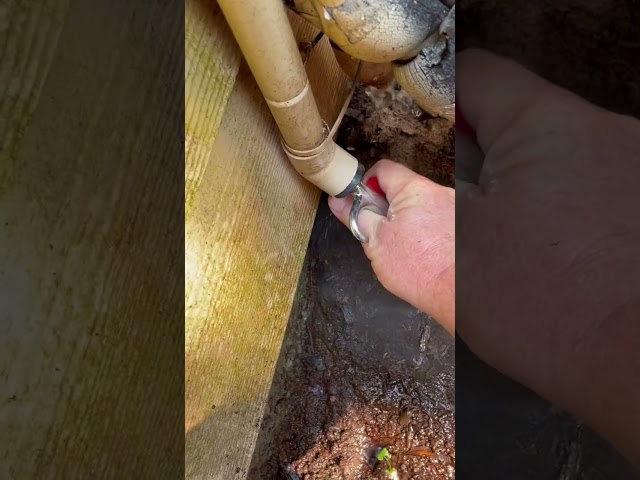
- Locate the Drain Line: Usually a PVC pipe located near the indoor unit, often near the furnace.
- Check for Clogs: Look for visible obstructions at the drain line opening.
- Clear the Drain Line with a Wet/Dry Vacuum: Attach the vacuum hose to the end of the drain line and try to suck out any clogs. Seal the connection well. Run the vacuum for several minutes.
- Flush the Drain Line with Vinegar: Pour a cup of white vinegar down the drain line. Vinegar helps dissolve algae and mold. Let it sit for 30 minutes, then flush with water.
- Use a Drain Line Cleaning Tool: A flexible wire or drain snake can help break up stubborn clogs. Gently insert it into the drain line and twist to dislodge debris.
- Check the Drain Pan: Inspect the drain pan for cracks, rust, or overflowing water.
- Clean the Drain Pan: If the pan is dirty, carefully remove any standing water and clean it with a mild bleach solution (mix 1 part bleach with 10 parts water). Wear gloves!
- Replace Air Filter: Remove and replace the air filter, as a dirty filter causes freezing.
- Inspect the Evaporator Coils (if accessible): If you can safely access the coils (usually behind a panel), check for ice buildup. If there’s ice, let it thaw completely before restarting the AC.
- Check the Condensate Pump (if applicable): Locate the pump and check its reservoir. Is it full? Listen for the pump operating when the AC is running. If it’s not running, it might be faulty.
- Level the AC Unit: Use a level to ensure the AC unit is sitting level. Shim it if necessary.
- Reconnect Disconnected Drain Line: If the drain line is disconnected, reconnect it securely.
- Monitor the AC: After completing these steps, turn the AC back on and monitor it for a few hours to see if the leaking has stopped.
Fix the Issue Without Buying Parts
Many AC drainage problems can be resolved without buying new parts. Regular cleaning of the air filter and drain line is crucial. Ensure the AC unit is properly leveled. A simple reset by turning off the breaker for 30 minutes can sometimes resolve minor electrical glitches. Routine inspections of the drain pan and surrounding areas can help catch problems early.
When Replacement Might Be Necessary
If the drain pan is severely cracked or rusted, it will need to be replaced (estimated cost: $50 – $200). If the condensate pump has failed (estimated cost: $80 – $300), replacing it is often the best option. In rare cases, low refrigerant requires professional attention and could signal a larger issue. If the evaporator coils are severely corroded, they may need replacement, a costly repair (potentially $500 – $1500). A severely clogged or collapsed drain line might also warrant professional attention and replacement.
Safety Warning
- Always turn off the AC unit at the breaker before attempting any repairs.
- Be careful when working with electrical components.
- Avoid standing water near electrical outlets to prevent shock hazards.
- Wear gloves when cleaning with bleach or other cleaning solutions.
- If you’re uncomfortable with any of these steps, call a qualified HVAC technician.
Tools You May Need
- Wet/dry vacuum
- White vinegar
- Drain line cleaning tool (flexible wire or drain snake)
- Mild bleach solution
- Screwdrivers
- Level
- Gloves
- Flashlight
FAQ
Here are some frequently asked questions:
- Q: Why is my AC leaking water even after I cleaned the drain line? A: There might be a crack in the drain pan or a more stubborn clog further down the line. Re-inspect these areas.
- Q: How often should I clean my AC’s drain line? A: Ideally, you should clean it at least once a year, preferably before the cooling season begins.
- Q: Can low refrigerant cause my AC to leak water? A: Yes, low refrigerant can cause the evaporator coil to freeze, leading to water leakage when the ice melts.
- Q: Why does my AC only leak water when it’s very humid? A: High humidity increases condensation, potentially overwhelming the drainage system if it’s already partially clogged or undersized.
- Q: I cleaned the drain line, but the water is still backing up. What should I do? A: You might have a more complex issue that requires professional help. It could be a collapsed drain line or an issue with the condensate pump.
Conclusion
Don’t panic if you find your AC leaking water. Often, the problem is a simple clog that you can easily fix yourself. By following these troubleshooting steps, you can potentially save yourself a costly service call. However, if you’re uncomfortable with any of these steps, or if the problem persists, don’t hesitate to call a qualified HVAC technician. Taking the DIY route first can lead to a simple fix and increased understanding of your unit.
Youtube Video:
Looking for more useful options?
Check out recommended resources that others find helpful.