Introduction
A clogged drain pump in your LG front load washer can be a frustrating issue. It prevents the washer from draining water after a cycle, leaving your clothes soaking wet and potentially causing unpleasant odors. This problem often arises due to small objects, lint, or debris obstructing the pump. Addressing this quickly is important to avoid further damage to the washer and prevent mold growth. Don’t worry, with a few simple steps, you can often resolve this yourself!
Common Causes of LG Front Load Washer Drain Pump Clogged
Here are some of the most common reasons why your LG washer’s drain pump might be clogged:
- Small Items of Clothing: Socks, underwear, or washcloths can sometimes slip past the inner tub and into the pump area.
- Coins: Loose change in pockets is a frequent offender.
- Buttons: Buttons that detach from clothing can easily find their way into the drain pump.
- Lint Buildup: Over time, lint accumulates and can create a blockage in the drain pump or drain hose.
- Pet Hair: Pet hair is notorious for clumping together and causing clogs.
- Gravel or Dirt: If you wash work clothes, small rocks or dirt particles can enter the pump.
- Paper or Tissues: Tissues left in pockets can disintegrate and clog the drain pump.
- Soap Residue: Excessive use of detergent can lead to soap buildup, contributing to clogs.
Symptoms Checklist
If you suspect a clogged drain pump, look for these telltale signs:
- The washer isn’t draining water after a cycle.
- The washer displays an error code related to draining (e.g., OE, dE).
- You hear a humming or grinding noise during the drain cycle.
- The washer smells musty or moldy due to standing water.
- The cycle takes much longer than usual.
How to Fix LG Front Load Washer Drain Pump Clogged Step-by-Step Guide
Follow these steps to troubleshoot and clear a clogged drain pump:
- Unplug the Washer: For safety, always disconnect the washer from the power outlet before starting any repairs.
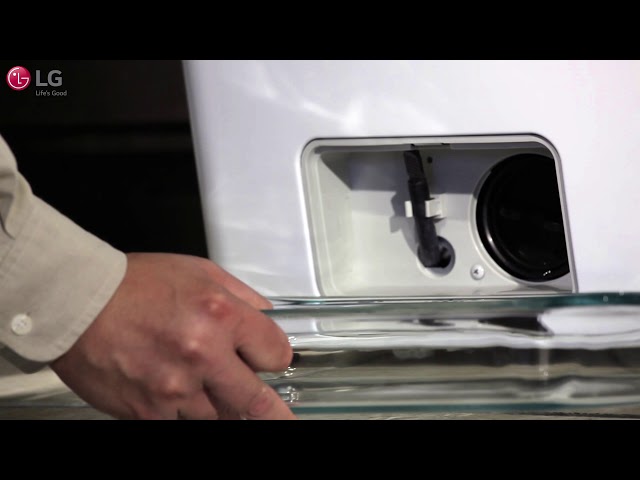
- Locate the Drain Pump Access Panel: This is usually at the bottom front of the washer, behind a small access door. Consult your owner’s manual if you’re unsure.
- Prepare for Water Spillage: Place a shallow pan or several towels in front of the access panel to catch any water that might spill out.
- Open the Access Panel: Use a screwdriver or your fingers to open the panel.
- Locate the Drain Plug or Hose: Inside, you’ll see a drain plug or a small drain hose.
- Carefully Drain the Remaining Water: If there’s a drain hose, gently pull it out and remove the plug (if there is one) to allow water to drain into your pan. If there’s only a plug, slowly unscrew it, allowing water to escape gradually. Be patient, as the water may come out forcefully at first.
- Remove the Drain Pump Filter/Cap: Once the water has drained, you’ll see the drain pump filter or cap. Turn it counterclockwise to remove it.
- Inspect and Clean the Filter: Remove any lint, debris, or foreign objects from the filter. Rinse it thoroughly under running water.
- Inspect the Drain Pump Housing: Use your fingers or pliers to carefully remove any obstructions from the pump housing. A flashlight can be helpful.
- Reassemble the Filter/Cap: Securely reattach the drain pump filter/cap by turning it clockwise until it’s snug.
- Close the Drain Plug/Hose: Ensure the drain plug is tightened or the drain hose is properly plugged and secured.
- Close the Access Panel: Reattach the access panel.
- Plug in the Washer: Reconnect the washer to the power outlet.
- Test the Washer: Run a short rinse/spin cycle to check if the washer is draining properly.
- Monitor for Leaks: After the test cycle, check for any leaks around the drain pump area.
Fix the Issue Without Buying Parts
Before considering replacement, try these methods:
- Reset the Washer: Unplug the washer for a few minutes, then plug it back in. This can sometimes clear error codes.
- Clean the Drain Hose: Detach the drain hose from the washer and the drainpipe, and flush it with water to remove any blockages.
- Check the Drainpipe: Make sure the drainpipe where the washer’s hose connects isn’t clogged.
- Reduce Detergent Use: Using too much detergent can contribute to clogs. Follow the detergent manufacturer’s instructions.
- Run a Cleaning Cycle: Some LG washers have a self-cleaning cycle that helps remove buildup.
- Inspect the Tub: Periodically check the washer tub for small objects that may have slipped past the seals.
When Replacement Might Be Necessary
If the drain pump continues to be clogged after cleaning and troubleshooting, or if you notice the pump is making excessive noise, replacement might be necessary. A new drain pump typically costs between $50 and $150 USD, depending on the model. The most common parts to fail are the pump motor and the impeller (the rotating part that pushes water). If you hear a grinding noise, the impeller might be damaged.
Safety Warning
- Always unplug the washer before performing any maintenance or repairs.
- Be cautious when handling water, as it may be hot or contain detergent residue.
- Wear gloves to protect your hands from sharp objects or debris.
- Clean up any spilled water immediately to prevent slips and falls.
- If you’re uncomfortable performing these steps, consult a qualified appliance repair technician.
Tools You May Need
- Screwdriver (Phillips head or flat head, depending on your washer model)
- Pliers
- Shallow pan or towels
- Flashlight
- Gloves
FAQ
Here are some frequently asked questions about clogged washer drain pumps:
-
Q: Why is my washer draining slowly?
A: A partial clog in the drain pump or drain hose is the most likely cause. -
Q: How often should I clean my washer’s drain pump?
A: It’s a good idea to clean the drain pump every 3-6 months, or more frequently if you wash a lot of heavily soiled items. -
Q: Can I use a chemical drain cleaner to clear the clog?
A: No, it’s generally not recommended to use chemical drain cleaners in washing machines, as they can damage the components. -
Q: What does the ‘OE’ error code mean?
A: The ‘OE’ error code typically indicates a draining issue, which could be a clogged drain pump or a problem with the drain hose.
Conclusion
A clogged drain pump doesn’t necessarily mean your washer is broken beyond repair. By following these troubleshooting steps, you can often resolve the issue yourself and save money on repair costs. However, if you’re uncomfortable performing these tasks or if the problem persists, don’t hesitate to contact a qualified appliance repair technician for assistance. Good luck!
Youtube Video:
Looking for more useful options?
Check out recommended resources that others find helpful.