Introduction
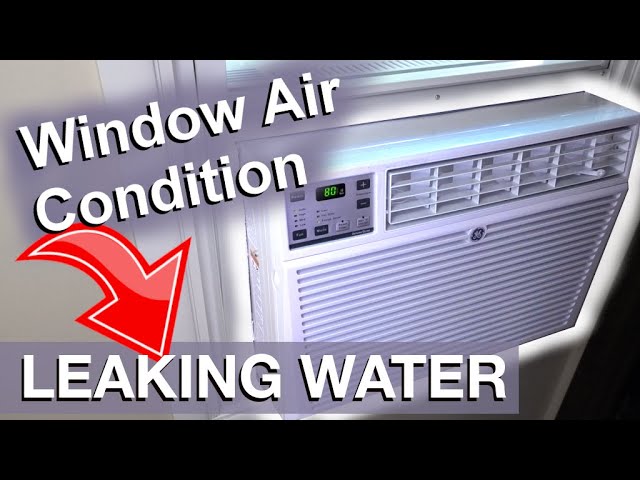
A window air conditioner usually drips water outside as a normal part of its operation. This water is condensation, which is created as the AC cools the warm, humid air inside your home. When you notice your window AC isn’t leaking water, it might seem like a good thing, but it can actually indicate a problem. Its important to address this because the lack of dripping can lead to internal problems and decreased cooling efficiency. If left unaddressed, it could even damage the unit. Addressing this issue promptly will help ensure your AC runs efficiently and prevents potential breakdowns.
Common Causes of Window AC Not Leaking Water
Here are some possible reasons why your window AC might not be dripping water:
- Low Humidity: If the air is very dry, there may not be enough moisture to condense.
- Clogged Drain Hole: The drain hole, which allows condensation to escape, can become blocked with dust, dirt, or debris.
- Improper Installation Angle: Window AC units are designed to be slightly tilted downwards to allow water to drain properly. If it’s level or tilted inwards, the water might stay inside.
- Frozen Evaporator Coils: If the coils inside the AC freeze up, condensation can’t form properly.
- Refrigerant Leak: While less common, a refrigerant leak can affect the AC’s cooling performance and reduce condensation.
- Dirty Air Filter: A clogged air filter restricts airflow, causing the evaporator coils to get too cold and potentially freeze.
- Damaged Drain Pan: Cracks or damage to the drain pan can allow the water to leak inside the unit rather than draining properly.
- New AC Unit/Cooling Cycle: A brand new AC or one recently switched on may take time to produce condensation, especially in drier climates.
Symptoms Checklist
Check for these signs to help identify the problem:
- No water dripping outside when the AC is running for an extended period.
- Water dripping inside the room, near the AC unit.
- The AC unit is not cooling as effectively as usual.
- Ice buildup visible on the coils inside the unit (requires removing the front panel – proceed with caution and unplugged).
- A musty or moldy smell coming from the AC.
- The AC unit is making unusual noises (gurgling, hissing, etc.).
How to Fix Window AC Not Leaking Water Step-by-Step Guide
Follow these steps to troubleshoot your window AC:
- Check the Humidity: If it’s a very dry day, the lack of dripping might be normal. Wait for a more humid day and see if the issue persists.
- Turn Off and Unplug: Always disconnect the AC from the power outlet before performing any maintenance or inspection.
- Inspect the Air Filter: Remove the air filter (usually behind the front panel) and clean or replace it. A dirty filter restricts airflow.
- Locate the Drain Hole: The drain hole is typically located at the back of the unit, on the outside.
- Clean the Drain Hole: Use a small wire, pipe cleaner, or toothpick to gently clear any blockages in the drain hole. Be careful not to push debris further in.
- Check the Installation Angle: Make sure the AC unit is slightly tilted downwards towards the outside. You can use shims (small pieces of wood or plastic) to adjust the angle.
- Inspect for Ice Buildup: If you suspect frozen coils, turn off the AC and let it thaw completely (several hours). Ensure proper ventilation around the unit.
- Clean the Coils (if accessible): After the unit is unplugged and thawed, carefully vacuum the evaporator coils (inside the unit) using a brush attachment.
- Check the Drain Pan (if accessible): Inspect the drain pan (underneath the coils) for cracks or damage. If damaged, it will need replacement.
- Restart the AC: After cleaning and inspecting, plug the AC back in and turn it on. Observe if water starts dripping normally.
- Monitor Cooling Performance: Check if the AC is cooling the room effectively. If not, there might be other underlying issues.
- Check Exterior for obstructions: Confirm nothing is blocking the back of the unit, restricting airflow or drainage.
- Check for Kinks in Drainage system: Some units have external drain tubes. Check that they are not kinked or pinched, causing a blockage.
Fix the Issue Without Buying Parts
Often, you can resolve the issue without needing to buy any new parts:
- Reset the AC: Unplug the AC for 15-20 minutes, then plug it back in. This can sometimes reset the internal controls.
- Regular Cleaning: Clean the air filter every month and the coils twice a year to prevent blockages and ice buildup.
- Proper Installation: Ensure the AC is installed correctly with the proper downward angle for drainage.
- Routine Inspection: Regularly inspect the unit for any signs of damage, leaks, or blockages.
When Replacement Might Be Necessary
If you’ve tried all the troubleshooting steps and the AC still isn’t dripping water (and the cooling performance is poor), consider these situations:
- Refrigerant Leak: Refrigerant leaks usually require professional repair. Adding refrigerant can cost between $150-$300 USD. If the leak is severe or repairing it is too costly, replacing the AC is often more economical.
- Major Component Failure: If the compressor, fan motor, or other major components are damaged, replacement is often the best option.
- Age of the Unit: If the AC is more than 8-10 years old, it might be nearing the end of its lifespan. Replacing it with a newer, more efficient model might be a better investment.
A new window AC unit can cost anywhere from $150 to $600+ USD, depending on the size and features.
Safety Warning
- Always unplug the AC unit before performing any maintenance or inspections.
- Avoid working with electricity on wet surfaces.
- Be careful when handling sharp objects or tools.
- If you’re not comfortable working with electrical appliances, consult a qualified technician.
Tools You May Need
- Screwdriver (Phillips and flathead)
- Small wire, pipe cleaner, or toothpick
- Vacuum cleaner with brush attachment
- shims (for adjusting angle)
- Gloves
FAQ
Q: Why is my AC freezing up even when it’s not that hot outside?
A: A dirty air filter restricts airflow, causing the coils to get too cold and freeze. Clean or replace the air filter.
Q: How often should I clean my AC filter?
A: Ideally, clean your air filter every month, or more frequently if you have pets or allergies.
Q: What should I do if water is leaking inside my house from the AC?
A: This usually indicates a clogged drain hole or that the AC is not properly tilted downwards. Follow the steps above to clean the drain and adjust the angle.
Q: My AC is running, but not cooling well. Could this be related to the water not dripping?
A: Yes, a lack of water dripping can indicate a problem that’s also affecting cooling performance, such as frozen coils or a refrigerant leak.
Conclusion
Troubleshooting a window AC that’s not dripping water can seem daunting, but with a systematic approach, you can often identify and resolve the issue yourself. Start with the simple steps like cleaning the filter and drain hole, and adjusting the installation angle. If the problem persists, consider more complex issues like frozen coils or refrigerant leaks. Remember, safety first! If you’re not comfortable working with electrical appliances, don’t hesitate to call a qualified technician. Often, a bit of DIY effort can save you time and money and keep you cool all summer long.
Youtube Video:
Looking for more useful options?
Check out recommended resources that others find helpful.