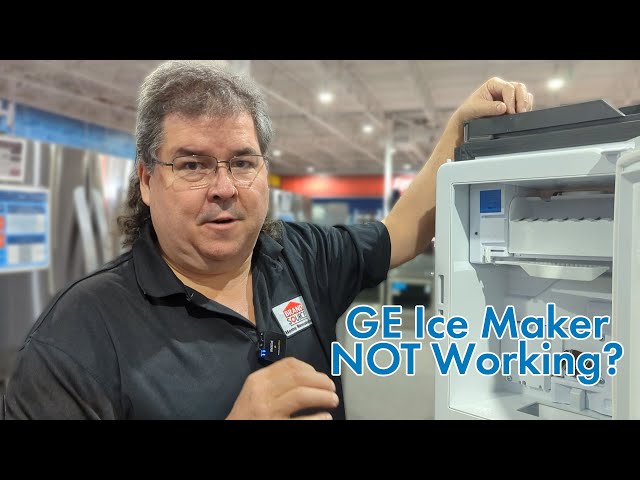
Introduction
Is your GE refrigerator’s ice maker diligently making ice, but refusing to dispense it? This is a frustrating issue that many homeowners face. The ice maker is supposed to provide convenient ice on demand, and when it fails to dispense, it disrupts your daily routine. This guide provides step-by-step troubleshooting methods for those with no technical background. Resolving this quickly prevents unnecessary frustration and ensures you can get back to enjoying easily accessible ice.
Common Causes of GE Refrigerator Ice Maker Does Not Dispense
Here are some of the most common reasons why your GE refrigerator’s ice maker might not be dispensing ice:
- Ice Jam: Ice cubes can freeze together, creating a large clump that blocks the dispenser chute.
- Frozen Dispenser Chute: Moisture can freeze within the dispenser chute, preventing ice from passing through.
- Ice Maker Arm Stuck: The ice maker’s feeler arm might be stuck in the “off” position, halting ice production.
- Defective Dispenser Motor: The motor that powers the ice dispensing mechanism could be faulty.
- Faulty Dispenser Switch: The switch that activates the dispenser when you press the lever could be broken.
- Water Supply Problems: If the ice maker isn’t receiving water, it won’t make ice, and therefore nothing to dispense. This can be due to a frozen or kinked water line.
- Filter Issues: A clogged or improperly installed water filter can restrict water flow to the ice maker.
- Broken Ice Crusher Mechanism: If the dispenser is set to crush ice and the mechanism is broken, it won’t dispense.
- Control Board Malfunction: In rare cases, the refrigerator’s control board might be malfunctioning, preventing the dispenser from working.
Symptoms Checklist
Use this checklist to accurately identify the issue:
- Ice maker is producing ice, but nothing comes out when you press the dispenser lever.
- You hear a motor running when you press the dispenser, but no ice is dispensed.
- No sound at all when you press the dispenser lever.
- Ice clumps are visible in the ice bin.
- The dispenser chute appears to be blocked with ice.
- Water is not dispensing either.
- Error code on the refrigerator’s display related to the ice maker or dispenser.
How to Fix GE Refrigerator Ice Maker Does Not Dispense Step-by-Step Guide
Follow these steps to troubleshoot and fix the problem:
- Unplug the Refrigerator: Before starting any troubleshooting, unplug the refrigerator to avoid electrical shock.
- Check for Ice Jams: Open the freezer door and remove the ice bin. Inspect for large ice clumps blocking the dispenser opening. Break up any clumps with your hands or a plastic utensil.
- Melt Ice Jams with Hair Dryer: If there are ice jams you can’t break, use a hair dryer on a low setting to melt the ice blocking the dispenser chute. Be careful not to melt any plastic parts.
- Check the Ice Maker Arm: Make sure the ice maker’s feeler arm (a wire arm that senses the ice level) is not stuck in the “off” (up) position. Lower it manually if needed.
- Inspect the Dispenser Chute: Look for any obstructions or ice buildup in the dispenser chute. You can use a flexible spatula or plastic tool to gently dislodge any ice.
- Check the Water Filter: Remove and inspect the water filter. If it’s old or clogged, replace it with a new one.
- Inspect the Water Line: Ensure the water line connected to the refrigerator is not kinked or frozen.
- Reset the Refrigerator: Sometimes, a simple reset can resolve the issue. Unplug the refrigerator for 5-10 minutes, then plug it back in.
- Test the Dispenser Switch: If you’re comfortable, you can test the dispenser switch with a multimeter. Look for continuity when the lever is pressed. If there is no continuity, the switch may need replacing. Proceed with caution and only if you have experience with electrical testing.
- Manually Cycle the Ice Maker: Refer to your refrigerator’s user manual for instructions on how to manually cycle the ice maker. This can help dislodge any stuck ice.
- Check Freezer Temperature: Ensure your freezer temperature is set correctly (typically between 0F and 5F or -18C and -15C). If it’s too warm, the ice might melt and refreeze, causing clumps.
- Clean the Ice Bin: Regularly clean the ice bin to prevent ice from sticking together and forming clumps.
Fix the Issue Without Buying Parts
Before considering replacement parts, try these free methods:
- Regular Cleaning: Clean the ice bin and dispenser chute regularly to prevent ice buildup.
- Defrosting: Periodically defrost the freezer to eliminate any accumulated ice.
- Check Settings: Make sure the ice maker is turned on and the temperature settings are correct.
- Water Filter Maintenance: Replace the water filter every 6 months, as recommended.
When Replacement Might Be Necessary
If you’ve tried all the troubleshooting steps and the ice maker still isn’t dispensing, a part replacement might be necessary. Common parts that fail include the dispenser motor, dispenser switch, or the ice maker module. Replacement costs can range from $50 to $200+ for parts, depending on the component and model. Labor costs for professional repair can add another $100 to $300.
Safety Warning
- Always unplug the refrigerator before attempting any repairs.
- Avoid working on electrical components if you are not comfortable or experienced.
- Be careful when using sharp tools or appliances like hair dryers near water.
- Dry any spills immediately to prevent slips and falls.
Tools You May Need
- Screwdrivers (Phillips and flathead)
- Pliers
- Multimeter (optional, for testing electrical components)
- Hair dryer
- Plastic spatula or scraper
- New water filter (if needed)
FAQ
Here are some common questions and answers:
- Q: Why is my ice maker making ice, but not dispensing it?
- A: This is most often due to an ice jam in the dispenser chute. Try melting the ice with a hair dryer or breaking it up manually.
- Q: How often should I replace my water filter?
- A: It’s generally recommended to replace your water filter every 6 months.
- Q: What does it mean if I don’t hear any sound when I try to dispense ice?
- A: This could indicate a problem with the dispenser motor or the dispenser switch. Check the switch for continuity or consider replacing the motor.
- Q: Can I manually reset my ice maker?
- A: Yes, refer to your refrigerator’s user manual for instructions on how to manually cycle the ice maker.
Conclusion
Troubleshooting a GE refrigerator ice maker that isn’t dispensing can seem daunting, but by following these steps, you can often resolve the issue yourself. Start with the simple solutions like checking for ice jams and replacing the water filter. If you’ve exhausted these options and are still experiencing problems, it might be time to consider a professional repair. Remember, a little DIY effort can save you time and money!
Youtube Video:
Looking for more useful options?
Check out recommended resources that others find helpful.