Introduction
Is your Daikin air conditioner blowing cold air when you need heat? Its a common problem and can be really frustrating, especially when the temperature drops. A malfunctioning heater can make your home uncomfortable and potentially lead to higher energy bills as your system struggles to reach the desired temperature. Let’s get your heating back on track!
Common Causes of Daikin Air Conditioner Heater Not Working
Several factors can cause your Daikin AC’s heater to malfunction. Here are some of the most common:
- Incorrect Settings: The thermostat may be set to “cool” or “auto” instead of “heat.”
- Dirty Air Filter: A clogged filter restricts airflow, causing the system to overheat or shut down.
- Tripped Circuit Breaker: An overloaded circuit can trip the breaker, cutting power to the unit.
- Faulty Thermostat: The thermostat may not be accurately reading the room temperature or sending the correct signals.
- Refrigerant Leak: Low refrigerant levels can prevent the system from heating efficiently.
- Dirty Coils: Outdoor condenser coils or indoor evaporator coils covered in dirt reduce heat transfer.
- Frozen Outdoor Unit: In very cold weather, the outdoor unit can freeze, preventing it from working properly.
- Defective Reversing Valve: This valve switches between heating and cooling modes and can fail.
- Blower Motor Issues: If the blower motor isn’t working, the warm air won’t circulate through your home.
Symptoms Checklist
Use this checklist to accurately identify the issue:
- The air conditioner is blowing cold air when set to heat.
- No air is blowing at all.
- The unit turns on and off frequently.
- The thermostat display is blank or shows an error code.
- You hear strange noises coming from the unit.
- The outdoor unit is covered in ice.
How to Fix Daikin Air Conditioner Heater Not Working Step-by-Step Guide
Follow these steps to troubleshoot and potentially fix the issue:
- Check the Thermostat: Make sure the thermostat is set to “heat” and the desired temperature is higher than the current room temperature.
- Inspect the Air Filter: Remove the air filter and check if it’s dirty. If it is, clean or replace it.
- Check the Circuit Breaker: Locate the circuit breaker for your air conditioner and make sure it hasn’t tripped. Reset it if necessary.
- Inspect the Outdoor Unit: Check for any visible signs of damage, ice buildup, or debris around the unit.
- Restart the System: Turn off the air conditioner at the thermostat and then flip the circuit breaker off and on. Wait a few minutes, then turn the thermostat back on.
- Check for Blocked Vents: Ensure that all air vents are open and not blocked by furniture or rugs.
- Listen for Noises: Pay attention to any unusual noises coming from the unit, which could indicate a specific problem.
- Check the Refrigerant Lines: Look for any signs of leakage (oil stains or ice) on the refrigerant lines. (Note: This is for visual inspection only. Do NOT attempt to repair refrigerant lines yourself.)
- Test the Thermostat Batteries: If your thermostat uses batteries, replace them to ensure accurate temperature readings.
- Inspect Condensation Drain: Make sure the condensation drain line is clear and not clogged to prevent water damage and proper functionality.
- Check the Emergency Heat Setting: If your system has an emergency heat setting, try switching to it temporarily to see if it provides heat. This can help determine if the main heating system is faulty.
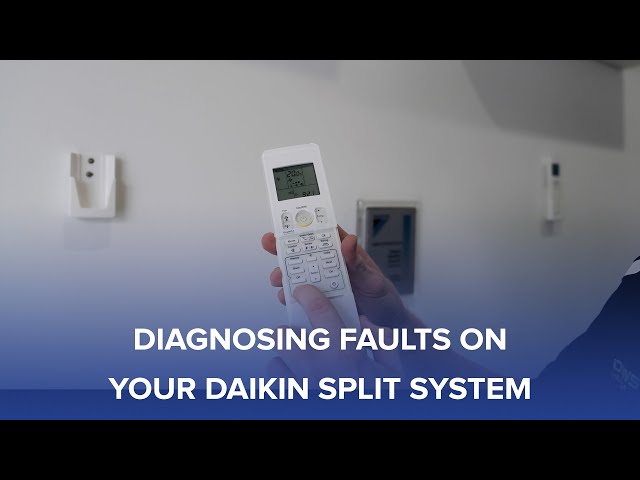
- Note Any Error Codes: If your unit displays an error code, write it down. This code can provide valuable information to a technician.
Fix the Issue Without Buying Parts
Here are some free methods to try:
- Reset: Try resetting the entire system by turning it off at the breaker for 30 minutes.
- Cleaning: Clean the air filter regularly (every 1-3 months) and clear any debris around the outdoor unit.
- Recalibration: Some thermostats can be recalibrated. Consult your thermostat’s manual for instructions.
- Inspection Tips: Visually inspect the unit for any obvious damage or loose connections.
- Maintenance Basics: Regularly check the air filter, clear debris, and ensure proper ventilation around the unit.
When Replacement Might Be Necessary
If you’ve tried all the troubleshooting steps and your Daikin AC heater still isn’t working, replacement of a component or even the entire system might be necessary. Common parts that fail include the reversing valve, blower motor, or heating elements. Refrigerant leaks that are too large to repair economically may also necessitate a system replacement. A new AC unit can range from $3,000 to $7,000 depending on the size and efficiency. Replacing smaller components might cost anywhere from $200 to $1000.
Safety Warning
- Always turn off the power to the unit at the circuit breaker before attempting any troubleshooting.
- Avoid working on the unit if the floor is wet.
- If you are uncomfortable working with electrical components, call a qualified technician.
- Never attempt to repair refrigerant lines yourself. This requires specialized equipment and training.
Tools You May Need
- Screwdrivers (Phillips and flathead)
- Air filter
- Multimeter (for testing electrical components – use with caution and only if you have experience)
- Vacuum cleaner or brush (for cleaning)
- Wrench set
FAQ
Here are some frequently asked questions:
- Q: Why is my AC blowing cold air when set to heat? A: This could be due to a faulty reversing valve, low refrigerant, or incorrect thermostat settings.
- Q: How often should I change my air filter? A: Typically, every 1-3 months, depending on usage and air quality.
- Q: What does it mean when my AC unit is making a loud noise? A: Loud noises can indicate a problem with the blower motor, compressor, or other components. It’s best to have it checked by a professional.
- Q: Can I add refrigerant to my AC unit myself? A: No, adding refrigerant requires specialized equipment and knowledge. It’s best to call a licensed HVAC technician.
- Q: My Daikin AC shows an error code. What should I do? A: Consult your owner’s manual for the meaning of the error code. This can help you identify the problem and determine if you can fix it yourself or need professional assistance.
Conclusion
Troubleshooting your Daikin air conditioner heater can seem daunting, but by following these steps, you can often identify and resolve the issue yourself. Always prioritize safety and remember that a professional HVAC technician can provide expert diagnosis and repair if needed. Don’t hesitate to try these solutions and save yourself the cost of an unnecessary service call!
Youtube Video:
Looking for more useful options?
Check out recommended resources that others find helpful.