
Introduction
That annoying buzzing, whirring, or rattling sound coming from your wine fridge is usually caused by a problem with the fan. The fan is crucial for circulating cool air and maintaining a consistent temperature inside. When it gets noisy, it means the fan isn’t working efficiently, which can lead to uneven cooling, temperature fluctuations, and potentially spoiled wine. Ignoring it for too long could even cause the compressor to overwork and eventually fail. Let’s get that noise sorted out quickly!
💡 Technical Key Takeaways:
- Core Focus: Diagnostic schematic and terminal connection layout for Wine Fridge Fan Noise.
- Target Scope: Field technicians, automotive DIYers, and residential/commercial electricians.
- Safety Rule: Always disconnect the primary power source/battery terminal and verify zero voltage with a multimeter before touching wires.
Common Causes of wine fridge fan noise
Here are some common reasons why your wine fridge fan might be making noise:
- Dust and Debris Buildup: Dust and debris accumulate on the fan blades, causing imbalance and noise.
- Ice Buildup: Ice forms around the fan, restricting its movement and creating a scraping sound.
- Loose Fan Blades: The fan blades may become loose on the motor shaft, leading to rattling.
- Worn Bearings: The fan motor bearings wear out over time, causing friction and a grinding noise.
- Obstruction: Something may be blocking the fan, such as a wire or a misplaced bottle.
- Vibration: The fridge itself might not be level, causing the fan to vibrate against other components.
- Loose Mounting Screws: Screws holding the fan in place may become loose, allowing it to rattle.
- Faulty Fan Motor: The fan motor could be failing, causing unusual noises and eventually complete failure.
Symptoms Checklist
Check if any of these apply to your wine fridge:
- The noise is constant and gets louder over time.
- The noise changes in pitch or intensity.
- The noise stops temporarily when the fridge door is opened.
- The fridge is not cooling as efficiently as it used to.
- You can see visible dust or ice buildup around the fan.
- The fan blades appear wobbly or loose.
How to Fix wine fridge fan noise Step-by-Step Guide
- Unplug the Wine Fridge: Always disconnect the power before working on any appliance.
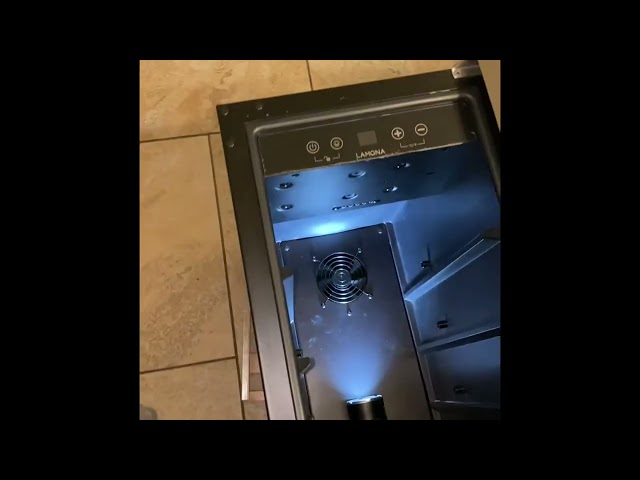
- Locate the Fan: Typically located inside the fridge near the back panel. Consult your owner’s manual if unsure.
- Remove the Back Panel: Use a screwdriver to carefully remove the screws holding the back panel in place.
- Inspect for Obstructions: Look for anything blocking the fan blades, such as wires, ice, or debris. Remove any obstructions carefully.
- Check for Ice Buildup: If ice is present, unplug the fridge and allow it to defrost completely (usually 24 hours).
- Clean the Fan Blades: Use a soft brush or a vacuum cleaner with a brush attachment to remove dust and debris from the fan blades.
- Tighten Loose Screws: Check all screws holding the fan assembly in place. Tighten any that are loose.
- Check Fan Blade Security: Gently try to wiggle each fan blade. If any are loose, try pressing them back onto the motor shaft. They might be press-fit and require firm pressure.
- Level the Wine Fridge: Use a level to ensure the fridge is sitting evenly on the floor. Adjust the leveling feet as needed.
- Reassemble the Back Panel: Carefully replace the back panel and secure it with the screws.
- Plug in the Wine Fridge: Restore power and listen to the fan. If the noise is gone, you’ve solved the problem!
- Monitor Performance: Keep an eye on the fridge’s temperature and listen for any recurring noises.
Fix the Issue Without Buying Parts
Before thinking about replacements, try these free fixes:
- Defrost Cycle: Manually defrosting the fridge is often all it takes to eliminate ice buildup causing the noise.
- Deep Cleaning: A thorough cleaning of the interior and fan area can remove dust and debris contributing to the problem.
- Reseating the Fan: Sometimes simply pushing the fan blades back onto the motor shaft can solve a loose blade issue.
- Check Vibration: Make sure nothing is touching the fridge that could cause vibration, like other appliances or loose items on top.
- Preventative Maintenance: Clean the fan regularly (every 6 months) to prevent future noise issues.
When Replacement Might Be Necessary
If the noise persists after trying the above steps, the fan motor might be failing. Replacement is usually the last resort. A new fan motor typically costs between $20 and $80 USD, depending on the model. Another part that might need replacing (but is less common) is the fan blade itself, if it’s physically damaged. But, again, try all the fixes above before replacing any parts!. For more related activities, check out our Samsung Refrigerator Fan Is Loud.
Safety Warning
- Always unplug the wine fridge before performing any maintenance or repairs.
- Avoid working on the fridge with wet hands or on a wet floor.
- Be careful when handling sharp tools like screwdrivers.
- If you’re uncomfortable performing any of these steps, consult a qualified appliance repair technician.
Tools You May Need
- Screwdriver (Phillips and/or flathead)
- Soft brush or vacuum cleaner with brush attachment
- Level
- Clean cloth
FAQ
Here are some frequently asked questions about wine fridge fan noise:
- Q: Why is my wine fridge fan so loud all of a sudden? A: It’s likely due to dust buildup or ice formation. Try cleaning and defrosting the fridge.
- Q: Can I just ignore the fan noise? A: It’s not recommended. The noise indicates a problem that could lead to more serious issues, like compressor failure.
- Q: How often should I clean my wine fridge fan? A: Ideally, clean it every 6 months to prevent dust buildup.
- Q: Is it difficult to replace the fan motor myself? A: It’s a relatively straightforward repair, but requires basic mechanical skills. If you’re not comfortable, call a technician.
Conclusion
Addressing wine fridge fan noise promptly can prevent further damage and ensure your wine is stored at the optimal temperature. By following these troubleshooting steps, you can often resolve the issue yourself and save money on repair costs. Remember to try the free solutions first! If the problem persists, don’t hesitate to call a qualified technician. Cheers to quiet and perfectly chilled wine!
Youtube Video:
Quick Wiring Specifications & Terminal Guide
| Component / Circuit | Standard Wire Gauge | Recommended Protection |
|---|---|---|
| Control & Trigger Signals | 18 – 20 AWG | 5A – 7.5A Inline Fuse |
| Standard Auxiliary Load | 14 – 16 AWG | 15A – 20A Circuit Breaker |
| Main Power Feed / Supply | 10 – 12 AWG | 30A – 40A Heavy-Duty Relay |
Images References
Looking for more diagnostic guides? Explore our complete Refrigerator Problems 5 section for step-by-step troubleshooting solutions.
