
Introduction
Is your window air conditioner blowing warm air, turning on and off randomly, or not responding to temperature adjustments? These issues often stem from problems with the thermostat. A faulty thermostat can prevent your AC from properly regulating temperature, leading to discomfort and higher energy bills. Addressing thermostat problems promptly can save you money and keep your home cool. This guide helps you diagnose and fix common thermostat issues without calling a professional immediately. Explore more in our Air Conditioner Troubleshooting 6 collection.
💡 Technical Key Takeaways:
- Core Focus: Diagnostic schematic and terminal connection layout for Window Air Conditioner Thermostat Troubleshooting.
- Target Scope: Field technicians, automotive DIYers, and residential/commercial electricians.
- Safety Rule: Always disconnect the primary power source/battery terminal and verify zero voltage with a multimeter before touching wires.
Common Causes of Window Air Conditioner Thermostat Troubleshooting
Here are some frequent reasons why your window AC thermostat might be acting up:
- Dirty Thermostat Sensor: Dust and debris can accumulate on the sensor, interfering with its ability to accurately read the temperature.
- Incorrect Thermostat Setting: Accidentally setting the thermostat to “fan only” or a very high temperature can give the impression of a malfunction.
- Frozen Coils: Ice buildup on the evaporator coils can cause the AC to shut down prematurely, affecting the thermostat’s readings.
- Power Surge: A sudden electrical surge can damage the thermostat’s internal components.
- Loose Wiring: Over time, the wires connecting the thermostat to the AC unit can become loose or corroded, disrupting the signal.
- Faulty Thermistor: The thermistor (temperature sensor) might be defective and providing inaccurate readings.
- Location Issues: If the AC unit is placed in direct sunlight or near a heat source, it can affect the thermostat’s accuracy.
- Old Age: Like any electronic component, thermostats can degrade over time and become less reliable.
- Software Glitch: Some newer models have electronic controls that could experience glitches.
Symptoms Checklist
Use this checklist to help identify if your thermostat is the problem:
- The AC unit turns on and off frequently, even when the room isn’t at the desired temperature.
- The AC blows warm air, even when set to cool.
- The AC runs constantly and never shuts off.
- The thermostat display is blank or shows incorrect temperature readings.
- The AC doesn’t respond to temperature adjustments on the thermostat.
- The AC shuts off shortly after being turned on.
How to Fix Window Air Conditioner Thermostat Troubleshooting Step-by-Step Guide
Follow these steps to troubleshoot and fix your window AC thermostat:
- Unplug the AC Unit: Always disconnect the AC unit from the power outlet before starting any troubleshooting or repair work.
- Check the Thermostat Setting: Make sure the thermostat is set to “cool” mode and the desired temperature is lower than the current room temperature.
- Clean the Thermostat: Gently clean the thermostat sensor with a soft brush or cotton swab to remove any dust or debris.
- Inspect the Air Filter: A dirty air filter can cause the evaporator coils to freeze. Replace the air filter if it’s dirty.
- Check for Ice Buildup: If you see ice on the coils, turn off the AC and let it thaw completely before restarting.
- Inspect the Wiring: Check the wiring connections to the thermostat to ensure they are secure and not corroded.
- Reset the AC Unit: Some AC units have a reset button. Press it to reset the thermostat and other electronic components. If there is no button, unplug the unit for 15 minutes, then plug back in.
- Check the Location: Ensure the AC unit isn’t in direct sunlight or near any heat sources that could affect the thermostat’s readings.
- Check the Drain: Make sure the water from condensation drains correctly. A full drain can cause malfunctions.
- Test the Thermistor (Advanced): If you have a multimeter, you can test the thermistor’s resistance. A reading outside the normal range indicates a faulty thermistor. Consult the AC unit’s manual for the correct resistance values.
- Check the Fan: Ensure the fan inside the unit is spinning freely. If the fan is not working, it can cause temperature imbalances.
Fix the Issue Without Buying Parts
Here are some free methods that often resolve thermostat issues:
- Reset the AC: Unplug the unit for 15 minutes, then plug it back in. This can often resolve software glitches.
- Clean the Thermostat Sensor: Dust and debris can interfere with accurate temperature readings.
- Recalibrate the Thermostat (If Applicable): Some thermostats have a calibration setting that can be adjusted. Refer to the user manual.
- Inspect Airflow: Make sure nothing is blocking the airflow around the AC unit.
- Basic Maintenance: Regularly clean the air filter and ensure proper ventilation around the unit.
When Replacement Might Be Necessary
If you’ve tried all the troubleshooting steps and the thermostat still isn’t working, replacement might be necessary. Thermostat replacement costs typically range from $50 to $150, depending on the model and features. Commonly failing parts include the thermistor, control board, and wiring harnesses.
Safety Warning
- Always unplug the air conditioner before performing any maintenance or repairs.
- Avoid working on electrical components with wet hands or on a wet floor.
- If you are not comfortable working with electrical wiring, consult a qualified technician.
- Be careful when handling sharp objects or tools.
Tools You May Need
- Screwdriver (Phillips and flathead)
- Soft brush or cotton swabs
- Multimeter (optional, for testing the thermistor)
- Pliers
- Flashlight
FAQ
Here are some frequently asked questions about window AC thermostat troubleshooting:
- Q: Why is my AC blowing warm air even when the thermostat is set to cool? A: Check the thermostat setting, clean the air filter, and ensure the coils aren’t frozen.
- Q: My AC turns on and off frequently. What could be the problem? A: This could be due to a dirty thermostat sensor, frozen coils, or a faulty thermistor.
- Q: How do I clean the thermostat sensor? A: Gently clean the sensor with a soft brush or cotton swab.
- Q: Can I replace the thermostat myself? A: Yes, if you are comfortable working with electrical wiring. Otherwise, consult a qualified technician.
- Q: What if my AC has no thermostat? A: Some models regulate temperature with simple electronic controls or knobs. Check the owner’s manual for specific troubleshooting tips.
Conclusion
Troubleshooting your window air conditioner thermostat can often be done without professional help. By following these steps, you can diagnose and fix common issues, saving you time and money. If you’ve exhausted all troubleshooting options and are still experiencing problems, it’s best to consult a qualified technician.
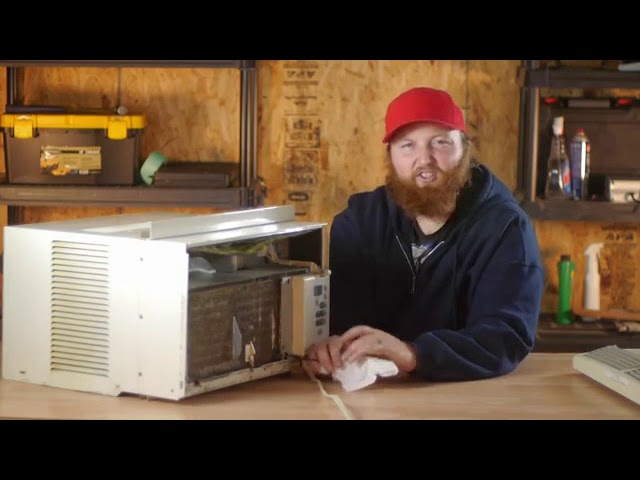
Youtube Video:
Quick Wiring Specifications & Terminal Guide
| Component / Circuit | Standard Wire Gauge | Recommended Protection |
|---|---|---|
| Control & Trigger Signals | 18 – 20 AWG | 5A – 7.5A Inline Fuse |
| Standard Auxiliary Load | 14 – 16 AWG | 15A – 20A Circuit Breaker |
| Main Power Feed / Supply | 10 – 12 AWG | 30A – 40A Heavy-Duty Relay |
