Introduction
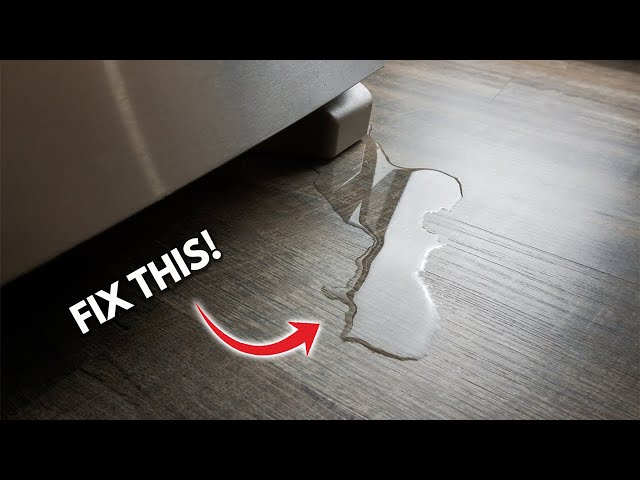
A deep freezer leaking water onto your floor can be a frustrating and potentially damaging problem. Not only does it create a slippery hazard, but it can also indicate a more serious issue with your appliance. This often happens after defrosting the freezer or when the door isn’t sealing properly. Addressing the leak quickly is important to prevent water damage to your flooring and potential food spoilage due to temperature fluctuations inside the freezer. Explore more in our Refrigerator Problems 2 collection.
💡 Technical Key Takeaways:
- Core Focus: Diagnostic schematic and terminal connection layout for Deep Freezer Leaking Water On Floor.
- Target Scope: Field technicians, automotive DIYers, and residential/commercial electricians.
- Safety Rule: Always disconnect the primary power source/battery terminal and verify zero voltage with a multimeter before touching wires.
Common Causes of Deep Freezer Leaking Water on Floor
Here are some of the most common reasons why your deep freezer might be leaking:
- Defrost Drain Clogged: Ice and debris can block the drain, causing water to overflow.
- Door Seal Problems: A damaged or dirty door seal lets warm air in, leading to excessive condensation and leaks.
- Overfilling the Freezer: Blocking the vents with too much food can disrupt airflow and cause ice buildup.
- Incorrect Temperature Setting: Setting the temperature too low can lead to excessive ice formation and melting.
- Power Outage: During a power outage, ice thaws and the resulting water can leak.
- Damaged Freezer Liner: Cracks or holes in the inner lining of the freezer can allow water to escape.
- Condensation: High humidity in the room can cause condensation on the outside of the freezer, especially on older models.
- Freezer Not Level: If the freezer isn’t level, melted ice water might not drain properly.
Symptoms Checklist
Confirming the source of the leak will help you troubleshoot the problem efficiently. Check for these symptoms:
- Puddles of water accumulating on the floor in front of the freezer.
- Visible ice buildup inside the freezer, especially around the drain.
- A musty or moldy odor coming from the freezer.
- Difficulty closing the freezer door tightly.
- Warm air escaping from the freezer when the door is closed.
- Unusual sounds like dripping or running water.
How to Fix Deep Freezer Leaking Water on Floor Step-by-Step Guide
Follow these steps to troubleshoot and fix your leaky deep freezer:
- Unplug the Freezer: Before starting any troubleshooting, disconnect the freezer from the power outlet.
- Empty the Freezer: Remove all food items and store them in a cooler or another freezer.
- Locate the Defrost Drain: The defrost drain is usually located on the inside floor of the freezer, near the back wall.
- Check for Blockages: Use a long, flexible object like a pipe cleaner, or turkey baster to clear the drain of any ice or debris. You can also use warm water.
- Flush the Drain: Pour a cup of warm (not boiling) water down the drain to further melt any remaining ice.
- Inspect the Door Seal: Examine the rubber seal around the freezer door for cracks, tears, or dirt.
- Clean the Door Seal: Wipe the seal with a damp cloth and mild detergent to remove any dirt or grime.
- Test the Door Seal: Close the door and check for any gaps. You can use a piece of paper to test the seal; it should be held firmly when the door is closed.
- Level the Freezer: Use a level to ensure the freezer is sitting evenly on the floor. Adjust the legs as needed.
- Adjust Temperature Settings: Ensure the temperature is set appropriately (usually around 0F or -18C). Avoid setting it too low.
- Defrost the Freezer (If Needed): If there’s significant ice buildup, manually defrost the freezer by leaving the door open (with a towel underneath to catch water) until all ice has melted.
- Check for Overfilling: Make sure the freezer is not overfilled and that items are not blocking the air vents.
- Plug the Freezer Back In: Once you’ve completed the above steps, plug the freezer back into the power outlet.
- Monitor for Leaks: Observe the freezer for the next 24-48 hours to see if the leak has stopped.
Fix the Issue Without Buying Parts
Before considering replacing any parts, try these free methods:
- Reset: Unplug the freezer for 30 minutes and plug it back in. This can sometimes reset the system and resolve minor issues.
- Cleaning: Regularly clean the inside of the freezer and the door seal to prevent buildup of ice and grime.
- Recalibration (If Possible): Some freezers have a calibration feature in the settings. Check your user manual for instructions.
- Inspection: Regularly inspect the freezer for any signs of damage or wear, such as cracks in the liner or loose seals.
- Maintenance: Follow the manufacturer’s recommendations for maintenance, such as defrosting and cleaning.
When Replacement Might Be Necessary
If you’ve tried all the troubleshooting steps and the freezer is still leaking, replacement might be necessary. Parts that commonly fail include the door seal (around $20-$50 USD) and the freezer liner (which is often not repairable and would necessitate a new freezer). A new deep freezer can range from $200 to $800 USD depending on size and features.
Safety Warning
- Always unplug the freezer before attempting any repairs or cleaning.
- Avoid standing in water while working with electrical appliances.
- Be careful when handling ice; it can be slippery.
- Wear gloves when cleaning the freezer to protect your hands.
- Do not use sharp objects to remove ice, as this could damage the freezer liner.
Tools You May Need
- Screwdriver (Phillips and flathead)
- Adjustable wrench
- Pipe cleaner or flexible wire
- Warm water
- Towels
- Mild detergent
- Level
FAQ
Here are some frequently asked questions about deep freezer leaks:
- Q: Why is my freezer leaking after I defrosted it? A: The defrost drain might be clogged with ice. Try flushing it with warm water.
- Q: How often should I defrost my deep freezer? A: Ideally, defrost it when the ice buildup is about 1/4 inch thick.
- Q: Can a damaged door seal cause a leak? A: Yes, a damaged door seal allows warm air in, which leads to condensation and leaks.
- Q: What if the defrost drain is completely frozen solid? A: You can try using a hairdryer on low setting to gently thaw the ice, but be careful not to overheat any plastic parts.
- Q: Is it safe to use a deep freezer that’s leaking water? A: It’s not ideal, as the leak indicates a problem and can create a safety hazard. Try to fix the issue as soon as possible.
Conclusion
Troubleshooting a leaky deep freezer can seem daunting, but with a little patience and this guide, you can often resolve the issue yourself. Remember to prioritize safety and work methodically through the steps. If you’ve exhausted all the troubleshooting options and the leak persists, it might be time to consult with a qualified appliance technician. However, with a bit of DIY effort, you may be able to save yourself a service call and keep your freezer running smoothly!. Discover more free resources across our collection library.
Quick Wiring Specifications & Terminal Guide
| Component / Circuit | Standard Wire Gauge | Recommended Protection |
|---|---|---|
| Control & Trigger Signals | 18 – 20 AWG | 5A – 7.5A Inline Fuse |
| Standard Auxiliary Load | 14 – 16 AWG | 15A – 20A Circuit Breaker |
| Main Power Feed / Supply | 10 – 12 AWG | 30A – 40A Heavy-Duty Relay |
Images References