
Introduction
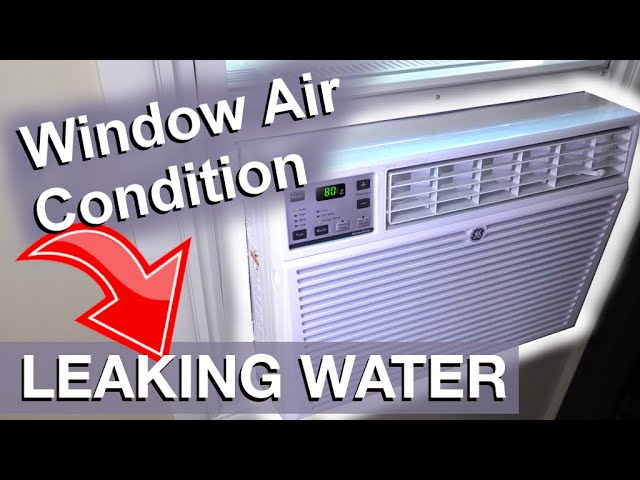
Is your window air conditioner suddenly throwing water inside or outside your home? This is a common problem that can be quite frustrating. Not only can it damage your walls and floors, but it also indicates that something isn’t working quite right inside your AC unit. Ignoring this issue can lead to more significant problems, including reduced cooling efficiency and even damage to the unit itself. This guide will help you understand why your window AC is throwing water and provide you with step-by-step instructions to fix it. Addressing the issue promptly can save you money on repairs and ensure your AC continues to cool your home effectively. Explore more in our Air Conditioner Troubleshooting 6 collection.
💡 Technical Key Takeaways:
- Core Focus: Diagnostic schematic and terminal connection layout for Window Ac Throwing Water.
- Target Scope: Field technicians, automotive DIYers, and residential/commercial electricians.
- Safety Rule: Always disconnect the primary power source/battery terminal and verify zero voltage with a multimeter before touching wires.
Common Causes of Window AC Throwing Water
Here are some of the most common reasons why your window AC might be throwing water:
- Clogged Drain Hole: This is the most frequent cause. Dust, dirt, and debris can block the drain hole, preventing water from escaping properly.
- Improper Installation Angle: Window AC units should be slightly tilted downwards towards the outside to facilitate drainage. If it’s tilted inward, water will accumulate and spill.
- Dirty Air Filter: A clogged air filter restricts airflow, causing the cooling coil to freeze. When the ice melts, it can overwhelm the drainage system.
- Damaged Drain Pan: The drain pan collects condensation. If it’s cracked or damaged, water can leak out.
- Freezing Coils: In addition to dirty filters, low refrigerant levels or a malfunctioning thermostat can cause the coils to freeze and then drip excessively as they thaw.
- High Humidity: In extremely humid conditions, even a properly functioning AC can produce more condensation than it can handle.
- Loose Seals: Poor seals around the window and AC unit allows outside air to enter, leading to excessive condensation.
Symptoms Checklist
Confirm the issue and pinpoint the cause by checking these indicators:
- Water dripping inside the room.
- Water leaking excessively outside the window.
- Visible ice formation on the cooling coils.
- Musty or moldy odor coming from the AC unit.
- The AC unit is not cooling as efficiently as before.
- Loud or unusual noises from the AC unit.
How to Fix Window AC Throwing Water Step-by-Step Guide
Follow these steps to troubleshoot and fix the problem:
- Unplug the AC Unit: Before you start any troubleshooting, always unplug the unit from the power outlet for safety.
- Inspect the Installation: Ensure the AC unit is tilted slightly downwards towards the outside. Use a level to check. Adjust as needed.
- Clean the Air Filter: Remove the air filter and clean it with warm, soapy water. Let it dry completely before reinstalling.
- Locate the Drain Hole: The drain hole is usually located at the back of the unit, either inside or outside. Refer to your AC’s manual if you’re unsure.
- Clear the Drain Hole: Use a straightened paper clip, pipe cleaner, or small wire to gently clear any blockages in the drain hole.
- Flush the Drain Pan: Carefully pour a cup of water into the drain pan to check if it drains properly. If it doesn’t, there’s still a blockage.
- Check for Ice Formation: If you see ice on the cooling coils, let the unit thaw completely before proceeding. You can speed this up by pointing a fan at the coils.
- Inspect the Drain Pan: Look for any cracks or damage to the drain pan. If it’s damaged, it may need to be replaced (though try sealing it as a temporary fix first).
- Check the Seals: Make sure the seals around the window and the AC unit are tight. Apply weather stripping or sealant to any gaps.
- Clean the Coils: Use a vacuum cleaner with a brush attachment to gently remove dust and debris from the cooling coils.
- Reassemble and Test: Once you’ve completed these steps, reassemble the unit and plug it back in. Monitor it for a few hours to see if the problem is resolved.
- Run the AC on Fan Only: If you suspect freezing coils, run the AC on “Fan Only” mode for a while to help thaw any remaining ice.
Fix the Issue Without Buying Parts
Many times, you can resolve the issue without spending any money:
- Reset the AC: Unplug the unit for at least 15 minutes to reset its internal components.
- Thorough Cleaning: Regularly clean the air filter and coils to prevent future blockages.
- Recalibration: Some AC units have a calibration mode that can help optimize performance. Consult your owner’s manual.
- Regular Inspections: Check the drain hole and drain pan periodically for any signs of blockage or damage.
- Maintain Proper Tilt: Ensure the AC unit remains properly tilted downwards.
When Replacement Might Be Necessary
If you’ve tried all the troubleshooting steps and the AC is still throwing water, the drain pan is severely cracked, or the coils are persistently freezing, replacement might be necessary. Replacing a window AC unit typically costs between $150 and $500, depending on the size and features. Commonly failing parts that could lead to replacement include the compressor, fan motor, or a severely corroded cooling coil.
Safety Warning
- Always unplug the AC unit before performing any maintenance or repairs.
- Avoid working on the AC unit while standing on wet floors to prevent electric shock.
- Be careful when handling sharp objects like paper clips or wires to avoid injury.
- Do not attempt to repair the refrigerant system yourself. This requires specialized tools and knowledge.
Tools You May Need
- Screwdriver
- Paper clip or pipe cleaner
- Vacuum cleaner with brush attachment
- Warm, soapy water
- Clean cloths
- Level
- Weather stripping or sealant (if needed)
FAQ
Here are some frequently asked questions about window AC units throwing water:
-
Q: Why is my AC leaking even after I cleaned the filter?
A: The drain hole might still be clogged, or the unit might not be tilted properly. Check both of these. -
Q: How often should I clean my AC’s air filter?
A: Ideally, you should clean it every 2-4 weeks, depending on how often you use the AC. -
Q: Is it normal for my AC to drip a little bit of water outside?
A: Yes, a small amount of dripping is normal as it’s part of the condensation process. Excessive dripping indicates a problem. -
Q: Can I use a hose to clean the AC coils?
A: No, using a hose can damage the coils and electrical components. A vacuum cleaner with a brush attachment is the best option.
Conclusion
Dealing with a window AC throwing water can be a hassle, but by following these troubleshooting steps, you can often resolve the issue yourself. Remember to prioritize safety and take your time. If you’ve tried everything and the problem persists, it might be time to call a qualified technician. But, hopefully, you’ve managed to save yourself some money and keep your cool without needing to call for help!
Youtube Video:
Quick Wiring Specifications & Terminal Guide
| Component / Circuit | Standard Wire Gauge | Recommended Protection |
|---|---|---|
| Control & Trigger Signals | 18 – 20 AWG | 5A – 7.5A Inline Fuse |
| Standard Auxiliary Load | 14 – 16 AWG | 15A – 20A Circuit Breaker |
| Main Power Feed / Supply | 10 – 12 AWG | 30A – 40A Heavy-Duty Relay |
