
Introduction
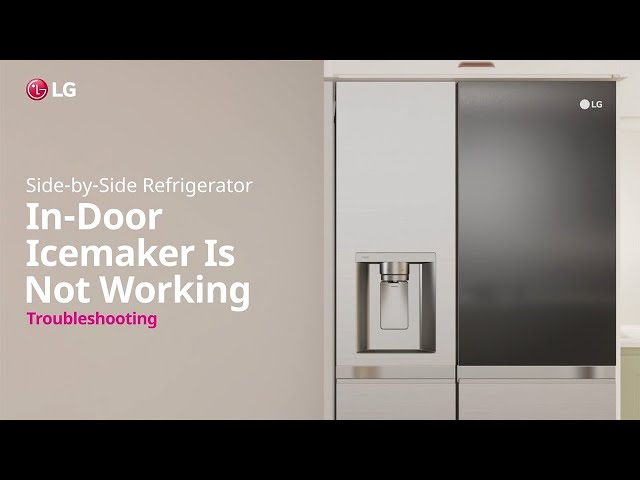
Finding your LG refrigerator’s ice maker isn’t producing ice can be frustrating, especially on a hot day! A non-functioning ice maker can disrupt your daily routine, making it inconvenient to chill drinks or prepare meals. The good news is, many ice maker problems are simple to fix yourself, without needing expensive repairs or part replacements. This guide will walk you through common causes and troubleshooting steps to get your ice maker back up and running quickly. Explore more in our Refrigerator Problems 4 collection.
💡 Technical Key Takeaways:
- Core Focus: Diagnostic schematic and terminal connection layout for Lg Indoor Ice Maker Not Working.
- Target Scope: Field technicians, automotive DIYers, and residential/commercial electricians.
- Safety Rule: Always disconnect the primary power source/battery terminal and verify zero voltage with a multimeter before touching wires.
Common Causes of lg indoor ice maker not working
There are several reasons why your LG indoor ice maker might stop working. Here are some of the most frequent culprits:. For more related activities, check out our Lg Refrigerator Water And Ice Dispenser Not Working.
- Ice Build-Up: Ice can accumulate in the ice maker, blocking the mechanism and preventing ice from being made.
- Frozen Water Line: A frozen water supply line restricts water flow to the ice maker, halting ice production.
- Water Filter Issues: A clogged or incorrectly installed water filter can reduce water pressure, impacting ice maker performance.
- Low Freezer Temperature: If the freezer isn’t cold enough, the ice maker won’t function properly.
- Ice Maker Arm Position: If the ice maker’s feeler arm is in the “off” position, it will prevent ice production.
- Water Inlet Valve Problems: A faulty water inlet valve may not allow water to flow into the ice maker.
- Control Board Malfunction: While less common, a malfunctioning control board can disrupt the ice maker’s operation.
- Power Outage/Surge: Power fluctuations can sometimes reset or damage the ice maker’s components.
Symptoms Checklist
Use this checklist to help pinpoint the problem:
- No ice is being produced at all.
- Ice is produced very slowly.
- Ice cubes are small or misshapen.
- The ice maker is making clicking or grinding noises.
- Water is leaking from the ice maker area.
- The ice bin is empty despite the ice maker being “on.”
- The water dispenser is also not working.
How to Fix lg indoor ice maker not working Step-by-Step Guide
Follow these steps to troubleshoot your LG ice maker:
- Check the Freezer Temperature: Ensure your freezer is set to 0F (-18C). A warmer temperature can prevent ice from forming correctly.
- Inspect the Ice Maker Arm: Make sure the ice maker’s feeler arm (a wire or plastic arm) is in the “down” position. If it’s raised, the ice maker is turned off.
- Listen for Sounds: Listen closely to the ice maker. If you hear a humming or grinding sound but no ice is produced, there may be an ice blockage.
- Check for Ice Build-Up: Open the ice maker compartment and inspect for ice accumulation. If present, manually defrost the ice maker (see instructions below).
- Defrost the Ice Maker: Turn off the ice maker and allow the ice to melt. You can use a hairdryer on a low setting to speed up the process, but avoid direct heat and melting any plastic parts. Alternatively, unplug the refrigerator for a few hours.
- Check the Water Filter: Locate the water filter (usually inside the refrigerator or at the back). Remove and inspect it. If it’s clogged, replace it. Even if it looks clean, try temporarily removing the filter to see if that improves water flow.
- Check the Water Supply Line: Locate the water supply line connected to the back of your refrigerator. Ensure it’s not kinked or blocked.
- Test the Water Pressure: If you have low water pressure in your home, it can affect ice maker performance. Test the water pressure to your refrigerator by dispensing water into a measuring cup for a set period (e.g., 10 seconds). Compare the amount of water dispensed to your refrigerator’s manual specifications.
- Check the Water Inlet Valve: The water inlet valve is usually located behind the refrigerator. While it’s more involved, you can try listening for a clicking sound when the ice maker calls for water. No click suggests a potential valve issue. (This requires some electrical knowledge; if unsure, skip to the next step).
- Reset the Ice Maker: Some LG refrigerators have a reset button on the ice maker. Consult your owner’s manual for the location and procedure. Otherwise, unplug the refrigerator for 5-10 minutes to reset the system.
- Clean the Ice Bin: Regularly clean the ice bin to prevent bacterial growth and stale-tasting ice.
- Ensure Proper Airflow: Make sure the vents inside the freezer are not blocked by food items, as this can restrict airflow and affect ice maker performance.
Fix the Issue Without Buying Parts
Before considering replacement parts, try these free methods:
- Manual Defrost: Regularly defrost the ice maker to prevent ice build-up.
- Cleaning: Clean the ice bin and surrounding areas to maintain hygiene and optimal performance.
- Reset: Unplugging the refrigerator for a short period can often reset the ice maker’s system.
- Inspection: Visually inspect water lines, filter housing, and the ice maker itself for any obvious damage or obstructions.
- Maintenance: Replace the water filter every 6 months, or as recommended by the manufacturer.
When Replacement Might Be Necessary
If you’ve exhausted all troubleshooting steps and the ice maker still isn’t working, a faulty water inlet valve or control board could be the issue. Replacing these parts can range from $50 to $200 USD, depending on the specific part and your refrigerator model. However, before replacing any parts, it’s advisable to consult a qualified appliance repair technician for diagnosis, or refer to your refrigerator’s warranty. Discover more free resources across our collection library.
Safety Warning
- Always unplug the refrigerator before attempting any repairs or inspections.
- Avoid touching electrical components with wet hands.
- Be careful when using a hairdryer to defrost ice, as excessive heat can damage plastic parts.
- If you’re uncomfortable with any of the steps, consult a qualified appliance repair technician.
- Avoid using sharp objects to remove ice, as this could damage the ice maker.
Tools You May Need
- Screwdriver (Phillips and flathead)
- Pliers
- Towel or cloth
- Hair dryer (optional)
- Measuring cup
- Water filter wrench (if applicable)
FAQ
-
Q: My ice maker makes ice, but it’s small and hollow. What’s wrong?
A: This is usually a sign of low water pressure. Check your water filter and supply line.
-
Q: How often should I replace the water filter?
A: Most manufacturers recommend replacing the water filter every six months.
-
Q: My ice maker is leaking water. What should I do?
A: Check the water lines and connections for leaks. Make sure the ice bin is properly seated.
-
Q: How do I manually defrost my ice maker?
A: Turn off the ice maker and allow the ice to melt. You can use a hairdryer on a low setting or unplug the refrigerator for a few hours.
Conclusion
Troubleshooting your LG ice maker can seem daunting, but with a systematic approach, you can often resolve the issue yourself. By following these steps, you’ll have a good chance of getting your ice maker back in working order. However, if you’ve tried all the troubleshooting tips and your ice maker still isn’t producing ice, it may be time to call a qualified appliance repair technician. Attempting these fixes can save you the cost of a service call, so don’t be afraid to give it a try!
Youtube Video:
Quick Wiring Specifications & Terminal Guide
| Component / Circuit | Standard Wire Gauge | Recommended Protection |
|---|---|---|
| Control & Trigger Signals | 18 – 20 AWG | 5A – 7.5A Inline Fuse |
| Standard Auxiliary Load | 14 – 16 AWG | 15A – 20A Circuit Breaker |
| Main Power Feed / Supply | 10 – 12 AWG | 30A – 40A Heavy-Duty Relay |
