
Introduction
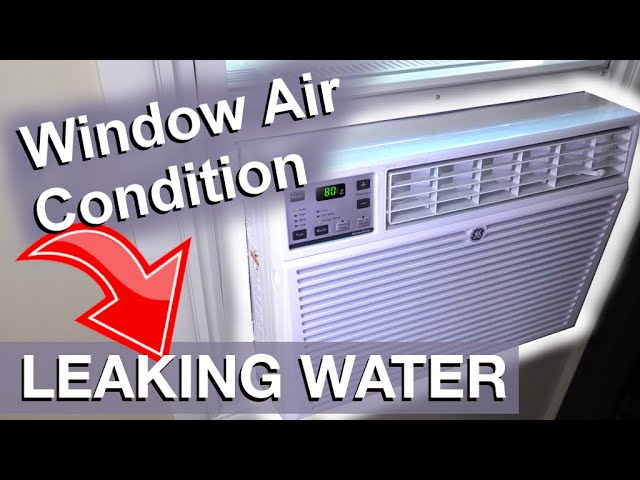
Finding water leaking from your window air conditioner inside your home can be frustrating and concerning. It’s a common problem, especially during periods of high humidity, and ignoring it can lead to water damage to your walls, floors, and furniture, as well as potential mold growth. Addressing the leak promptly is crucial to prevent further problems and ensure your AC unit continues to function correctly.
💡 Technical Key Takeaways:
- Core Focus: Diagnostic schematic and terminal connection layout for Window Ac Leaking Water Inside.
- Target Scope: Field technicians, automotive DIYers, and residential/commercial electricians.
- Safety Rule: Always disconnect the primary power source/battery terminal and verify zero voltage with a multimeter before touching wires.
Common Causes of window ac leaking water inside
Several factors can cause your window AC to leak water inside:
- Clogged Drain Hole: This is the most common culprit. The drain hole allows condensation to escape outside. If it’s blocked, water backs up and leaks indoors.
- Dirty Air Filter: A dirty filter restricts airflow, causing the evaporator coil to freeze. When the ice melts, it overwhelms the drain pan.
- Improper Installation: If the AC isn’t tilted slightly outwards, water can’t drain properly.
- Bent or Damaged Drain Pan: A cracked or warped drain pan cant hold the condensation, leading to leaks.
- High Humidity: Excessively humid conditions can produce more condensation than the AC is designed to handle.
- Frozen Evaporator Coils: As mentioned before, can be due to dirty filters, or low refrigerant (less common in window units, but possible).
- Damaged Seals: Damaged seals around the unit can allow outside water to enter, especially during rain.
- Incorrect Angle: The unit should be slightly angled towards the outside to facilitate proper drainage. If it’s level or tilted inwards, water will leak inside.
Symptoms Checklist
Confirm if your problem is a leaking AC unit by checking these symptoms:
- Visible water dripping from the front, sides, or bottom of the AC unit inside your home.
- Water stains on the wall beneath the AC unit.
- Dampness or water accumulation on the floor near the AC unit.
- Musty odor coming from the AC unit or the surrounding area.
- Ice forming on the cooling fins inside the unit (while running).
- Unusual noises, such as gurgling or sloshing, coming from the AC unit.
How to Fix window ac leaking water inside Step-by-Step Guide
Follow these steps to troubleshoot and fix the leak:
- Safety First: Unplug the AC unit from the electrical outlet before starting any repairs.
- Inspect the Tilt: Ensure the AC unit is slightly tilted downwards towards the outside. Use a level to check. Adjust as needed.
- Clean the Air Filter: Remove the air filter and wash it with mild soap and water. Let it dry completely before reinstalling.
- Locate the Drain Hole: Find the drain hole, usually located at the back of the unit on the outside.
- Clear the Drain Hole: Use a straightened paper clip, pipe cleaner, or small wire to gently clear any debris blocking the drain hole.
- Flush the Drain Pan: Use a small amount of water (a cup or two) to flush out any remaining debris in the drain pan.
- Check the Drain Pan: Visually inspect the drain pan for cracks or damage. If you find any, consider patching it with waterproof sealant.
- Clean the Coils: Use a vacuum cleaner with a brush attachment to gently remove dust and debris from the evaporator coils (the fins inside the unit). Be careful not to bend the fins.
- Run the AC: Plug the AC unit back in and turn it on. Monitor it for any leaks.
- Observe for Freezing: Check if the coils are freezing up. If they are, turn off the AC and let the ice melt completely before proceeding to the next steps.
- Inspect Seals: Check the seals around the window and the AC unit for any gaps. Seal any gaps with weather stripping or caulk.
- Re-Check Drain Hole: Run the AC unit for 30 minutes and check the outside drain hole to make sure the water is draining properly.
Fix the Issue Without Buying Parts
Many leaks can be resolved without purchasing replacement parts:
- Reset: Simply unplug the AC unit for 15-20 minutes, then plug it back in. This can sometimes reset internal sensors and resolve minor issues.
- Cleaning: Regular cleaning of the air filter and coils is crucial. Aim to clean the filter every 2-4 weeks, and the coils at least twice a year.
- Inspection Tips: Regularly inspect the unit for proper tilt, debris accumulation, and any signs of damage.
- Maintenance Basics: Ensure the AC unit is properly supported and stable in the window frame to prevent stress on the drain pan and seals.
When Replacement Might Be Necessary
If the above steps don’t solve the leaking issue, and you observe any of the following, replacement might be necessary:. For more related activities, check out our Water Blowing Out Of Air Conditioner.
- Severely Damaged Drain Pan: If the drain pan is extensively cracked or warped, and cannot be adequately repaired with sealant.
- Internal Corrosion: Significant rust or corrosion within the unit can compromise its functionality and lead to leaks.
- Coil Damage: If coils are excessively damaged and obstruct airflow or refrigerant flow.
The cost of a new window AC unit ranges from $150 to $500 USD, depending on size and features.
Safety Warning
- Always unplug the AC unit before performing any maintenance or repairs.
- Avoid contact with water while the AC unit is plugged in.
- Be careful when working with sharp tools or cleaning chemicals.
- Ensure the AC unit is properly supported and stable in the window frame to prevent it from falling.
- Clean up any spills or leaks immediately to prevent slips and falls.
Tools You May Need
- Screwdriver (Phillips head)
- Paper clip or pipe cleaner
- Vacuum cleaner with brush attachment
- Level
- Mild soap and water
- Waterproof sealant (optional)
- Weather stripping or caulk (optional)
FAQ
Here are some frequently asked questions:
-
Q: Why is my AC leaking even after I cleaned the drain hole?
A: There might be another blockage further up the drain line, or the drain pan itself might be cracked. -
Q: How often should I clean my AC filter?
A: Every 2-4 weeks, depending on usage and dust levels. -
Q: Can I use bleach to clean the AC unit?
A: No, avoid using harsh chemicals like bleach, as they can damage the unit. Use mild soap and water. -
Q: What if the coils are still freezing up after cleaning the filter?
A: The unit might be low on refrigerant (unlikely, but possible), or there could be another airflow restriction. Consider calling a technician.
Conclusion
Dealing with a leaking window AC can be a hassle, but with these troubleshooting steps, you can often resolve the issue yourself. Remember to prioritize safety and take your time. If you’ve tried everything and the leak persists, it might be time to call a qualified technician. Don’t be discouragedmany AC issues are easily fixable, so get started with the troubleshooting process before thinking about replacing the unit.
Youtube Video:
Quick Wiring Specifications & Terminal Guide
| Component / Circuit | Standard Wire Gauge | Recommended Protection |
|---|---|---|
| Control & Trigger Signals | 18 – 20 AWG | 5A – 7.5A Inline Fuse |
| Standard Auxiliary Load | 14 – 16 AWG | 15A – 20A Circuit Breaker |
| Main Power Feed / Supply | 10 – 12 AWG | 30A – 40A Heavy-Duty Relay |
Images References
Looking for more diagnostic guides? Explore our complete Air Conditioner Troubleshooting 6 section for step-by-step troubleshooting solutions.
