Introduction
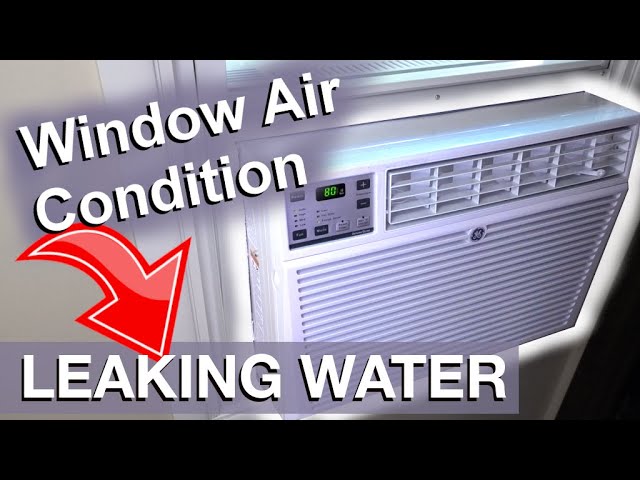
Finding your window AC unit leaking water inside your home can be frustrating and even a little alarming. It’s a common problem, especially during hot and humid weather when your AC is working overtime. Not only can it damage your floors and walls, but the excess moisture can also encourage mold growth. Addressing this issue quickly is important to protect your home and maintain a healthy living environment. Don’t worry, many causes are easy to fix yourself!
Common Causes of Window AC Leaking Water in Home
Here are some of the most frequent reasons why your window AC might be leaking:
- Clogged Drain Hole: This is the most common culprit. Condensation needs to drain out, and a blockage prevents it.
- Dirty Air Filter: A dirty filter restricts airflow, causing the evaporator coil to freeze and then melt, overflowing the drain pan.
- Incorrect Installation Angle: Window ACs should be slightly tilted outwards. If they are level or tilted inwards, water will leak inside.
- Cracked or Damaged Drain Pan: The drain pan collects condensation. If it’s cracked, water will leak out.
- Frozen Evaporator Coil: Restricted airflow (often from a dirty filter) can lead to ice buildup on the coil, which then melts and overflows.
- High Humidity: Extremely humid conditions can overload the AC unit’s ability to drain water effectively.
- Damaged or Disconnected Drain Tube: (If applicable) Some units have a drain tube. Check if it’s connected and not damaged.
- Debris in the AC Unit: Leaves, dirt, and other debris can clog the drainage system.
Symptoms Checklist
Confirm if the leaking issue matches these indicators:
- Water dripping from the front of the AC unit inside your home.
- Water pooling on the floor or windowsill beneath the AC unit.
- The AC unit is running, but the room isn’t cooling as well as usual.
- You notice a musty or moldy smell near the AC unit.
- You see ice forming on the cooling fins (evaporator coil) inside the unit.
- The AC unit is making gurgling or sloshing sounds.
How to Fix Window AC Leaking Water in Home Step-by-Step Guide
Follow these steps to troubleshoot and fix your leaking AC unit:
- Safety First: Turn off and unplug the AC unit from the power outlet before starting any inspection or repair.
- Check the Installation Angle: Ensure the AC unit is slightly tilted downwards and away from your home. Use a level to check. Adjust if necessary by adding shims or small pieces of wood underneath the outer edge of the unit.
- Inspect the Air Filter: Remove the air filter and check its condition. A dirty filter is a common cause.
- Clean the Air Filter: Wash the air filter with mild soap and water. Let it dry completely before reinstalling. If heavily soiled, consider replacing it.
- Locate the Drain Hole: Look for a small drain hole at the back of the AC unit, usually on the exterior side.
- Clear the Drain Hole: Use a straightened paperclip, pipe cleaner, or small wire to gently clear any blockage in the drain hole. Be careful not to push debris further in.
- Flush the Drain Pan: Pour a small amount of diluted bleach or vinegar into the drain pan (accessible from the inside after removing the filter). This can help dissolve any buildup and prevent future clogs. Let it sit for 30 minutes, then flush with clean water.
- Inspect the Evaporator Coils: Look for ice buildup on the coils. If present, turn off the AC and let the ice melt completely.
- Clean the Evaporator Coils (if accessible): If you can safely access the coils, use a fin comb to straighten any bent fins. Dust them off with a soft brush or vacuum cleaner attachment.
- Check the Drain Pan: Inspect the drain pan for cracks or damage. If you find any, it will likely need to be replaced.
- Reassemble and Test: Once you’ve cleaned and inspected everything, reassemble the AC unit (reinstall the filter).
- Turn On and Monitor: Plug the AC back in and turn it on. Observe for any leaks. It may take a few minutes for condensation to start draining properly.
- Check for Continued Leaks: Monitor the AC unit for several hours to ensure the leak is resolved.
Fix the Issue Without Buying Parts
Often, the issue can be resolved without purchasing any new parts:
- Reset the AC: Unplug the AC for 15 minutes, then plug it back in. This can sometimes reset the internal mechanisms.
- Thorough Cleaning: Focus on cleaning the filter and drain area as these are often the root of the problem.
- Proper Installation: Ensure correct installation, especially the outward tilt for drainage.
- Regular Filter Maintenance: Clean or replace the air filter regularly (every 1-3 months) to prevent future issues.
- Inspect Regularly: Periodically inspect the drain hole for clogs to prevent water backup.
When Replacement Might Be Necessary
While many leaks are easily fixed, sometimes replacement is the only option. This is especially true if the drain pan is severely cracked, the evaporator coil is damaged beyond repair, or the unit is very old and inefficient. Expect to pay between $150 and $500 (USD) for a new window AC unit, depending on its size and features. Commonly failing parts that might necessitate replacement include the compressor, fan motor, or the entire evaporator coil assembly.
Safety Warning
- Always unplug the AC unit before performing any maintenance or repairs.
- Never touch electrical components with wet hands.
- Be careful when working around water and electricity to avoid electric shock.
- If you are not comfortable performing any of these steps, consult a qualified HVAC technician.
- Be mindful of the weight of the AC unit when removing and reinstalling it to avoid injury.
Tools You May Need
- Screwdriver (Phillips and flathead)
- Paperclip, pipe cleaner, or small wire
- Level
- Mild soap and water
- Soft brush or vacuum cleaner attachment
- Fin comb (optional)
- Diluted bleach or vinegar (optional)
FAQ
Here are some frequently asked questions about leaking window AC units:
- Q: Why is my AC leaking more water when it’s humid? A: High humidity means more condensation, so the AC needs to drain more water. A clogged drain can’t handle the increased volume, leading to leaks.
- Q: Can I use any type of cleaner to flush the drain? A: Avoid harsh chemicals. Diluted bleach or vinegar is generally safe for cleaning the drain and pan.
- Q: How often should I clean the air filter? A: At least every 1-3 months, or more often if you have pets or allergies.
- Q: Is a little bit of leaking normal? A: No, any consistent leaking indicates a problem that needs to be addressed.
- Q: My AC is still leaking after cleaning the filter. What should I do? A: Check the drain hole for clogs and ensure the unit is properly tilted for drainage.
- Q: Can a refrigerant leak cause water to leak? A: While refrigerant leaks primarily affect cooling performance, a severely undercharged system can lead to icing and subsequent water leaks. However, refrigerant leaks usually require professional attention.
Conclusion
Don’t panic if your window AC is leaking! By following these simple steps, you can often diagnose and fix the problem yourself. Regular maintenance, like cleaning the filter and checking the drain, can prevent future leaks. If you’ve tried these troubleshooting steps and the problem persists, it might be time to call a qualified HVAC technician. But with a little effort, you can often keep your AC running smoothly and your home dry!
Youtube Video:
Looking for more useful options?
Check out recommended resources that others find helpful.