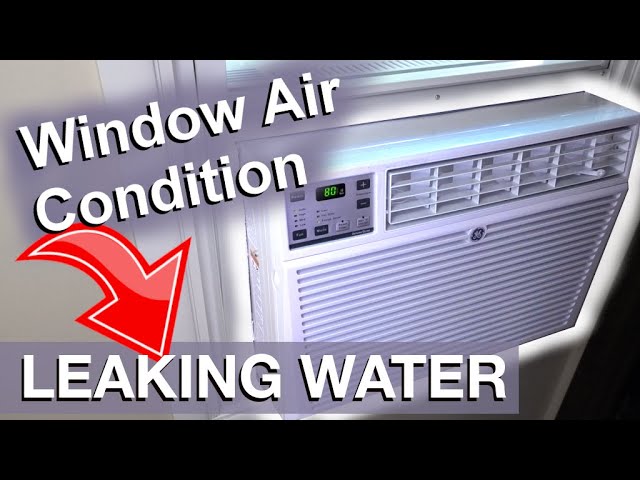
Introduction
Finding water dripping from your window AC unit can be frustrating and even a little alarming. This isn’t just a minor inconvenience; it can potentially damage your walls, floors, or furniture. Water leaks also create a breeding ground for mold and mildew. This guide helps you identify the cause of the leaking water and provides simple, step-by-step instructions to fix the problem yourself. Addressing this issue promptly prevents further damage and keeps your home comfortable and healthy.
Common Causes of window ac has water coming out
- Clogged Drainage Hole: Dirt, dust, and debris can block the drainage hole, preventing water from escaping properly.
- Improper Installation: If the AC isn’t tilted slightly outwards, water can’t drain correctly and will leak indoors.
- Dirty Air Filter: A clogged air filter reduces airflow, causing the evaporator coil to freeze up, which then melts and overflows.
- Frozen Evaporator Coil: Low refrigerant or poor airflow can cause the coil to ice up, leading to excessive water when it melts.
- Damaged Drain Pan: The drain pan collects condensation; if it’s cracked or broken, water will leak.
- High Humidity: Extremely humid conditions can cause excessive condensation, overwhelming the drainage system.
- Incorrect AC Size: An AC unit that’s too large cools the room too quickly without properly dehumidifying, leading to water build-up.
- Drain Hose Issues (if applicable): Some units have a drain hose; kinks or blockages can prevent proper drainage.
Symptoms Checklist
- Water dripping inside the room.
- Water leaking outside the unit from unexpected places.
- Visible ice formation on the AC unit.
- Unusual noises, like gurgling or hissing, from the unit.
- The room isn’t cooling as effectively as usual.
- Musty or moldy smell near the AC unit.
- Visible moisture or dampness around the AC unit on the outside of the house.
How to Fix window ac has water coming out Step-by-Step Guide
- Unplug the AC unit: For safety, always disconnect the power before troubleshooting.
- Inspect the air filter: Remove the filter and check for dirt and debris. If it’s dirty, clean it with soap and water or replace it. Let it dry completely before reinstalling.
- Check the drainage hole: Locate the drainage hole (usually on the outside or bottom of the unit). Use a straightened paper clip, pipe cleaner, or small screwdriver to gently clear any obstructions.
- Inspect the installation angle: Ensure the AC unit is tilted slightly outwards (about inch) to allow water to drain properly. Use shims if necessary to adjust the angle.
- Clean the drain pan: Carefully remove the AC unit from the window. Locate the drain pan at the bottom. Clean it thoroughly with soap and water to remove any accumulated debris or algae.
- Check for frozen evaporator coil: If you suspect a frozen coil (ice formation), turn off the AC and let it thaw completely (several hours or overnight).
- Dry the area around the unit: Use towels to absorb any standing water around the window and the AC unit.
- Run the AC on “Fan Only” mode: After cleaning, run the AC on “Fan Only” mode for a few hours to help dry out the internal components.
- Reassemble the AC unit: Carefully place the clean and dry air filter and other components back in their places.
- Reinstall the AC unit: Put the AC unit back into the window frame, ensuring it’s securely installed and still angled correctly.
- Turn on the AC and monitor: Plug the AC back in and turn it on. Observe for any further leaks.
- Run the AC at a lower setting: Excessive cooling can cause the evaporator coil to freeze. Try running the AC at a slightly warmer setting.
- Inspect exterior drain: If your AC has an exterior drain, ensure it’s clear of leaves and debris that can cause backups.
Fix the Issue Without Buying Parts
Often, you can resolve water leakage issues without needing to purchase new components. Here are some free methods:
- Reset the Unit: Unplug the AC for 15-20 minutes to reset its internal controls.
- Regular Cleaning: Clean the air filter every 2-4 weeks to maintain proper airflow.
- Inspect for Proper Tilt: Ensure the unit is properly angled for drainage.
- Routine Maintenance: Keep the area around the AC unit clean and free of debris.
- DIY Unclogging: Use household items to clear the drainage hole periodically.
When Replacement Might Be Necessary
In some cases, the water leakage might indicate a more serious problem that requires professional repair or even replacement. If the drain pan is severely cracked, the evaporator coil is damaged, or the unit is old and inefficient, replacement might be the best option. Expect to pay between $150 and $500 for a new window AC unit, depending on the size and features. Common failing parts include the compressor, fan motor, and electronic controls.
Safety Warning
- Always unplug the AC unit before performing any maintenance or repairs.
- Avoid working on the AC unit if you’re standing on a wet floor.
- Be careful when handling the AC unit to avoid injury. It can be heavy.
- If you’re uncomfortable performing any of these steps, contact a qualified technician.
Tools You May Need
- Screwdriver (Phillips and flathead)
- Paper clip or pipe cleaner
- Soap and water
- Towels
- Shims (optional)
- Gloves
FAQ
Q: Why is my AC leaking water even after I cleaned the filter?
A: There may be a blockage in the drainage hole, or the unit might not be tilted correctly.
Q: How often should I clean my AC air filter?
A: Clean the air filter every 2-4 weeks, depending on how often you use the AC and the air quality in your area.
Q: Can I use bleach to clean the drain pan?
A: Yes, a diluted bleach solution (1 part bleach to 10 parts water) can help kill mold and algae in the drain pan. Be sure to rinse thoroughly afterward.
Q: What if the water is leaking from the back of the unit?
A: This could indicate a problem with the evaporator coil or refrigerant levels. Contact a qualified technician for assistance.
Q: Is it normal for a window AC to drip water outside?
A: Yes, some dripping outside is normal as condensation drains from the unit. Excessive dripping, however, warrants investigation.
Q: Should I call a professional?
A: If you’ve tried these steps and the leaking persists, a professional HVAC technician can diagnose more complex issues, like refrigerant leaks or compressor problems.
Conclusion
Troubleshooting a leaking window AC unit can seem daunting, but with a little patience and this guide, you can often resolve the issue yourself. By following these steps, you can maintain your AC unit, prevent water damage, and save money on costly repairs. If the problem persists or you’re uncomfortable performing these tasks, don’t hesitate to contact a qualified HVAC technician for professional assistance. Good luck!
Youtube Video:
Looking for more useful options?
Check out recommended resources that others find helpful.