Introduction
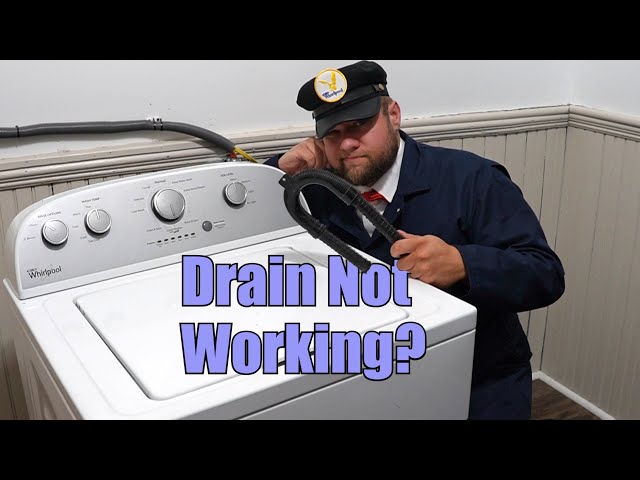
Is your Whirlpool washer leaving you with a tub full of water after the cycle is complete? This is a common problem that can be frustrating, but luckily, it’s often fixable with a little troubleshooting. A washer that won’t drain can lead to delays in your laundry routine, potential water damage, and even unpleasant odors. Let’s get your washer back in working order!
Common Causes of Whirlpool Washer Water Not Draining
Here are some of the most common reasons why your Whirlpool washer might not be draining:
- Clogged Drain Hose: A kinked or blocked drain hose prevents water from exiting the machine.
- Clogged Drain Pump Filter: This filter traps lint and small objects, and can become clogged over time.
- Drain Pump Failure: The drain pump is responsible for forcing water out of the washer. If it fails, the water will stay put.
- Kinked or Obstructed Air Hose: Sometimes, the air hose can get obstructed and prevents the pump from working correctly.
- Blocked Standpipe: The standpipe where the drain hose connects may be clogged, preventing water from flowing through.
- Lid Switch Issues: If the lid switch is malfunctioning, the washer may not think the lid is closed, preventing the drain cycle from starting.
- Control Board Problems: In some cases, a faulty control board might be the culprit, preventing the drain cycle from being initiated.
- Overuse of Detergent: Too much detergent can create excessive suds, interfering with the draining process.
Symptoms Checklist
Here are some signs that your Whirlpool washer is not draining correctly:
- Standing water in the washer tub after a completed cycle.
- A humming or buzzing sound coming from the washer during the drain cycle, but no water is being pumped out.
- The washer stopping mid-cycle with water still in the tub.
- Error codes related to draining issues displayed on the washer’s control panel.
- Wet or damp clothes remaining in the washer after the cycle.
How to Fix Whirlpool Washer Water Not Draining Step-by-Step Guide
Follow these steps to troubleshoot your Whirlpool washer:
- Unplug the Washer: Safety first! Disconnect the washer from the power outlet before starting any repairs.
- Check the Drain Hose: Inspect the drain hose for any kinks, bends, or obstructions. Straighten out any kinks and remove any visible blockages.
- Inspect the Standpipe: Make sure the standpipe is not clogged. You can use a plumbing snake or a wet/dry vacuum to clear any obstructions.
- Locate the Drain Pump Filter: This is usually located at the bottom front of the washer behind a small access panel. Consult your owner’s manual for the exact location.
- Drain the Remaining Water: Before removing the filter, place a shallow pan or towels to catch any remaining water. Some washers have a small drain plug next to the filter.
- Clean the Drain Pump Filter: Carefully remove the filter and clean it thoroughly. Remove any lint, hair, coins, or other debris.
- Inspect the Drain Pump: After cleaning the filter, check the drain pump itself. You might be able to see the impeller (the part that spins to pump the water). Make sure it’s not blocked by anything.
- Check the Air Hose: Locate the air hose (usually a small, flexible tube connected to the drain pump). Ensure it’s not kinked, blocked, or disconnected.
- Reassemble and Test: Reinstall the drain pump filter and close the access panel. Plug the washer back in and run a short drain and spin cycle to see if the issue is resolved.
- Check the Lid Switch: Manually press the lid switch to see if it clicks or engages properly. If it seems loose or broken, it might be the cause of the problem.
- Run a Cleaning Cycle: If the problem persists, try running a washer cleaning cycle with a washing machine cleaner to remove any buildup inside the machine.
- Check the Washer’s Manual: Your washer’s manual has specific troubleshooting steps and error code explanations.
Fix the Issue Without Buying Parts
Here are some free methods to try before considering replacing parts:
- Washer Reset: Unplug your washer for 1-2 minutes and then plug it back in. This can sometimes reset the control board and resolve the issue.
- Cleaning: Regularly clean your washer with a washing machine cleaner to prevent buildup and clogs.
- Detergent Use: Ensure you are using the correct type and amount of detergent. HE (High Efficiency) detergents are designed for newer washers and prevent excessive suds.
- Regular Maintenance: Periodically inspect the drain hose and drain pump filter to prevent clogs from forming.
When Replacement Might Be Necessary
If you’ve tried all the troubleshooting steps and your washer still isn’t draining, the drain pump might need to be replaced. A new drain pump typically costs between $50 and $150 USD. Another potential replacement could be the lid switch assembly, which can range from $20 to $80 USD. The control board is expensive and should be the last thing to consider.
Safety Warning
- Always unplug the washer before performing any repairs.
- Be careful when handling water to avoid slips and falls. Wipe up any spills immediately.
- Do not attempt to repair any electrical components unless you are comfortable working with electricity.
- If you are unsure about any step, consult a qualified appliance repair technician.
Tools You May Need
- Screwdrivers (Phillips and flathead)
- Pliers
- Shallow pan or towels
- Wet/dry vacuum
- Plumbing snake (optional)
- Gloves
FAQ
Q: Why is my washer making a humming sound but not draining?
A: This usually indicates that the drain pump is trying to work but is blocked by something. Check the drain pump filter for obstructions.
Q: How do I know if my drain pump is bad?
A: If the pump makes a humming sound but doesn’t pump water, or if you can’t hear the pump running at all, it may be faulty.
Q: What if I can’t find the drain pump filter?
A: Consult your owner’s manual for the exact location of the drain pump filter. It’s usually located at the bottom front of the washer.
Q: Can I use a regular detergent in my HE washer?
A: No, you should only use HE (High Efficiency) detergents in HE washers. Regular detergents create excessive suds that can interfere with the draining process and damage the washer.
Conclusion
Troubleshooting a Whirlpool washer that won’t drain can seem daunting, but with a little patience and these steps, you can often resolve the issue yourself. Remember to always prioritize safety and consult your owner’s manual. If you’ve tried everything and your washer still isn’t draining, it might be time to call a qualified appliance repair technician. Good luck!
Youtube Video:
Looking for more useful options?
Check out recommended resources that others find helpful.