Introduction
Is your Whirlpool washer leaving clothes soaking wet after the cycle finishes? This is a common problem often related to issues with the spin cycle. When the spin cycle fails, your clothes stay saturated, leading to longer drying times, potential mildew growth, and overall inconvenience. Addressing this promptly is important to avoid further damage to your machine and prevent mold from developing in your laundry area.
Common Causes of Whirlpool Washer Spin Cycle Problems
Here are some common reasons why your Whirlpool washer might be struggling to spin:
- Overloading the Washer: Too many clothes can prevent the drum from spinning correctly.
- Unbalanced Load: If clothes are bunched on one side, the washer might stop the spin cycle to prevent damage.
- Clogged Drain Hose: A blockage prevents water from draining, and the washer won’t spin with water inside.
- Faulty Lid Switch/Sensor: The washer won’t spin if it doesn’t detect that the lid is closed properly.
- Worn Drive Belt: If the belt connecting the motor to the drum is worn or broken, the drum won’t spin.
- Motor Coupler Issues: This small plastic part connects the motor to the transmission. It can break over time.
- Drain Pump Problems: A malfunctioning pump can’t remove water, preventing the spin cycle.
- Control Board Malfunction: In rare cases, the electronic control board might be sending incorrect signals.
- Foreign Object Obstruction: Small objects, like socks or coins, can get lodged in the drain pump or between the drums.
Symptoms Checklist
Look for these indicators to pinpoint the spin cycle problem:
- Clothes are soaking wet after the wash cycle.
- The washer makes a humming or grinding noise during the spin cycle.
- The drum doesn’t spin at all.
- The washer displays an error code on the control panel.
- The washer stops mid-cycle.
- Water remains in the drum after the wash cycle.
How to Fix Whirlpool Washer Spin Cycle Problems Step-by-Step Guide
Follow these steps to troubleshoot your Whirlpool washer’s spin cycle:
- Check the Load Size: Make sure you’re not overloading the washer. Remove some items and try again.
- Rearrange the Load: If the load is unbalanced, redistribute the clothes evenly around the drum.
- Inspect the Drain Hose: Disconnect the drain hose from the back of the washer and check for any kinks or clogs. Clean if necessary.
- Check the Drain Pump Filter: Locate the drain pump filter (usually at the bottom front of the washer behind a small access panel). Remove the filter and clean out any debris. Be prepared for some water to spill.
- Listen for the Drain Pump: During the drain cycle, listen for the drain pump motor running. If you don’t hear it, the pump might be faulty.
- Check the Lid Switch/Sensor: Make sure the lid is closing properly and the lid switch is engaging. You might be able to gently push on the lid to see if it starts spinning. (Be careful!)
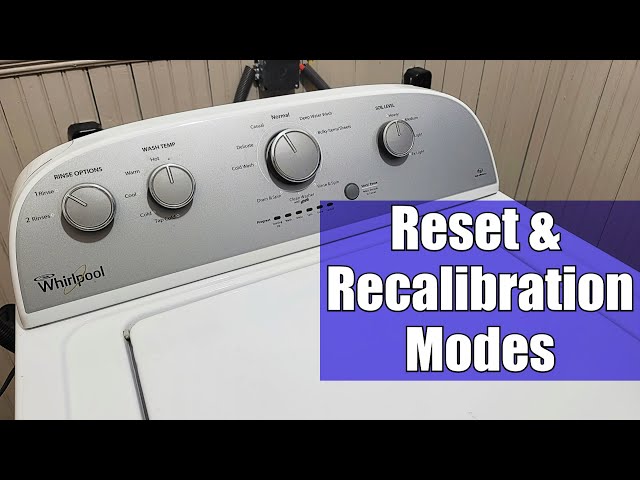
- Run a Calibration Cycle (if applicable): Some Whirlpool models have a calibration cycle. Consult your owner’s manual for instructions on how to run it.
- Check for Error Codes: Consult your owner’s manual for the meaning of any error codes displayed on the control panel.
- Reset the Washer: Unplug the washer from the power outlet for 1-2 minutes. Plug it back in and try running a spin cycle.
- Inspect the area inside the washer tub: Manually rotate the inner drum to feel for any obstructions between the drums.
- Check the Motor Coupler (Advanced): This step is more involved and requires removing the cabinet. The motor coupler connects the motor to the transmission. If this is broken, the washer may not spin. (Refer to online repair videos.)
Fix the Issue Without Buying Parts
Before considering replacements, try these free fixes:
- Reset the Washer: As mentioned earlier, unplugging and replugging can sometimes resolve minor electronic glitches.
- Clean the Drain Pump Filter Regularly: Prevent clogs by cleaning the filter every few months.
- Run a Cleaning Cycle: Use a washing machine cleaner to remove buildup and residue.
- Inspect the Drain Hose: Ensure it’s free from kinks and clogs.
- Recalibrate the Washer: Consult your owner’s manual for calibration instructions.
When Replacement Might Be Necessary
If you’ve tried all the troubleshooting steps and the washer still won’t spin, a part replacement might be necessary. Common parts that fail include the drain pump ($50-$150), the lid switch ($20-$50), the drive belt ($15-$30), and the motor coupler ($10-$20). A faulty control board is a more expensive repair ($150-$300) and might warrant considering a new washer. Prices are estimates and may vary.
Safety Warning
- Always unplug the washer from the power outlet before attempting any repairs.
- Be careful when handling water and electrical components.
- Avoid standing on wet floors.
- If you’re not comfortable working with electrical appliances, consult a qualified technician.
Tools You May Need
- Screwdrivers (Phillips and flathead)
- Pliers
- Bucket
- Towels
- Gloves
- Wrench (for hose connections)
FAQ
Here are some frequently asked questions about Whirlpool washer spin cycle problems:
- Q: Why is my washer making a loud banging noise during the spin cycle? A: This is likely due to an unbalanced load. Stop the washer and redistribute the clothes.
- Q: My washer displays an “LF” or “F0E2” error code. What does that mean? A: These codes often indicate a slow drain or a problem with the drain pump. Check the drain hose and filter.
- Q: How do I clean the drain pump filter? A: Refer to your owner’s manual for specific instructions. Generally, you’ll need to locate the access panel at the bottom front of the washer, remove the filter, and clean out any debris. Be prepared for some water to spill.
- Q: The washer spins, but very slowly. What could be the issue? A: This could be a sign of a worn drive belt or a problem with the motor coupler.
Conclusion
Troubleshooting a Whirlpool washer’s spin cycle problem can seem daunting, but by following these steps, you can often diagnose and fix the issue yourself. Remember to prioritize safety and consult your owner’s manual for specific instructions. If you’ve exhausted all troubleshooting options and are still experiencing problems, it might be time to call a qualified appliance repair technician. Good luck!
Youtube Video:
Looking for more useful options?
Check out recommended resources that others find helpful.