Introduction
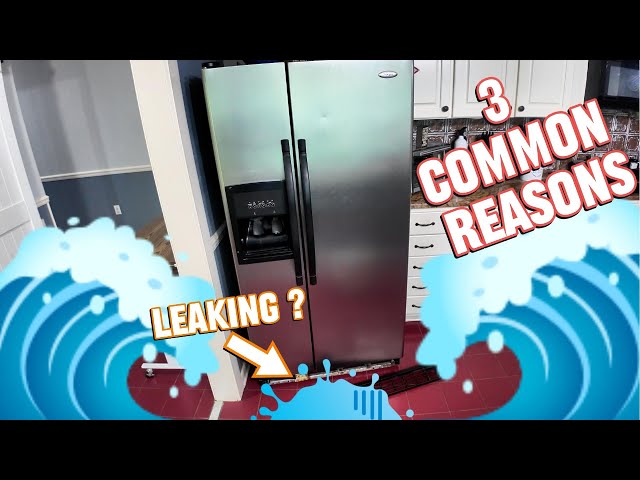
Finding water pooling beneath your Whirlpool refrigerator is a common household headache. This not only creates a slippery hazard but can also damage your flooring and potentially lead to mold growth. Ignoring the leak can worsen the problem and lead to more extensive repairs down the line. Addressing the leak quickly is important to prevent further damage and ensure your refrigerator continues to function efficiently. This guide will help you troubleshoot and, hopefully, resolve the issue yourself.
Common Causes of whirlpool refrigerator leaking from the bottom
There are several reasons why your Whirlpool refrigerator might be leaking. Here are some of the most frequent culprits:
- Clogged Defrost Drain: This is the most common cause. The drain carries water from the defrost cycle to a pan under the fridge to evaporate. If it’s blocked, water backs up and leaks.
- Frozen Defrost Drain: Sometimes, the water in the drain can freeze, creating an ice blockage.
- Cracked or Disconnected Water Line: If you have a water dispenser or ice maker, the water line can crack or come loose, leading to leaks.
- Faulty Water Filter Housing: The housing around the water filter can develop cracks or leaks over time.
- Full or Damaged Drain Pan: The pan under the fridge that collects defrost water can overflow if it’s full or cracked.
- Leaky Water Inlet Valve: This valve controls the flow of water to the ice maker and water dispenser. A leaky valve can cause water to drip.
- Damaged Door Seals: Worn or damaged door seals can cause condensation, which may accumulate and drip down the refrigerator.
- Overfilling Ice Maker: A malfunctioning ice maker can overfill, causing ice to spill and melt, leading to water underneath the unit.
Symptoms Checklist
Use this checklist to help pinpoint the source of the leak:
- Water pooling under the refrigerator.
- Ice buildup in the freezer compartment.
- Water stains on the floor near the refrigerator.
- Visible drips from the back or bottom of the refrigerator.
- Increased humidity inside the refrigerator.
- The refrigerator seems to be running more frequently than usual.
- A musty or moldy smell near the refrigerator.
How to Fix whirlpool refrigerator leaking from the bottom Step-by-Step Guide
Follow these steps to troubleshoot and fix the leak:
- Unplug the Refrigerator: Safety first! Disconnect the refrigerator from the power outlet before starting any work.
- Locate the Defrost Drain: Inside the freezer compartment, usually on the back wall, you’ll find a small drain hole.
- Clear the Defrost Drain: Use a turkey baster, pipe cleaner, or a long, flexible object to gently clear any blockage in the drain. Warm water can also help melt ice. Pour warm (not hot) water down the drain to flush out any debris.
- Inspect the Water Line (If Applicable): If your refrigerator has a water dispenser or ice maker, check the water line connecting to the back of the refrigerator for cracks or loose connections.
- Tighten Water Line Connections: If you find loose connections on the water line, carefully tighten them with a wrench. Do not overtighten, as this can damage the fitting.
- Check the Water Filter Housing: Look for cracks or leaks around the water filter housing. Try replacing the filter if you suspect it’s the source of the leak.
- Locate the Drain Pan: The drain pan is usually located at the bottom of the refrigerator, either in the front or back. You may need to remove a lower panel to access it.
- Inspect the Drain Pan: Pull out the drain pan (if possible) and check for cracks or damage. Empty any water that has accumulated in the pan.
- Clean the Drain Pan: Clean the drain pan with soap and water to remove any debris or mold growth.
- Inspect the Door Seals: Check the rubber seals around the refrigerator and freezer doors for tears, gaps, or dirt buildup.
- Clean the Door Seals: Wipe the seals with a damp cloth to remove any debris that might be preventing a tight seal.
- Reassemble and Plug In: Once you’ve addressed the potential causes, reassemble any parts you removed, plug the refrigerator back in, and monitor it for leaks.
- Monitor the Refrigerator: After plugging it back in, closely observe the area around the refrigerator for any signs of a leak. It might take some time for a leak to reappear if the issue was a slow drip.
- Run a Test Cycle (Ice Maker/Dispenser): If you have an ice maker or water dispenser, run a test cycle to ensure they are functioning correctly and not contributing to the leak.
Fix the Issue Without Buying Parts
Sometimes, a simple fix is all that’s needed:
- Reset the Refrigerator: Unplugging the refrigerator for 10-15 minutes can sometimes reset the system and resolve minor issues.
- Thorough Cleaning: Regular cleaning of the refrigerator, especially the interior and around the seals, can prevent condensation buildup.
- Leveling Adjustment: Ensure the refrigerator is level. Use a level and adjust the feet at the bottom of the refrigerator if necessary.
- Regular Inspection: Periodically check the drain pan and water line connections to catch potential issues early.
When Replacement Might Be Necessary
If you’ve tried all the troubleshooting steps and the leak persists, a component might be failing. Potential replacement scenarios include:
- Severely Cracked Drain Pan: If the pan is irreparable, a replacement will cost approximately $20-$50.
- Faulty Water Inlet Valve: Replacing the valve typically costs between $50 and $100.
- Damaged Water Filter Housing: A new housing unit can range from $40 to $80.
- Unfixable Cracked Tubing: A replacement tubing and installation can be around $30 to $70.
Safety Warning
Keep these safety precautions in mind:
- Always unplug the refrigerator before performing any repairs.
- Be careful when handling water near electrical components.
- Wipe up any spills immediately to prevent slips and falls.
- If you’re uncomfortable with any of these steps, consult a qualified appliance repair technician.
Tools You May Need
Here’s a list of tools that might come in handy:
- Screwdrivers (Phillips and flathead)
- Wrench
- Turkey baster or pipe cleaner
- Bucket or towels
- Level
FAQ
Here are some frequently asked questions:
- Q: Why is my refrigerator leaking even after I cleared the drain? A: There might be a crack in the drain line or a faulty water inlet valve. Inspect these components carefully.
- Q: How often should I clean the drain pan? A: It’s a good idea to clean the drain pan every 6 months or more frequently if you notice any unusual smells.
- Q: Can a full freezer cause a leak? A: Yes, a freezer that’s too full can restrict airflow and cause ice buildup, which can eventually melt and leak.
- Q: What if I can’t find the defrost drain? A: Consult your refrigerator’s user manual. It will have a diagram showing the location of the defrost drain.
- Q: How do I check the water inlet valve? A: Locate the valve (usually behind the refrigerator), and inspect it for cracks or leaks. You may need to remove a panel to access it.
Conclusion
Troubleshooting a leaking Whirlpool refrigerator can seem daunting, but by following these steps, you can often identify and resolve the issue yourself. Remember to prioritize safety and take your time. If you’re not comfortable with any of these steps, or if the problem persists, don’t hesitate to call a qualified appliance repair technician. Addressing the leak promptly will save you money and prevent further damage to your home.
Youtube Video:
Looking for more useful options?
Check out recommended resources that others find helpful.