Introduction
Discovering a puddle of water near your Whirlpool Cabrio washer is never a welcome sight. Leaks not only waste water and increase your utility bills but can also cause significant damage to your floors and surrounding areas. It’s crucial to address a leaking washer promptly. The longer you wait, the greater the potential for mold growth and structural damage. This guide is designed to help you, the homeowner, diagnose and fix the leak yourself, saving you time and money. We’ll walk you through the common causes and provide easy-to-follow troubleshooting steps.
Common Causes of Whirlpool Cabrio Washer Leaking
There are several reasons why your Whirlpool Cabrio washer might be leaking. Here are some of the most common:
- Loose or Damaged Inlet Hoses: These hoses connect your washer to the water supply. A loose connection or a crack in the hose can cause leaks.
- Drain Hose Problems: The drain hose carries wastewater away from the washer. If it’s clogged, kinked, or improperly connected, it can leak.
- Damaged Door Seal (Bellow): The rubber seal around the door prevents water from escaping during the wash cycle. Tears or debris can compromise the seal.
- Overfilling: Using too much detergent or washing bulky items can cause the washer to overfill and leak.
- Internal Hose Leaks: Inside the washer, there are various hoses that carry water. These hoses can deteriorate over time and begin to leak.
- Drain Pump Issues: The drain pump removes water from the washer. If it’s cracked or malfunctioning, it can leak.
- Tub Seal Failure: The tub seal prevents water from leaking from the wash tub into the motor compartment. This is more common in older machines.
- Detergent Dispenser Clogs: A clogged dispenser can cause water to overflow and leak.
Symptoms Checklist
Confirming your Whirlpool Cabrio washer is leaking can be done by observing a few indicators:
- Water pooling on the floor around the washer.
- Water dripping from the back, front, or bottom of the washer.
- Musty odor emanating from the washer area.
- Visible cracks or damage on the hoses or seals.
- Excessive suds in the washer or on the floor.
- Washer making unusual noises during the wash cycle.
How to Fix Whirlpool Cabrio Washer Leaking Step-by-Step Guide
Follow these steps to troubleshoot and potentially fix your leaking Whirlpool Cabrio washer:
- Safety First: Unplug the washer from the power outlet. This is crucial to prevent electric shock.
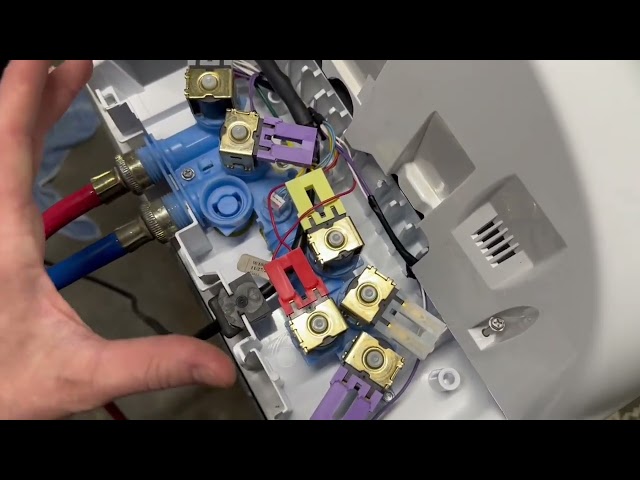
- Inspect the Inlet Hoses: Check both the hot and cold water inlet hoses for any cracks, bulges, or leaks. Tighten the connections at both the faucet and the washer. If a hose is damaged, consider replacing it.
- Check the Drain Hose: Make sure the drain hose is securely connected to the drainpipe or laundry tub. Ensure it isn’t kinked or clogged. Remove any obstructions if necessary.
- Examine the Door Seal (Bellow): Carefully inspect the rubber seal around the door for tears, cracks, or debris. Clean the seal with a damp cloth to remove any dirt or buildup.
- Run a Test Cycle (with supervision): Plug the washer back in and run a short wash cycle. Observe closely for any leaks. Pay attention to where the water is coming from.
- Check the Detergent Dispenser: Remove the detergent dispenser drawer and clean it thoroughly to remove any clogs or residue.
- Inspect Internal Hoses (Advanced – proceed with caution): If the leak appears to be coming from inside the washer, you may need to remove the top or back panel (refer to your owner’s manual for instructions). Look for any loose or damaged hoses inside the machine.
- Clean the Drain Pump Filter: The drain pump filter can sometimes become clogged with debris, causing leaks. Refer to your owner’s manual to locate and clean the filter. It’s usually located at the bottom front of the machine, behind a small access panel.
- Check for Overfilling: Ensure you are using the correct amount of detergent for each load. Avoid overloading the washer with bulky items.
- Run a Self-Diagnostic Test: Many Whirlpool Cabrio washers have a self-diagnostic mode that can help identify potential problems. Consult your owner’s manual for instructions on how to initiate the diagnostic test.
- Inspect the Water Level Sensor: The water level sensor ensures that the washer fills to the correct level. A faulty sensor can cause overfilling and leaks. It’s usually found near the top of the washer. (This requires some disassembly).
Fix the Issue Without Buying Parts
Before you rush to buy new parts, try these free and simple solutions:
- Reset the Washer: Unplug the washer for a few minutes and then plug it back in. This can sometimes reset the control panel and resolve minor issues.
- Clean the Washer Regularly: Run an empty wash cycle with a cup of white vinegar or a washing machine cleaner to remove buildup and prevent clogs.
- Recalibrate the Washer: Some Whirlpool Cabrio washers require periodic recalibration. Consult your owner’s manual for instructions.
- Regular Inspection: Regularly inspect the hoses, seals, and dispenser for signs of wear and tear.
- Proper Loading: Ensure you aren’t overloading the washer and that the load is balanced.
When Replacement Might Be Necessary
If you’ve tried all the troubleshooting steps and your washer is still leaking, certain parts may need replacement. Here are some common culprits and estimated cost ranges (USD):
- Inlet Hoses: $10 – $30
- Drain Hose: $15 – $40
- Door Seal (Bellow): $50 – $150
- Drain Pump: $50 – $200
- Tub Seal: $80 – $300 (This often requires professional assistance)
If the tub seal is leaking, or if the cost of replacing multiple parts is significant, it may be more cost-effective to replace the entire washer.
Safety Warning
Keep these safety precautions in mind when working on your Whirlpool Cabrio washer:
- Always unplug the washer from the power outlet before performing any repairs.
- Turn off the water supply to the washer before disconnecting any hoses.
- Be careful when working with water and electrical components. Avoid contact with water while the washer is plugged in.
- Clean up any spills immediately to prevent slips and falls.
- If you are not comfortable performing any of these repairs yourself, consult a qualified appliance repair technician.
Tools You May Need
Here are some tools that might be helpful for troubleshooting and repairing your Whirlpool Cabrio washer:
- Screwdrivers (Phillips and flathead)
- Pliers
- Adjustable wrench
- Bucket
- Towels
- Flashlight
- Multimeter (for testing electrical components – advanced)
FAQ
Here are some frequently asked questions about Whirlpool Cabrio washer leaks:
- Q: Why is my washer leaking only during the spin cycle? A: This is often caused by a problem with the drain pump or drain hose. Check for clogs or damage.
- Q: My washer is leaking from the front. What could it be? A: The most likely cause is a damaged door seal (bellow). Inspect it carefully for tears or debris.
- Q: How can I tell if the tub seal is leaking? A: If you see water leaking from the bottom of the washer, especially during the wash or spin cycle, the tub seal may be the culprit.
- Q: Is it safe to use my washer if it’s leaking? A: No, it’s not safe. A leaking washer can cause water damage and electrical hazards. Unplug the washer and address the leak immediately.
- Q: Can I use regular dish soap in my washing machine? A: No, never use regular dish soap in a washing machine. It will create excessive suds and can cause the washer to overflow and leak.
Conclusion
A leaking Whirlpool Cabrio washer can be a frustrating issue, but with a little patience and this guide, you can often diagnose and fix the problem yourself. Remember to always prioritize safety and follow the steps carefully. Before calling a technician, try the troubleshooting steps outlined above you might be surprised at how much you can accomplish! If you’ve exhausted all options and the leak persists, contacting a qualified appliance repair professional is the best course of action.
Youtube Video:
Looking for more useful options?
Check out recommended resources that others find helpful.