Introduction
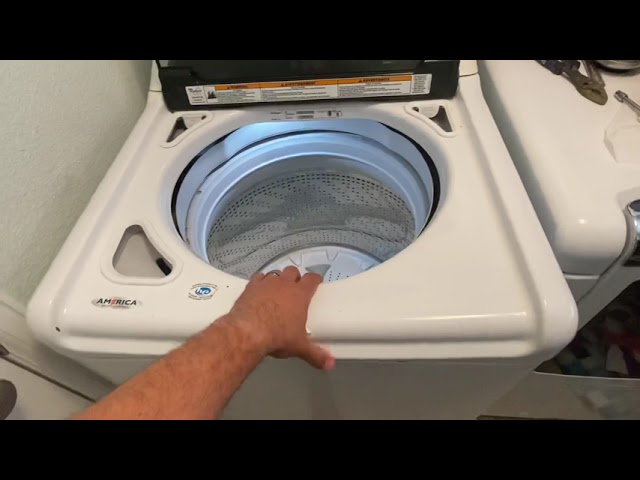
Discovering a puddle of water beneath your Whirlpool Cabrio washing machine can be alarming. It not only poses a slip hazard but can also lead to water damage if left unattended. Identifying and addressing the leak quickly is essential to prevent further issues and costly repairs. Leaks often appear during or after a wash cycle, signaling a problem with the water supply, drainage, or internal components. This guide will walk you through the common causes and provide simple, step-by-step instructions to troubleshoot the problem before calling a professional.
Common Causes of Whirlpool Cabrio Washer Leaking From Underneath
Several factors can contribute to a leak in your Whirlpool Cabrio washer. Here are some of the most common culprits:
- Loose Water Inlet Hoses: The hoses connecting your washer to the water supply can become loose over time, causing leaks.
- Drain Hose Issues: A cracked, kinked, or improperly connected drain hose can lead to leaks during the drain cycle.
- Worn or Damaged Door Seal: The rubber seal around the washer door can deteriorate, allowing water to escape during washing.
- Over-Sudsing: Using too much detergent can create excessive suds that overflow and leak from the dispenser or door.
- Clogged Drain Pump: A blockage in the drain pump can cause pressure to build up, resulting in leaks.
- Internal Hose Leaks: Hoses inside the washer can crack or disconnect, leading to leaks that are harder to spot.
- Damaged Tub Seal: The seal around the wash tub itself might fail, especially in older machines.
- Overfilling: A faulty water level sensor can cause the washer to overfill, leading to leaks.
Symptoms Checklist
Use this checklist to help pinpoint the source of the leak:
- Water pooling directly under the washer.
- Water leaking only during the fill cycle.
- Water leaking only during the wash cycle.
- Water leaking only during the drain cycle.
- Water dripping from the back of the washer.
- Excessive suds visible during the wash cycle.
- Musty smell around the washer.
- Water stains on the floor near the washer.
How to Fix Whirlpool Cabrio Washer Leaking From Underneath Step-by-Step Guide
Follow these steps to diagnose and fix the leak:
- Safety First: Unplug the washer from the power outlet. Also, turn off both the hot and cold water supply valves to the washer.
- Inspect Water Inlet Hoses: Check the hot and cold water inlet hoses at the back of the washer and where they connect to the water supply. Tighten the connections with pliers or a wrench, but don’t overtighten. Look for cracks or bulges in the hoses.
- Check the Drain Hose: Inspect the drain hose for kinks, cracks, or loose connections. Make sure the hose is securely inserted into the drainpipe or standpipe. Ensure the drainpipe is not clogged.
- Inspect the Door Seal: Examine the rubber door seal for tears, cracks, or debris. Clean the seal with a damp cloth. If the seal is damaged, this might be the source of the leak.
- Check for Over-Sudsing: Ensure you are using the correct amount of detergent, especially for high-efficiency (HE) washers. Too much detergent can cause excessive suds.
- Run a Rinse Cycle: Run an empty rinse cycle to help clear out any excess suds that might be causing the leak.
- Inspect the Drain Pump Filter: Locate and clean the drain pump filter. Usually found behind a small access panel at the bottom front of the washer. Refer to your owner’s manual for the exact location. Remove any debris, like lint, coins, or hair, that might be clogging it.
- Check Internal Hoses (Advanced): If the leak persists and you’re comfortable, carefully remove the washer’s cabinet (refer to your owner’s manual or online videos for instructions). Inspect the internal hoses for leaks or loose connections. This step requires some technical skill.
- Water Level Sensor: With the cabinet open, try to locate water level sensor. Make sure the hose connected to it is secured. Sometimes, loose water level sensor hose may cause overfilling.
- Reassemble and Test: If you removed the washer cabinet, carefully reassemble it. Plug the washer back in and turn on the water supply. Run a test cycle and observe for leaks.
Fix the Issue Without Buying Parts
Often, a leaking washer can be fixed without replacing parts:
- Reset the Washer: Unplug the washer for 1-2 minutes, then plug it back in. This can sometimes reset the electronic controls and resolve overfilling issues.
- Clean the Washer: Regularly run a washer cleaning cycle with a washing machine cleaner or vinegar to prevent buildup and clogs.
- Recalibrate the Washer: Some Whirlpool Cabrio models have a calibration cycle. Check your owner’s manual for instructions on how to recalibrate the washer.
- Inspect the Area Around the Washer: Ensure the floor is level. An unlevel washer can cause vibrations and leaks. Adjust the washer’s feet if necessary.
When Replacement Might Be Necessary
If the leak persists after trying these steps, or if you identify a severely damaged component like a cracked tub or failing motor, replacement might be necessary. Common parts that fail include the door seal (around $50-$100), the drain pump ($80-$150), and internal hoses ($20-$50 each). Consider the age of the washer and the cost of repairs before deciding whether to repair or replace it. Replacement washer costs can range from $500 to $1200+ depending on the model.
Safety Warning
- Always unplug the washer from the power outlet before attempting any repairs.
- Turn off the water supply to the washer before disconnecting any hoses.
- Be careful when handling water; clean up any spills immediately to prevent slips and falls.
- If you are uncomfortable with any of these steps, contact a qualified appliance repair technician.
Tools You May Need
- Pliers or adjustable wrench
- Screwdrivers (Phillips and flathead)
- Bucket and towels
- Gloves
- Flashlight
- Washing machine cleaner or vinegar
FAQ
Here are some frequently asked questions about washer leaks:
- Q: Why is my washer leaking only during the spin cycle?
- A: This often indicates a problem with the drain pump or drain hose. Check for clogs or loose connections.
- Q: How can I tell if the door seal is leaking?
- A: Look for visible tears or cracks in the seal. You may also see water dripping from the door during the wash cycle.
- Q: Is it normal for my washer to vibrate a lot?
- A: Some vibration is normal, but excessive vibration can indicate an unbalanced load or a problem with the washer’s suspension system.
- Q: What do I do if I can’t find the source of the leak?
- A: If you’ve tried these steps and the leak persists, it’s best to call a qualified appliance repair technician. They have the tools and expertise to diagnose and fix more complex problems.
Conclusion
Troubleshooting a leaking Whirlpool Cabrio washer can seem daunting, but by following these steps, you can often identify and fix the problem yourself. Remember to prioritize safety and consult your owner’s manual for specific instructions related to your model. If you’re not comfortable performing the repairs yourself, don’t hesitate to call a qualified appliance repair technician. Good luck!
Youtube Video:
Looking for more useful options?
Check out recommended resources that others find helpful.