
Introduction
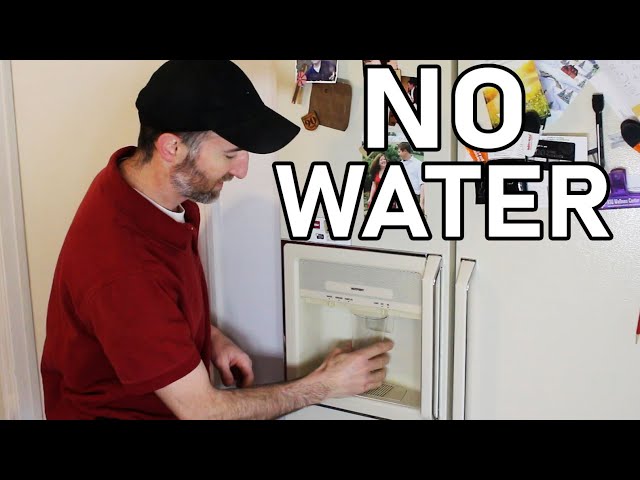
It’s frustrating when your fridge is churning out ice perfectly fine, but refuses to dispense water. This often happens unexpectedly, disrupting your easy access to chilled water. Not having readily available water can be inconvenient and can potentially indicate a more significant issue with your refrigerator’s water supply. Addressing this promptly can prevent further damage and restore your fridge’s full functionality. Explore more in our Refrigerator Problems 2 collection.
💡 Technical Key Takeaways:
- Core Focus: Diagnostic schematic and terminal connection layout for Fridge Making Ice But Not Dispensing Water.
- Target Scope: Field technicians, automotive DIYers, and residential/commercial electricians.
- Safety Rule: Always disconnect the primary power source/battery terminal and verify zero voltage with a multimeter before touching wires.
Common Causes of Fridge Making Ice But Not Dispensing Water
Here are some of the most common culprits behind this frustrating issue:
- Frozen Water Line: The water line supplying water to the dispenser can freeze, blocking the flow.
- Clogged Water Filter: A dirty or old water filter can restrict water flow significantly.
- Kinked or Damaged Water Line: A kink or damage to the water line behind the fridge can prevent water from reaching the dispenser.
- Faulty Water Inlet Valve: This valve controls the flow of water into the refrigerator. If it’s faulty, it might not open to allow water dispensing.
- Defective Water Dispenser Switch: The switch you press to dispense water might be broken or malfunctioning.
- Low Water Pressure: Insufficient water pressure from your home’s plumbing can impact the dispenser.
- Frozen Dispenser Nozzle: Ice can sometimes build up in the dispenser nozzle, blocking the water flow.
- Air Lock in the Water Line: Air trapped in the water line can create a blockage, preventing water from flowing.
Symptoms Checklist
Use this checklist to help pinpoint the problem:
- Ice maker is working fine, producing ice.
- No water comes out when you press the dispenser lever.
- You might hear a humming sound when trying to dispense water, but nothing happens.
- The water filter light may be on, indicating a need for replacement.
- You recently replaced the water filter.
- Water pressure in other faucets in your house is normal.
How to Fix Fridge Making Ice But Not Dispensing Water Step-by-Step Guide
- Check the Water Supply: Ensure the water supply valve behind the refrigerator is fully open.
- Inspect the Water Line: Look for any kinks or bends in the water line running from the wall to the fridge. Straighten any kinks.
- Replace the Water Filter: Even if it doesn’t look dirty, try replacing the water filter. Follow the manufacturer’s instructions for your fridge model.
- Thaw a Frozen Water Line: If you suspect a frozen line, unplug the refrigerator. You can use a hairdryer (on a low setting) to gently warm the water line, especially near the bottom of the freezer and behind the refrigerator. Be careful not to melt any plastic components.
- Check Water Pressure: Ensure your home’s water pressure is adequate. Low water pressure can affect the dispenser’s performance.
- Flush the Water Line: After replacing the water filter (or thawing a frozen line), dispense several gallons of water to flush out any air or debris.
- Reset the Refrigerator: Unplug the refrigerator for 5-10 minutes, then plug it back in. This can sometimes reset the system and resolve minor issues.
- Inspect the Dispenser Nozzle: Check for ice buildup in the dispenser nozzle. If present, gently melt it with a warm (not hot) cloth.
- Listen for the Water Inlet Valve: When you press the dispenser lever, listen for a click or hum from the water inlet valve (usually located behind the refrigerator). If you don’t hear anything, the valve might be faulty (though this requires further testing).
- Check the Freezer Temperature: Ensure the freezer temperature is not set too low, as this can cause the water line to freeze. The ideal temperature is around 0F (-18C).
- Inspect the Water Filter Housing: Check the water filter housing for any cracks or leaks.
- Check the saddle valve: If your refrigerator is connected using a saddle valve, those valves are prone to getting clogged and causing lower water pressure.
Fix the Issue Without Buying Parts
Often, you can resolve this issue without spending any money:
- Reset: Unplug the refrigerator for 10 minutes to reset the system.
- Thawing: Use a hairdryer on low heat to thaw a potentially frozen water line.
- Cleaning: Inspect and clean the dispenser nozzle to remove any ice buildup.
- Visual Inspection: Carefully examine the water line for kinks or damage.
- Maintenance: Replace the water filter regularly (every 6 months) to prevent clogging.
When Replacement Might Be Necessary
If none of the above steps work, you might need to replace a part. Here are some common culprits:. For more related activities, check out our Fridge Water Coming Out.
- Water Inlet Valve: This regulates water flow and can fail. Estimated cost: $30-$80.
- Water Filter Housing: If cracked or leaking, it needs replacement. Estimated cost: $20-$50.
- Water Dispenser Switch: If broken, the dispenser won’t activate. Estimated cost: $15-$40.
Safety Warning
- Always unplug the refrigerator before performing any maintenance or repairs.
- Avoid working with water near electrical components.
- Clean up any spilled water immediately to prevent slips and falls.
- If you’re uncomfortable with any of these steps, consult a qualified appliance repair technician.
Tools You May Need
- Screwdrivers (Phillips and flathead)
- Pliers
- Adjustable wrench
- Hairdryer (for thawing)
- Towels
FAQ
Here are some frequently asked questions:
- Q: How often should I replace the water filter? A: Typically, every 6 months.
- Q: Why is my ice maker working but not the water dispenser? A: They have separate water lines and valves, so one can function while the other is blocked.
- Q: Can low water pressure cause this issue? A: Yes, insufficient water pressure can prevent the dispenser from working properly.
- Q: How do I know if the water inlet valve is bad? A: You’ll need a multimeter to test the valve for continuity. If it shows no continuity when activated, it’s likely faulty.
Conclusion
Troubleshooting a refrigerator that makes ice but doesn’t dispense water can seem daunting, but with a systematic approach, you can often identify and resolve the issue yourself. Start with the simplest solutions and work your way through the steps outlined above. Before calling a technician, try these DIY fixes. You might be surprised at how easily you can get your water dispenser working again!. Discover more free resources across our collection library.
Youtube Video:
Quick Wiring Specifications & Terminal Guide
| Component / Circuit | Standard Wire Gauge | Recommended Protection |
|---|---|---|
| Control & Trigger Signals | 18 – 20 AWG | 5A – 7.5A Inline Fuse |
| Standard Auxiliary Load | 14 – 16 AWG | 15A – 20A Circuit Breaker |
| Main Power Feed / Supply | 10 – 12 AWG | 30A – 40A Heavy-Duty Relay |
