Introduction
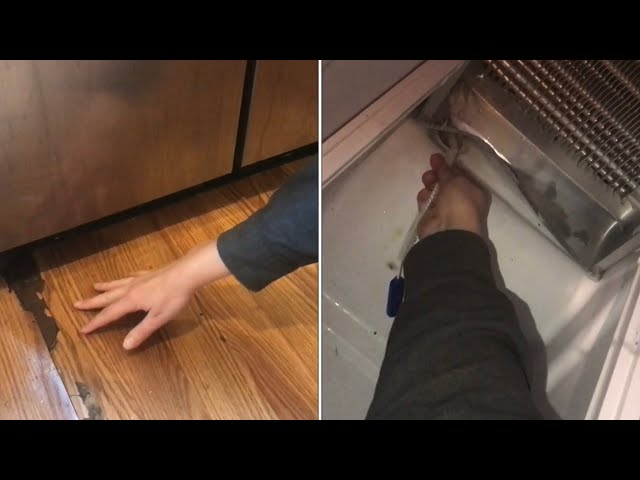
Discovering your Westinghouse fridge leaking can be quite alarming. Not only can it damage your flooring, but it also indicates a potential problem with your refrigerator’s functionality. This issue often surfaces when you notice water accumulating under or inside your fridge. Addressing this leak promptly is crucial to prevent further damage and ensure your refrigerator continues to operate efficiently. Don’t worry, many times it’s a simple fix!
Common Causes of westinghouse fridge leaking
There are several reasons why your Westinghouse fridge might be leaking. Here are some of the most common culprits:
- Clogged Defrost Drain: This is the most frequent cause. The drain carries water from the defrost cycle to a pan under the fridge. If blocked, water will overflow.
- Frozen Defrost Drain: Similar to a clog, ice can block the drain, especially in colder environments.
- Cracked or Disconnected Water Line: If you have a water dispenser or ice maker, the water line can crack or come loose, leading to leaks.
- Faulty Water Inlet Valve: This valve controls the water flow to the ice maker and dispenser. If it fails, it can leak even when the dispenser isn’t in use.
- Damaged Drain Pan: The drain pan under the fridge collects water. If it’s cracked, it will leak onto the floor.
- Loose or Worn Door Seals: If the door seals are damaged or loose, warm air can enter, causing excessive condensation and subsequent leaks.
- Overfilled Ice Maker: Sometimes, the ice maker can overfill, leading to water overflow and a leak.
- High Humidity: In humid environments, condensation can form inside the fridge and leak out.
Symptoms Checklist
Here are some indicators that can help you determine if your Westinghouse fridge is leaking:
- Water pooling under the fridge.
- Water inside the fridge, often at the bottom.
- Ice buildup in the freezer.
- Excessive condensation on the fridge walls.
- Dripping sound coming from the fridge.
- Unusual odors coming from the fridge (mold, mildew).
How to Fix westinghouse fridge leaking Step-by-Step Guide
Follow these steps to troubleshoot and potentially fix your leaking Westinghouse fridge:
- Unplug the Fridge: Always start by unplugging the fridge from the power outlet for safety.
- Locate the Defrost Drain: This is usually found on the back wall inside the freezer compartment, often behind a panel. Refer to your owners manual for the exact location.
- Check for Ice Buildup: Inspect the drain for ice. If present, use a hairdryer (on low heat) to gently melt the ice. Be careful not to melt any plastic components.
- Clear the Defrost Drain: Use a turkey baster or syringe filled with hot water to flush the drain. You can also use a pipe cleaner or a flexible wire to dislodge any clogs.
- Check the Drain Pan: Locate the drain pan under the fridge (usually accessible from the front or back). Remove it and inspect for cracks or damage. Clean the pan thoroughly.
- Inspect the Water Line (If Applicable): If your fridge has a water dispenser or ice maker, check the water line for any signs of cracks or leaks. Ensure the connections are tight.
- Examine the Water Inlet Valve (If Applicable): The water inlet valve is usually located at the back of the fridge. Inspect it for any signs of leaks.
- Check the Door Seals: Inspect the door seals for any damage, cracks, or gaps. Clean the seals with warm soapy water to remove any debris.
- Level the Fridge: Ensure your fridge is level. An unlevel fridge can cause water to leak from the drain pan or other areas. Use a level to check, and adjust the leveling feet at the bottom of the fridge.
- Clean the Condenser Coils: Dirty condenser coils can cause the fridge to work harder and produce more condensation. Clean them with a vacuum cleaner and a brush attachment.
- Reassemble and Plug In: Once you’ve completed the above steps, reassemble any parts you removed, plug the fridge back in, and monitor for leaks.
- Monitor the Fridge: After plugging it back in, keep an eye on the fridge for the next 24-48 hours to see if the leak has stopped.
Fix the Issue Without Buying Parts
Before you consider buying any replacement parts, try these free methods:
- Reset the Fridge: Unplug the fridge for 30 minutes and then plug it back in. This can sometimes reset the system and resolve minor issues.
- Deep Cleaning: Clean the inside of the fridge thoroughly, paying attention to any areas with condensation or ice buildup.
- Inspect Regularly: Make it a habit to regularly inspect the fridge for any signs of leaks or condensation. Early detection can prevent major problems.
- Proper Ventilation: Ensure the fridge has adequate ventilation. Don’t pack items too tightly around the fridge, as this can restrict airflow.
When Replacement Might Be Necessary
If you’ve tried all the troubleshooting steps and the leak persists, it might be necessary to replace certain parts. Here are some scenarios where replacement is likely needed:
- Cracked Drain Pan: If the drain pan is severely cracked and cannot be repaired, it needs to be replaced. (Estimated cost: $20-$50)
- Faulty Water Inlet Valve: If the water inlet valve continues to leak even after inspection, it needs to be replaced. (Estimated cost: $30-$70)
- Damaged Water Line: If the water line has a significant crack that cannot be repaired, it needs to be replaced. (Estimated cost: $10-$30)
Safety Warning
Take note of the following safety precautions:
- Always unplug the fridge from the power outlet before starting any repairs.
- Avoid touching any electrical components with wet hands.
- Be careful when using sharp tools or hot water to avoid injury.
- If you are not comfortable performing any of these steps, consult a qualified technician.
- Ensure the floor around the fridge is dry to prevent slips and falls.
Tools You May Need
Here are some tools you might find helpful for troubleshooting:
- Screwdrivers (Phillips and flathead)
- Pliers
- Adjustable wrench
- Turkey baster or syringe
- Pipe cleaner or flexible wire
- Hairdryer
- Vacuum cleaner with brush attachment
- Level
- Towels
FAQ
Here are some frequently asked questions about Westinghouse fridge leaks:
-
Q: Why is my fridge leaking even after I cleared the drain?
A: There might be a crack in the drain pan or a faulty water inlet valve. Check these components for damage.
-
Q: How often should I clean the condenser coils?
A: It’s recommended to clean the condenser coils at least twice a year to maintain optimal performance.
-
Q: Can a leaking fridge cause mold?
A: Yes, excessive moisture can create a breeding ground for mold and mildew. Clean up any leaks promptly and disinfect affected areas.
-
Q: Is it safe to use a metal object to clear the drain?
A: While a metal object like a wire hanger can be used, be extremely careful not to puncture or damage the drain tube itself.
-
Q: How can I prevent my fridge from leaking in the future?
A: Regularly check and clean the drain, keep the condenser coils clean, and ensure the door seals are in good condition.
Conclusion
Fixing a leaking Westinghouse fridge might seem daunting, but with this guide, you’re well-equipped to tackle the problem. Start with the simple solutions, and don’t be afraid to get your hands dirty. By following these steps, you can often resolve the issue yourself and save on costly repair bills. However, if you’re unsure or uncomfortable with any of the steps, don’t hesitate to call a qualified technician. Happy troubleshooting!
Youtube Video:
Looking for more useful options?
Check out recommended resources that others find helpful.