Introduction
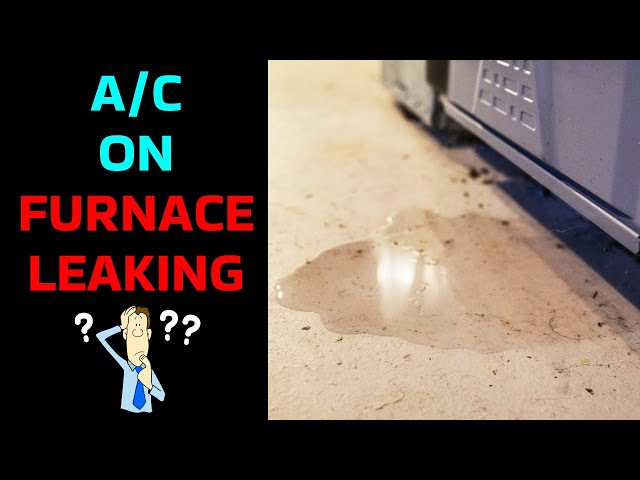
Finding water under your AC unit is a common problem for many homeowners, especially during hot and humid weather. While a little condensation is normal, excessive water indicates a potential issue that needs immediate attention. Ignoring it can lead to water damage in your home, mold growth, and even damage to your AC unit itself. This guide will walk you through the common causes and provide simple, step-by-step instructions to diagnose and resolve the problem yourself.
Common Causes of Water Under the AC Unit
Here are some of the most frequent reasons why you might be seeing water around your indoor AC unit:
- Clogged Condensate Drain Line: This is the most common culprit. A blocked drain line prevents water from properly draining away.
- Dirty Air Filter: A clogged filter restricts airflow, causing the evaporator coil to freeze. When the ice melts, it overflows and creates water.
- Low Refrigerant: Low refrigerant can also cause the evaporator coil to freeze, leading to the same problem as a dirty filter.
- Broken Condensate Pump: Some systems use a pump to move water uphill to a drain. If the pump fails, water will back up.
- Damaged Drain Pan: The drain pan catches condensation. If it’s cracked or rusty, it will leak.
- Improper Installation: An incorrectly installed AC unit can cause drainage issues.
- Leaky Ductwork: If your ductwork has leaks, warm, humid air can condense on the cold surfaces, leading to water accumulation.
- High Humidity: Extremely humid conditions can overwhelm your AC unit’s ability to drain water, resulting in some overflow.
Symptoms Checklist
Use this checklist to accurately identify the issue:
- Water pooling around the indoor AC unit (furnace/air handler).
- Water stains on the ceiling below the AC unit.
- Musty or moldy odor coming from the vents.
- AC unit not cooling as effectively as usual.
- Visible ice formation on the evaporator coil (you might need to remove an access panel to see this).
- Water dripping from the AC unit’s drain pipe (outside the house). If there’s no dripping when the AC is running, there’s likely a blockage.
How to Fix Water Under the AC Unit Step-by-Step Guide
Follow these steps to troubleshoot and fix the problem:
- Turn off the AC: Switch off your AC unit at the thermostat and breaker. This prevents further damage and ensures your safety.
- Locate the Condensate Drain Line: This is usually a PVC pipe (often inch in diameter) running from your indoor AC unit to an outside drain or a floor drain.
- Check the Drain Line Opening: Look for the end of the drain line. Is it clogged with debris, algae, or sludge?
- Clear the Drain Line: Use a wet/dry vacuum to suck out any blockage from the drain line opening. Seal the vacuum hose tightly around the pipe for effective suction.
- Flush the Drain Line: Pour a cup of white vinegar or a mixture of warm water and baking soda into the drain line opening. Let it sit for 30 minutes to dissolve any remaining blockage. Then, flush with more warm water.
- Check the Drain Pan: Locate the drain pan under the indoor unit. Is it full of water? If so, try to bail it out with a cup or small container.
- Inspect the Drain Pan: Once empty, check the drain pan for cracks or rust. If you find any damage, note it down.
- Locate the Condensate Pump (if applicable): If your system uses a condensate pump, find it near the AC unit.
- Check the Condensate Pump: Make sure the pump is plugged in and running. If it’s not, try resetting it. Listen for any unusual noises, which might indicate a problem.
- Clean the Condensate Pump Reservoir (if applicable): Some condensate pumps have a reservoir that can accumulate debris. Clean it out according to the manufacturer’s instructions.
- Replace the Air Filter: A dirty air filter restricts airflow and contributes to freezing. Replace it with a new, clean filter.
- Turn the AC Back On: After completing these steps, turn the AC back on at the breaker and thermostat.
- Monitor for Leaks: Observe the AC unit and the drain line for any signs of leaks. Check the drain pan for water accumulation.
- Wait and Observe: Give the AC unit some time to run. It can take a few hours to determine if the problem is resolved.
- Repeat if Necessary: If you still see water under the AC unit after several hours, repeat the steps above, paying close attention to clearing the drain line.
Fix the Issue Without Buying Parts
Many issues causing water under the AC unit can be resolved without immediately purchasing new parts. Here are some free methods:
- Reset the System: Turn off the AC at the breaker for 30 minutes, then turn it back on. This can sometimes reset the system and resolve minor issues.
- Thorough Cleaning: Regularly clean the area around the indoor and outdoor AC units. Remove any debris, leaves, or grass clippings that could block airflow.
- Inspection Tips: Regularly inspect your AC unit and drain line for any signs of damage, blockage, or leaks. Early detection can prevent major problems.
- Maintenance Basics: Replace your air filter regularly (every 1-3 months) to maintain proper airflow and prevent freezing.
When Replacement Might Be Necessary
If the troubleshooting steps above don’t resolve the issue, replacement of certain parts might be necessary. A damaged drain pan or a faulty condensate pump are common culprits. A new drain pan typically costs between $50 and $200 (USD), while a condensate pump can range from $50 to $300 (USD), depending on the model and brand. If the evaporator coil is frozen due to low refrigerant and there is a leak in the refrigerant lines, a repair or replacement of the lines may be necessary, costing hundreds of dollars.
Safety Warning
- Always turn off the power to the AC unit at the breaker before performing any maintenance or repairs.
- Be careful when working around electrical components. If you’re not comfortable working with electricity, call a qualified technician.
- Avoid standing in water while working on the AC unit to prevent electric shock.
- Wear gloves to protect your hands from dirt and debris.
- If you suspect a refrigerant leak, do not attempt to repair it yourself. Call a qualified HVAC technician.
Tools You May Need
Here are some tools you might find helpful for troubleshooting and fixing the problem:
- Wet/Dry Vacuum
- Screwdriver (Phillips and flathead)
- Pliers
- Adjustable Wrench
- White Vinegar
- Baking Soda
- Gloves
- Flashlight
FAQ
Here are some frequently asked questions about water under the AC unit:
- Why is my AC leaking even after I cleaned the drain line? The drain line might be partially blocked, or there could be a crack in the drain pan or a leak in the refrigerant line. Inspect these areas carefully.
- How often should I clean my AC drain line? It’s recommended to clean your AC drain line at least once a year, or more frequently if you notice any signs of blockage.
- Can a dirty air filter cause my AC to leak water? Yes, a dirty air filter restricts airflow, causing the evaporator coil to freeze. When the ice melts, it can overflow and cause leaks.
- Is it safe to run my AC if it’s leaking water? No, it’s not safe to run your AC if it’s leaking water. Turn it off immediately to prevent further damage.
Conclusion
Finding water under your AC unit can be concerning, but with this guide, you can confidently troubleshoot and resolve many common issues yourself. Remember to follow the safety precautions and take your time with each step. By addressing the problem promptly, you can prevent water damage, mold growth, and costly repairs. If you’ve tried these steps and are still experiencing problems, don’t hesitate to call a qualified HVAC technician for assistance.
Youtube Video:
Looking for more useful options?
Check out recommended resources that others find helpful.