Introduction
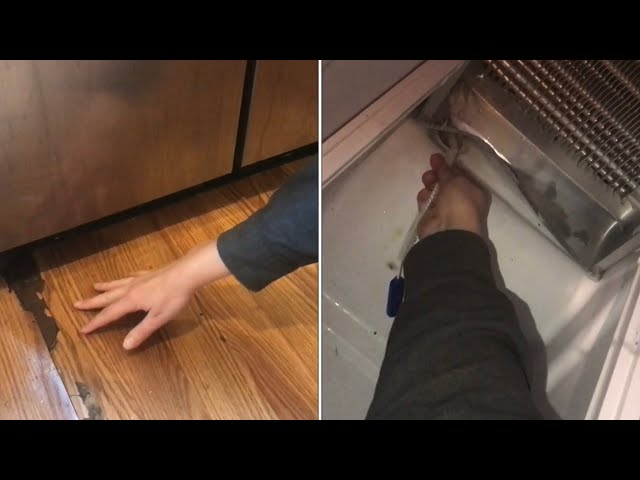
Discovering water leaking from under your fridge freezer can be a frustrating and concerning issue. It’s not just a minor inconvenience; a persistent leak can damage your flooring, create a potential slip hazard, and even lead to mold growth. Often, this problem surfaces after a defrost cycle or when the fridge is working harder than usual. Addressing the leak promptly is crucial to prevent further damage and ensure your appliance operates efficiently. Ignoring the problem can lead to bigger, more expensive repairs down the line.
Common Causes of Water Leaking From Under Fridge Freezer
Here are some of the most frequent reasons why your fridge freezer might be leaking:
- Clogged Defrost Drain: This is the most common culprit. The defrost drain carries away water from the automatic defrost cycle. When it gets clogged with food particles or ice, water overflows and leaks.
- Frozen Defrost Drain: In colder climates, the drain line can freeze and prevent water flow.
- Faulty Defrost System: A malfunctioning defrost heater or timer can cause excessive ice buildup, leading to overflow and leaks.
- Cracked or Leaky Water Line: If your fridge has an ice maker or water dispenser, the water line supplying it could be cracked or have a loose connection.
- Loose Water Filter: A poorly installed or damaged water filter can leak water.
- Damaged Drain Pan: The drain pan under the fridge catches water from the defrost cycle. If it’s cracked or overflowing, water will leak.
- Door Seal Issues: A worn or damaged door seal allows warm air to enter, causing the fridge to work harder and produce more condensation, which can lead to leaks.
- Overfilled Ice Maker: A malfunctioning ice maker can overfill, resulting in water spilling and eventually leaking from under the fridge.
- Condensation: Excessive condensation, especially in humid environments, can sometimes accumulate and drip down.
Symptoms Checklist
Check these indicators to accurately identify the source of the problem:
- Puddle of water underneath the fridge freezer.
- Water dripping from inside the freezer compartment.
- Excessive ice buildup in the freezer.
- Water stains on the floor near the fridge.
- Unusual noises coming from the fridge.
- Ice maker not working properly or overflowing.
- Visible cracks or damage to the drain pan or water lines.
- Dampness or mold growth around the fridge area.
How to Fix Water Leaking From Under Fridge Freezer Step-by-Step Guide
- Unplug the Fridge: For safety, always unplug the fridge before starting any troubleshooting.
- Locate the Defrost Drain: Usually found on the back wall of the freezer compartment, near the bottom. Consult your fridge’s manual if you’re unsure.
- Melt Any Ice Buildup: Use a hairdryer (on a low setting) to gently melt any ice blocking the drain. Be careful not to overheat any plastic parts.
- Flush the Drain with Warm Water: Use a turkey baster or a syringe to flush the drain with warm water.
- Use a Drain Clearing Tool: A flexible wire, pipe cleaner, or even a straightened coat hanger can be used to dislodge any debris clogging the drain. Gently insert and twist the tool to break up the blockage.
- Check the Drain Pan: Locate the drain pan (usually at the bottom or back of the fridge). Remove it and inspect it for cracks or damage. Clean the pan thoroughly.
- Inspect the Water Line (If Applicable): If your fridge has an ice maker or water dispenser, check the water line for leaks or cracks. Tighten any loose connections.
- Check the Water Filter (If Applicable): Make sure the water filter is properly installed and tightened. Replace the filter if it’s old or damaged.
- Examine the Door Seals: Inspect the door seals for damage or wear. Clean them with warm, soapy water. You can also try applying a thin layer of petroleum jelly to help them seal better.
- Test the Defrost System: (This is more advanced). If you suspect a faulty defrost system, you may need a multimeter to test the defrost heater and timer. Consult your fridge’s service manual or a professional technician for guidance.
- Reassemble and Plug In: Once you’ve addressed all potential causes, reassemble the fridge and plug it back in.
- Monitor for Leaks: Observe the fridge for the next 24-48 hours to see if the leak has stopped.
- Clean Up: Dry any spilled water to prevent slips or further damage.
Fix the Issue Without Buying Parts
Often, you can resolve the leak without needing to purchase replacement parts:
- Reset the Fridge: Unplug the fridge for 30 minutes to reset the system and potentially clear minor errors.
- Thorough Cleaning: Clean the interior of the fridge regularly to prevent food particles from clogging the drain.
- Proper Food Storage: Ensure food is properly sealed to reduce condensation and moisture buildup.
- Regular Inspection: Periodically check the drain pan and water lines for any signs of leaks or damage.
When Replacement Might Be Necessary
If the leak persists after trying all the troubleshooting steps, a replacement part might be needed. Common failing parts include the defrost heater (estimated cost: $30-$70), the defrost timer ($20-$50), the drain pan ($15-$40), or the water line ($10-$30). If the main water valve is broken, cost can be around $50-$100.
Safety Warning
- Always unplug the fridge before performing any repairs.
- Be careful when using electrical tools like hairdryers near water.
- Wipe up any spilled water immediately to prevent slips.
- If you’re uncomfortable working with electrical components, consult a qualified technician.
Tools You May Need
- Screwdrivers (Phillips and flathead)
- Adjustable wrench
- Turkey baster or syringe
- Flexible wire or pipe cleaner
- Hair dryer (on low setting)
- Multimeter (for testing electrical components – optional)
- Gloves
FAQ
Here are some frequently asked questions about fridge freezer leaks:
- Q: Why is my fridge leaking after a power outage? A: A power outage can cause ice to melt and clog the defrost drain. Follow the steps above to clear the drain.
- Q: How often should I clean the defrost drain? A: It’s a good idea to clean the defrost drain every 6 months to prevent clogs.
- Q: Can I use bleach to clean the drain pan? A: Yes, you can use a diluted bleach solution to disinfect the drain pan. Rinse it thoroughly afterward.
- Q: What if the water is coming from the ice maker? A: Check the water line connections to the ice maker and make sure they are tight. Also, inspect the ice maker itself for cracks or damage.
Conclusion
Don’t panic if you find water leaking from under your fridge freezer! By following these simple troubleshooting steps, you can often identify and fix the problem yourself, saving time and money. Remember to prioritize safety and take your time. If you’ve tried everything and the leak persists, it might be time to call a qualified appliance technician for assistance. Good luck!
Youtube Video:
Looking for more useful options?
Check out recommended resources that others find helpful.