Introduction
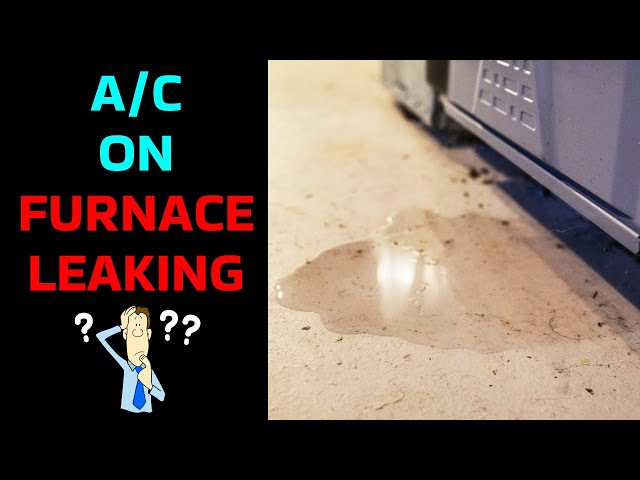
Discovering water leaking from under your air conditioning unit can be alarming. It’s a common problem that homeowners face, especially during periods of high humidity. While a small amount of condensation is normal, a consistent leak signifies an underlying issue that needs prompt attention. Ignoring a water leak can lead to mold growth, water damage to your floors and walls, and even electrical problems. This guide provides simple, step-by-step instructions to help you troubleshoot and address the problem before it escalates.
Common Causes of Water Leaking From Under AC Unit
Several factors can contribute to water leaking from under your AC unit. Here are some of the most common:
- Clogged Drain Line: This is the most frequent culprit. Condensation produced by the AC needs to drain properly, but the drain line can become blocked with algae, mold, or debris.
- Dirty Air Filter: A dirty air filter restricts airflow, causing the evaporator coil to freeze. As the ice melts, it overflows the drain pan.
- Low Refrigerant: Low refrigerant can also cause the evaporator coil to freeze, leading to similar problems as a dirty filter.
- Broken Drain Pan: The drain pan catches the condensation. If it’s cracked or rusted, water will leak.
- Improper Installation: If the AC unit wasn’t installed correctly, the drain line might not be properly sloped, preventing proper drainage.
- High Humidity: Extremely humid conditions can overwhelm the AC unit’s ability to manage condensation, leading to some overflow.
- Kinked or Disconnected Drain Line: The drain line itself may have kinks or become detached from the AC unit or drain outlet, causing leakage.
- Blocked Condensate Pump: Some units use a condensate pump to push water upwards to a drain. These pumps can fail or become blocked.
Symptoms Checklist
Before you start troubleshooting, use this checklist to identify the specific symptoms you’re experiencing:
- Water pooling around the indoor AC unit.
- Water stains on the ceiling below the AC unit (if it’s located in an attic or upper floor).
- Musty odor coming from the AC unit or surrounding area.
- The AC unit is running constantly but not cooling effectively.
- Visible ice buildup on the evaporator coil.
- Water leaking even when the AC unit is turned off (indicates drain pan issue).
- Dripping sound coming from inside the unit.
How to Fix Water Leaking From Under AC Unit Step-by-Step Guide
- Turn off the AC unit: For safety, turn off the AC unit at the thermostat and the breaker.
- Locate the drain line: This is usually a PVC pipe located near the indoor unit. It often exits the house or drains into a plumbing fixture.
- Check for clogs: Look for any visible blockages in the drain line opening.
- Flush the drain line: Use a wet/dry vacuum to suck out any clogs. Place the vacuum hose over the drain line opening and create a tight seal. Run the vacuum for a few minutes.
- Pour vinegar into the drain line: Pour about a cup of white vinegar into the drain line to kill any algae or mold. Let it sit for about 30 minutes.
- Flush with water: After the vinegar sits, flush the drain line with water to remove any remaining debris. You can use a garden hose on a low setting.
- Check the air filter: Remove and inspect the air filter. If it’s dirty, replace it with a new one.
- Inspect the drain pan: Check the drain pan for cracks, rust, or overflows. If it’s damaged, it will eventually need replacing.
- Thaw a frozen coil: If you suspect a frozen coil, turn off the AC and let the ice melt completely. This may take several hours. A fan can speed up the process.
- Check condensate pump (if applicable): Locate the condensate pump (usually near the indoor unit). Ensure it’s plugged in and functioning. Clean the pump reservoir of any debris.
- Ensure proper sloping of the drain line: The drain line needs to slope downwards to allow gravity to assist with drainage. If it’s not sloped correctly, adjust it if possible.
- Restart the AC unit: After completing these steps, turn the AC unit back on and monitor it for any further leaks.
- Monitor for recurrence: Even after fixing the issue, continue to monitor the area around the unit for a few days to ensure the leak doesn’t return.
Fix the Issue Without Buying Parts
Many leaks can be resolved without buying new parts. Regularly cleaning the drain line with vinegar or a wet/dry vacuum is crucial for maintenance. Cleaning or replacing the air filter on a regular schedule (every 1-3 months) will also help. Make sure the unit is level and the drain line slopes correctly. Resetting the AC unit by turning it off and on can sometimes resolve minor issues.
When Replacement Might Be Necessary
If the drain pan is severely damaged, it will eventually need to be replaced. A cracked drain pan might cost between $50-$200. If the refrigerant is consistently low, you will need a qualified AC technician to find and repair the leak. Low refrigerant problems, if ignored, can lead to compressor failure which is much more expensive. Condensate pumps typically cost between $50-$150 for replacement.
Safety Warning
- Always turn off the power to the AC unit before performing any maintenance.
- Avoid standing in water while working with electrical appliances.
- Be careful when using a wet/dry vacuum near water.
- If you are uncomfortable working with electrical components, call a qualified technician.
- Be cautious when handling the drain line to avoid spills. Have towels ready to clean up any water.
Tools You May Need
- Wet/dry vacuum
- Screwdriver
- White vinegar
- Bucket
- Towels
- Air filter (replacement)
- Garden hose (optional)
FAQ
Here are some frequently asked questions about water leaks from AC units:
- Q: How often should I clean the drain line? A: At least twice a year, or more often if you notice signs of clogging.
- Q: Can a dirty air filter cause a water leak? A: Yes, a dirty air filter can cause the evaporator coil to freeze and leak.
- Q: Is it safe to use bleach to clean the drain line? A: It’s generally not recommended as it can corrode the drain line over time. Vinegar is a safer alternative.
- Q: How do I know if my AC unit has low refrigerant? A: Signs of low refrigerant include weak airflow, ice buildup on the coils, and the unit running constantly without cooling effectively. Contact a qualified technician to check and recharge the refrigerant.
Conclusion
Water leaking from under your AC unit can be a nuisance, but by following these troubleshooting steps, you can often identify and resolve the issue yourself. Regular maintenance, such as cleaning the drain line and replacing the air filter, is essential for preventing future problems. If you’re uncomfortable performing these tasks or if the problem persists, don’t hesitate to contact a qualified AC technician for assistance. Addressing the issue early can save you from costly repairs and ensure your AC unit operates efficiently for years to come.
Youtube Video:
Looking for more useful options?
Check out recommended resources that others find helpful.