Introduction
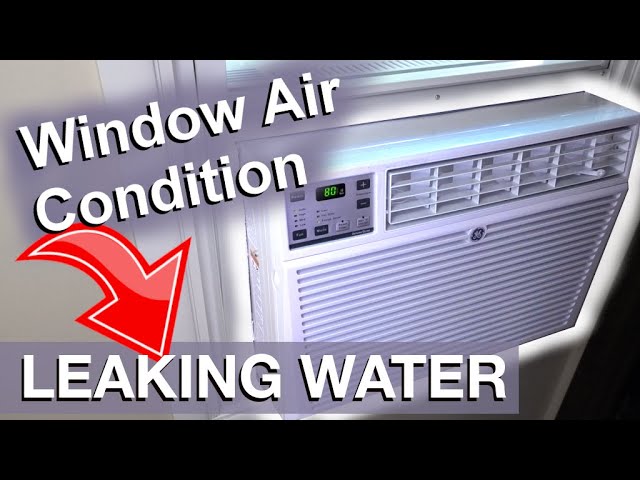
A window AC unit leaking water is a common problem, especially during hot and humid weather. While it might seem alarming, it’s often a simple issue with an easy fix. Ignoring the leak can lead to water damage inside your home, mold growth, and even reduced cooling efficiency of your AC. So, it’s important to address the problem quickly.
Common Causes of Water Leaking from AC Window Unit
Here are some typical reasons why your window AC might be leaking:
- Clogged Drain Hole: This is the most frequent cause. The drain hole allows condensation to escape outside. When blocked, water overflows.
- Dirty Air Filter: A clogged filter restricts airflow, causing the evaporator coil to freeze. When the ice melts, it overwhelms the drainage system.
- Incorrect Installation Angle: Window AC units should be slightly tilted outwards to allow proper drainage.
- Damaged Drain Pan: The drain pan collects condensation. If cracked or rusted, it will leak.
- Low Refrigerant: While less common, low refrigerant can cause the evaporator coil to freeze, leading to excess water when it melts.
- Humid Weather: Extremely humid conditions can produce more condensation than the unit is designed to handle.
- Dirty Evaporator Coils: Dust and debris on the evaporator coils can hinder drainage and cause ice buildup.
- Kinked or Blocked Drain Hose (if applicable): Some units have a drain hose for removing excess water. A kink or blockage prevents proper drainage.
Symptoms Checklist
Here’s how to identify if your leaking AC needs attention:
- Water dripping from the front of the unit.
- Water leaking inside your room.
- Excessive water collecting in the drain pan.
- Ice forming on the coils inside the unit.
- The AC unit is making strange noises.
- Reduced cooling performance.
How to Fix Water Leaking from AC Window Unit Step-by-Step Guide
Follow these steps to troubleshoot and fix the issue:
- Safety First: Unplug the AC unit from the power outlet before starting any repairs.
- Inspect the Air Filter: Remove the air filter and check for dirt and debris. Clean or replace it if necessary. A dirty filter restricts airflow.
- Check the Drain Hole (Outside): Locate the drain hole on the outside of the unit. Use a straightened paper clip, pipe cleaner, or small wire to gently clear any obstructions.
- Check the Drain Hole (Inside): Some units have a drain hole on the inside near the bottom of the AC. Clear this one as well.
- Inspect the Installation Angle: Make sure the AC unit is slightly tilted outwards. Use shims or pieces of wood to adjust the angle if needed.
- Clean the Drain Pan: If you can access the drain pan (usually located at the bottom of the unit), remove any standing water and debris. You might need to partially disassemble the unit.
- Check the Drain Hose (if applicable): If your unit has a drain hose, ensure it’s not kinked, blocked, or improperly positioned. Make sure it’s draining into a suitable container or outside.
- De-ice the Coils (if needed): If you suspect frozen coils, turn off the AC unit and let the ice melt completely. This may take several hours. You can speed up the process with a fan.
- Clean the Evaporator Coils: After the ice has melted, clean the evaporator coils with a brush or vacuum cleaner attachment to remove dust and debris.
- Inspect for Damage: Carefully examine the drain pan, hoses, and other components for any cracks, holes, or signs of damage.
- Reassemble the Unit: Carefully reassemble all the components you removed.
- Plug in the AC: Plug the AC unit back into the power outlet.
- Monitor for Leaks: Run the AC unit and monitor for any signs of water leakage.
- Check Condensation: Observe if the water is dripping outside. It should drain properly without overflowing inside.
Fix the Issue Without Buying Parts
Before considering replacement, try these free solutions:
- Reset the AC: Unplug the unit for 15 minutes to reset the system.
- Deep Cleaning: Thoroughly clean the unit, focusing on the filter, coils, and drain pan.
- Angle Adjustment: Double-check the installation angle for proper drainage.
- Regular Maintenance: Clean the air filter every month and inspect the unit regularly for any signs of problems.
When Replacement Might Be Necessary
If the drain pan is severely damaged, if the unit continues to leak after following these steps, or if the AC unit is old and inefficient, replacement might be the best option. Expect to pay between $150 and $400 for a new window AC unit, depending on its size and features. Common parts that might fail include the drain pan, the compressor, or the fan motor. However, leaking is often not tied to parts failing internally, but related to drainage issues.
Safety Warning
- Always unplug the AC unit before performing any maintenance or repairs.
- Be careful when working with electrical components.
- Avoid touching any sharp edges or internal parts.
- Ensure the floor around the AC unit is dry to prevent slips and falls.
- If you are not comfortable performing these repairs yourself, consult a qualified technician.
Tools You May Need
- Screwdriver (Phillips and flathead)
- Paper clip or pipe cleaner
- Brush or vacuum cleaner attachment
- Cleaning solution (mild soap and water)
- Shims or pieces of wood
- Gloves
FAQ
Here are some frequently asked questions about leaking AC units:
- Q: Why is my AC leaking even after I cleaned the filter? A: There might be a clog in the drain hole or the installation angle is incorrect.
- Q: How often should I clean my AC filter? A: At least once a month, or more often if you have pets or allergies.
- Q: Is it normal for my AC to drip water outside? A: Yes, that’s the condensation draining properly.
- Q: Can I use bleach to clean the AC coils? A: No, bleach can damage the coils. Use a mild soap and water solution.
Conclusion
Don’t let a leaky AC ruin your comfort! By following these troubleshooting steps, you can often fix the problem yourself and save money on expensive repairs. If the issue persists, don’t hesitate to call a qualified technician for assistance. Start by doing DIY checks!
Youtube Video:
Looking for more useful options?
Check out recommended resources that others find helpful.