Introduction
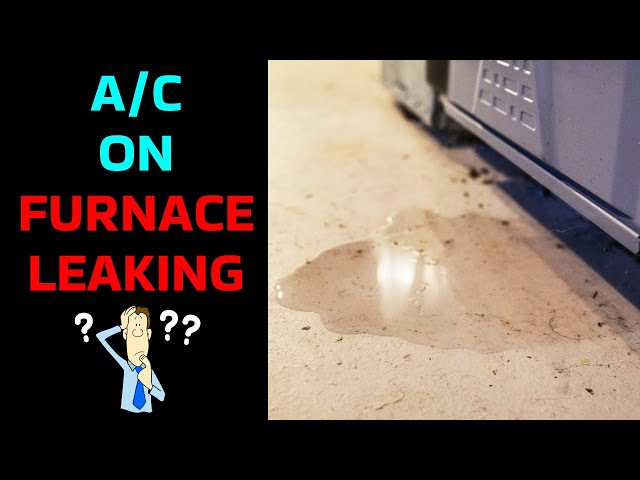
Discovering a water leak when your AC is running can be frustrating and concerning. It often happens during periods of high humidity when your AC is working hard to cool your home. While a small amount of condensation is normal, a persistent leak could indicate a problem that, if left unaddressed, can lead to water damage, mold growth, and reduced AC efficiency. It’s important to investigate the source of the leak promptly to prevent further issues.
Common Causes of Water Leak When AC On
Here are some common reasons why your AC might be leaking water:
- Clogged Condensate Drain Line: This is the most frequent culprit. The drain line carries water away from the AC unit. When it gets blocked with algae, dust, or debris, the water backs up and overflows.
- Dirty Air Filter: A clogged air filter restricts airflow, causing the evaporator coil to freeze. When the ice melts, it drips excessively.
- Low Refrigerant: Insufficient refrigerant can also cause the evaporator coil to freeze. The melting ice produces more water than the system is designed to handle.
- Broken or Cracked Drain Pan: The drain pan collects water from the evaporator coil. If it’s damaged, it can leak.
- Improper AC Installation: If the AC unit wasn’t installed correctly, the drain line might not be properly sloped, leading to water accumulation.
- High Humidity: Extremely humid weather can overwhelm the system’s ability to remove moisture, resulting in a larger volume of condensation.
- Damaged Evaporator Coil: Although less common, a damaged or corroded evaporator coil can also contribute to leaks.
- Kinked or Disconnected Drain Line: The drain line could be kinked restricting the water flow or disconnected leading to water leak at that joint.
Symptoms Checklist
Check for these symptoms to help diagnose the problem:
- Water dripping from the indoor AC unit (furnace or air handler).
- Water stains on the ceiling or walls near the AC unit.
- Musty or moldy odors in the area around the AC.
- Standing water near the outdoor AC unit.
- AC unit is not cooling as effectively as usual.
- Visible ice forming on the refrigerant lines.
How to Fix Water Leak When AC On Step-by-Step Guide
Follow these steps to troubleshoot and potentially fix the water leak:
- Turn Off the AC: Before starting any work, switch off your AC unit at the thermostat and turn off the breaker to the indoor unit. This is crucial for safety.
- Locate the Condensate Drain Line: This is usually a PVC pipe located near your indoor AC unit. It often exits your house to the outside.
- Check for Clogs: Visually inspect the drain line opening. You might see algae or debris.
- Clear the Drain Line with a Wet/Dry Vacuum: Place the vacuum hose over the drain line opening and turn on the vacuum to suck out any clogs. Do this for a few minutes.
- Flush the Drain Line with Vinegar: Pour a cup of white vinegar down the drain line. Vinegar helps dissolve algae and other buildup. Let it sit for about 30 minutes.
- Flush Again: After 30 minutes, pour a cup of water down the drain line to flush out the vinegar and any remaining debris.
- Check the Air Filter: Remove and inspect your AC air filter. If it’s dirty, replace it with a new one.
- Inspect the Drain Pan: Locate the drain pan beneath the indoor AC unit. Check for cracks, rust, or standing water. If the pan is overflowing, try to empty it with a towel or small container.
- Check for Ice: If you see ice on the evaporator coil, let it thaw completely before restarting the AC. Thawing could take several hours. Turn the fan setting to “on” to help accelerate the thawing process.
- Reconnect Drain Line: If the drain line was disconnected, re-attach and make sure it’s secured tightly with clamps or tape if necessary.
- Ensure Proper Slope: Make sure the drain line slopes downwards away from the AC unit to ensure proper drainage.
- Test the AC: Turn the breaker back on, turn the AC back on at the thermostat, and observe for leaks. Run the AC for at least 30 minutes to see if the problem is resolved.
- Monitor the Area: Keep an eye on the area around the AC unit for any new leaks.
Fix the Issue Without Buying Parts
Before buying any parts, try these free methods:
- Reset the AC: Turn off the AC for 30 minutes and then turn it back on. This can sometimes resolve minor issues.
- Regular Cleaning: Clean the area around the AC unit and regularly replace the air filter (every 1-3 months).
- Check the Thermostat: Ensure the thermostat is set correctly and the fan is on “Auto” if you don’t want it running continuously.
- Inspect for Obstructions: Make sure there are no obstructions blocking airflow around the AC unit.
- Maintain the Outdoor Unit: Clear any leaves, grass, or debris from around the outdoor AC unit to ensure proper airflow.
When Replacement Might Be Necessary
If the above steps don’t resolve the leak, replacement of parts might be necessary. A cracked drain pan or a severely damaged evaporator coil usually require replacement. Low refrigerant requires a professional to diagnose and recharge the system and find the leak. Drain pan replacement can cost $100-$300, while evaporator coil replacement can range from $500-$2000 depending on the unit. Refrigerant recharge can be between $200-$800, depending on the type of refrigerant.
Safety Warning
- Always turn off the power to the AC unit at the breaker before performing any maintenance.
- Avoid contact with electrical components when the power is on.
- Be careful of wet floors, which can be slippery.
- If you are not comfortable working with electrical or mechanical systems, contact a qualified HVAC technician.
Tools You May Need
- Wet/dry vacuum
- White vinegar
- Screwdriver
- Adjustable wrench
- New air filter
- Towels
- Flashlight
FAQ
Here are some frequently asked questions:
- Q: Why is my AC leaking even after I cleaned the drain line? A: There may be a crack in the drain pan, or the evaporator coil might be frozen.
- Q: How often should I clean my AC drain line? A: It’s recommended to clean your AC drain line at least once a year, or more often if you notice signs of clogging.
- Q: Can I use bleach instead of vinegar to clean the drain line? A: While bleach can be used, it’s generally not recommended as it can corrode metal components in the AC system. Vinegar is a safer alternative.
- Q: When should I call a professional? A: If you’ve tried the troubleshooting steps and the leak persists, or if you suspect a refrigerant leak or other major issue, it’s best to call a qualified HVAC technician.
Conclusion
Dealing with a water leak from your AC unit can be a hassle, but by following these steps, you can often diagnose and resolve the issue yourself. Remember to prioritize safety and take your time. If you’re uncomfortable with any part of the process, don’t hesitate to contact a qualified HVAC technician for assistance. Most of the time simple cleaning and proper maintenance can get you back up and running without a hefty bill.
Youtube Video:
Looking for more useful options?
Check out recommended resources that others find helpful.