Introduction
It’s normal to see water dripping from your air conditioning unit. This condensation is a byproduct of the cooling process. When you don’t see water dripping, it can indicate a problem. This could be as simple as high humidity, or as serious as a blockage in the drain line, or even a frozen coil. Ignoring the issue can lead to water damage inside your home or further damage to your AC system. Therefore, it’s important to investigate and address the cause promptly.
Common Causes of Water is Not Dripping From AC
Several factors can lead to the absence of dripping water from your AC unit:
- Low Humidity: During drier weather, your AC simply produces less condensation.
- Clogged Drain Line: This is the most common reason. Algae, mold, and debris can build up and block the drain line.
- Frozen Evaporator Coils: A lack of airflow can cause the coils to freeze, stopping condensation.
- Dirty Air Filter: A clogged filter restricts airflow, contributing to frozen coils.
- Low Refrigerant: Insufficient refrigerant can also lead to freezing.
- Kinked or Damaged Drain Line: A kink can prevent water from flowing freely.
- Incorrect Installation: A poorly sloped drain line won’t drain correctly.
- Recent AC Usage Changes: A recent change in how often or how long you run your AC.
- Drain Pan Issues: A crack in the pan, or the pan’s location if moved.
Symptoms Checklist
Look for these indicators to accurately identify the issue:
- No water dripping from the AC unit while it’s running.
- Water stains on your ceiling or walls near the AC unit.
- A musty or moldy odor coming from your vents.
- The AC unit is running, but the house isn’t cooling properly.
- Ice forming on the AC unit.
- Standing water around the indoor or outdoor unit.
- The AC is making unusual noises (gurgling, hissing, or bubbling).
How to Fix Water is Not Dripping From AC Step-by-Step Guide
Follow these steps to troubleshoot and fix the problem:
- Check the Air Filter: Replace a dirty air filter with a new one. This improves airflow and prevents coils from freezing.
- Turn Off the AC: Turn off your air conditioner to allow any frozen coils to thaw. This may take several hours.
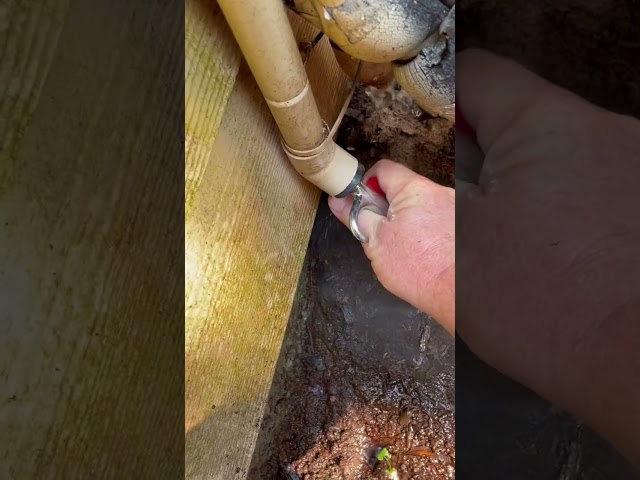
- Locate the Drain Line: The drain line is usually a PVC pipe that exits the indoor AC unit. It often leads to an outside wall or into a drain.
- Check the Drain Line for Obstructions: Visually inspect the drain line for kinks or damage. Straighten any kinks.
- Clear the Drain Line with a Wet/Dry Vacuum: Attach the vacuum hose to the end of the drain line outside your home. Turn on the vacuum to suck out any clogs.
- Flush the Drain Line with Vinegar: Pour a cup of white vinegar down the drain line. Vinegar helps dissolve algae and mold. Let it sit for 30 minutes, then flush with water.
- Locate and Inspect the Drain Pan: Find the drain pan beneath the indoor unit. Check if it’s full of water, cracked, or tilted. Empty the pan if needed. Ensure it’s level for proper drainage.
- Check the Condensate Pump (if applicable): Some AC units use a condensate pump to remove water. Make sure the pump is plugged in and functioning correctly. You might hear it run and pump if working.
- Reassemble and Test: Reconnect any parts you disconnected, and turn the AC back on. Monitor for dripping water.
- Observe the AC Performance: After turning the AC back on, monitor its performance for several hours. Check if the house is cooling properly and if water is dripping from the drain line.
- Repeat Cleaning (if necessary): If the problem persists, repeat the drain line cleaning process. A stubborn clog may require multiple attempts.
Fix the Issue Without Buying Parts
Here are some free methods to try:
- Reset Your AC: Turn off the AC unit at the breaker for 30 minutes, then turn it back on. This can sometimes reset the system and resolve minor issues.
- Regular Cleaning: Clean your air filter monthly and flush the drain line with vinegar every few months to prevent clogs.
- Inspect Regularly: Visually inspect the drain line, drain pan, and air filter regularly for any signs of problems.
- Proper Thermostat Setting: Don’t set your thermostat too low, as this can cause the unit to overwork and freeze up.
When Replacement Might Be Necessary
If you’ve tried all the troubleshooting steps and the issue persists, replacement of certain parts or even the entire unit might be necessary. Common parts that fail include the condensate pump (estimated cost: $50-$150 USD), the drain pan ($30-$100 USD), or the evaporator coils (requiring professional service, ranging from $500 – $2000 depending on the unit). If the AC unit is old or severely damaged, replacing the entire unit (ranging from $3,000-$7,000 USD) might be the most cost-effective option. Consult with a qualified HVAC technician for a professional assessment.
Safety Warning
Follow these safety precautions during troubleshooting:
- Unplug the AC unit from the power source before performing any maintenance or repairs.
- Avoid working with wet floors or standing water to prevent electric shock.
- Be careful when handling tools to avoid injury.
- If you’re uncomfortable with any of the steps, consult with a qualified HVAC technician.
Tools You May Need
Here’s a list of tools that might be helpful:
- Wet/dry vacuum
- White vinegar
- Screwdriver
- Pliers
- Bucket
- Flashlight
FAQ
Here are some frequently asked questions:
-
Q: How often should I clean my AC drain line?
A: Ideally, you should flush the drain line with vinegar every 3-6 months. -
Q: Why is my AC freezing up?
A: Common causes include a dirty air filter, low refrigerant, or blocked airflow. -
Q: Can I use bleach to clean the drain line?
A: It’s generally not recommended, as bleach can damage some drain lines and potentially create toxic fumes when mixed with other chemicals. Vinegar is a safer alternative. -
Q: How do I know if my AC unit needs refrigerant?
A: Signs of low refrigerant include poor cooling performance, ice formation on the unit, and hissing noises. Consult with a qualified HVAC technician to diagnose and recharge the refrigerant. -
Q: My AC unit runs but blows warm air. What could be the problem?
A: This could be due to several issues, including a dirty air filter, frozen coils, low refrigerant, or a malfunctioning compressor.
Conclusion
Troubleshooting your AC unit can seem daunting, but with this guide, you can confidently diagnose and address the issue of no water dripping. Remember to prioritize safety and follow the steps carefully. If you’ve tried these methods and the problem persists, don’t hesitate to call a qualified HVAC technician for professional assistance. By taking a proactive approach, you can save money on costly repairs and ensure your AC unit operates efficiently.
Youtube Video:
Looking for more useful options?
Check out recommended resources that others find helpful.