Introduction
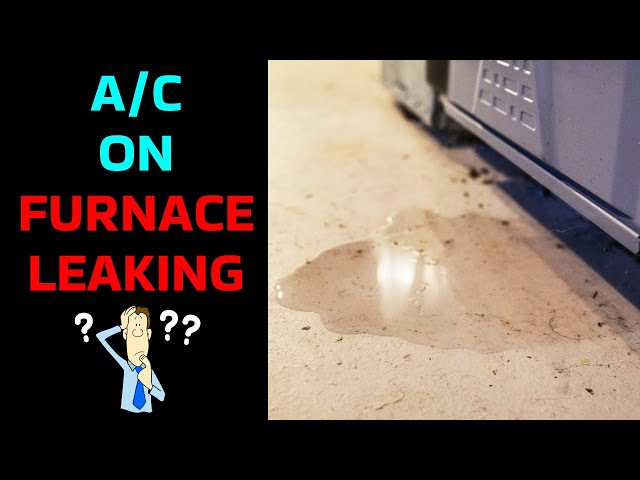
Finding water near your furnace when your air conditioner is running can be alarming. This usually indicates a problem with your AC’s condensation drainage system, leading to water backing up and potentially damaging your furnace and surrounding areas. It’s important to address this issue promptly to prevent mold growth, rust, and costly repairs. Ignoring the problem can lead to significant damage to your HVAC system and even your home’s structure. Don’t panic, this guide will help you troubleshoot the problem.
Common Causes of water in furnace from air conditioner
Here are some common reasons why you might find water near your furnace when using your AC:
- Clogged Condensate Drain Line: This is the most frequent cause. Algae, mold, and debris can build up inside the drain line, blocking the flow of water.
- Broken or Disconnected Drain Line: The drain line itself could be cracked, disconnected, or damaged, causing water to leak out.
- Clogged Condensate Pump: Some systems use a pump to move condensate water. If the pump is clogged or malfunctioning, water can overflow.
- Dirty Air Filter: A dirty air filter restricts airflow, causing the evaporator coil to get too cold and freeze. When the ice melts, it overwhelms the drainage system.
- Low Refrigerant Levels: Low refrigerant can also cause the evaporator coil to freeze, leading to excessive water when it melts.
- Improperly Sloped Drain Line: If the drain line isn’t properly sloped, water can pool and eventually back up into the system.
- Cracked or Rusted Drain Pan: The drain pan underneath the evaporator coil can rust or crack over time, causing leaks.
- Leaky Evaporator Coil: While less common, a leak in the evaporator coil itself can contribute to excess water.
Symptoms Checklist
Check if you’re experiencing any of these signs:
- Water pooling around your furnace and/or air conditioner unit.
- A musty or moldy odor coming from the area around the furnace.
- Visible mold or mildew growth near the unit.
- The furnace making unusual noises during AC operation.
- Your AC not cooling as effectively as usual.
- Water stains on the ceiling near the furnace.
How to Fix water in furnace from air conditioner Step-by-Step Guide
Follow these steps to troubleshoot and resolve the water issue:
- Turn Off the Power: Before starting any work, turn off the power to both your furnace and air conditioner at the breaker box. Safety first!
- Locate the Condensate Drain Line: This is usually a PVC pipe (typically white or gray) coming from your indoor AC unit (often near the furnace).
- Check for Obvious Obstructions: Visually inspect the drain line for any kinks, bends, or visible blockages.
- Clear the Drain Line with a Wet/Dry Vacuum: Attach the hose of a wet/dry vacuum to the end of the drain line outside the unit. Turn on the vacuum and let it run for several minutes to suck out any clogs.
- Flush the Drain Line with Vinegar: Pour a cup of white vinegar into the drain line opening (where the vacuum was attached). Let it sit for about 30 minutes to dissolve any remaining debris. Then, flush it with water.
- Inspect the Condensate Pump (If Applicable): If your system has a condensate pump, check its reservoir for debris. Clean the pump and reservoir if necessary. Ensure the pump is plugged in and functioning correctly.
- Check the Air Filter: A dirty air filter restricts airflow, contributing to the problem. Replace your air filter with a new one.
- Inspect the Drain Pan: Look for cracks or rust in the drain pan beneath the evaporator coil. If you find damage, it may need to be replaced.
- Ensure Proper Drain Line Slope: The drain line should slope downwards away from the unit to ensure proper drainage. Correct any areas where the line is sagging or sloping upwards.
- Check for Frozen Coils: If you suspect frozen coils, turn off the AC and let the ice melt completely. This may take several hours. Then, follow the steps above to clear the drain line.
- Pour water down the drain line After everything is completed, carefully pour water down the drain line from the inside and watch where the water comes out of the drain line outside. If it is flowing smoothly you resolved the issue.
- Reassemble and Test: Once you’ve addressed the potential causes, reassemble any parts you disassembled. Turn the power back on to both the furnace and AC. Run the AC and monitor for any leaks or water accumulation.
Fix the Issue Without Buying Parts
Often, you can resolve the problem without spending money:
- Regular Cleaning: Regularly flush the condensate drain line with vinegar every few months to prevent clogs.
- Air Filter Maintenance: Replace your air filter every 1-3 months, depending on usage and air quality.
- Visual Inspections: Periodically inspect the area around your furnace and AC for any signs of leaks or water damage.
- Condensate Pump Cleaning: Clean the condensate pump reservoir regularly to prevent debris buildup.
When Replacement Might Be Necessary
In some cases, replacement might be unavoidable:
- Cracked Drain Pan: A severely cracked or rusted drain pan will need to be replaced. Expect to pay between $100-$300 for the pan and installation.
- Faulty Condensate Pump: If the condensate pump is no longer functioning, it will need to be replaced. A new pump typically costs between $50-$150 plus installation.
- Leaky Evaporator Coil: A leak in the evaporator coil is a more complex issue and often requires professional repair or replacement, potentially costing $500-$2000 or more.
Safety Warning
- Always turn off the power to the furnace and AC before starting any work.
- Be careful when handling water, as it can create slip hazards. Wipe up any spills immediately.
- If you’re uncomfortable working with electrical components, call a qualified HVAC technician.
- Do not attempt to repair refrigerant leaks yourself. Refrigerant handling requires specialized equipment and training.
Tools You May Need
- Wet/Dry Vacuum
- Screwdriver
- White Vinegar
- Bucket
- Flashlight
- Gloves
FAQ
Here are some frequently asked questions:
-
Q: How often should I clean my condensate drain line?
A: Aim to clean it every 3-6 months to prevent clogs. -
Q: Can a clogged drain line damage my furnace?
A: Yes, water backup can lead to rust, corrosion, and electrical damage. -
Q: What if the drain line is still clogged after trying these steps?
A: You may need to call a professional HVAC technician to use specialized tools to clear the clog. -
Q: Why is my AC still dripping water after I cleaned the drain line?
A: Double-check for leaks in the drain pan or other connections. Ensure the drain line is properly sloped.
Conclusion
Dealing with water near your furnace from your air conditioner can seem daunting, but with a little troubleshooting, you can often resolve the issue yourself. By following these steps, you can identify the cause of the problem and take the necessary steps to fix it. Remember to prioritize safety and don’t hesitate to call a qualified HVAC technician if you’re uncomfortable or unable to resolve the problem on your own. Happy troubleshooting!
Youtube Video:
Looking for more useful options?
Check out recommended resources that others find helpful.