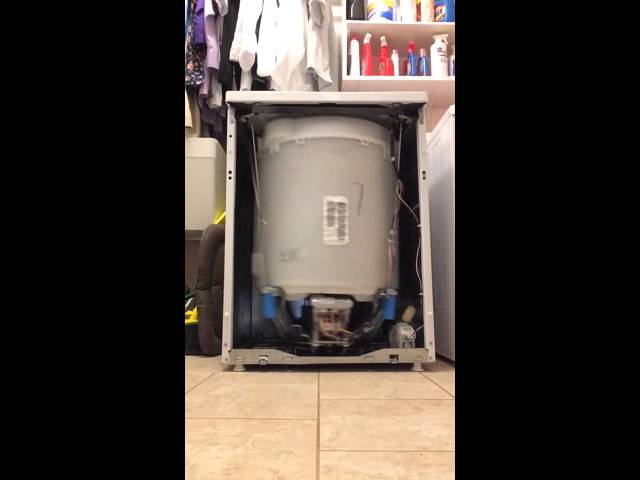
Introduction
A washing machine that’s getting louder during the spin cycle is a common problem that many homeowners face. It usually starts as a subtle increase in noise, but it can quickly escalate to a rattling, banging, or grinding sound that’s hard to ignore. This isn’t just annoying; it can also indicate a serious problem with your machine that could lead to more extensive and costly repairs down the line. Addressing the issue early can save you money and extend the lifespan of your washing machine. Plus, its simply nicer to do laundry when your machine isnt making a racket! The urgency depends on how loud the machine is; a slight increase might allow for a week or two before addressing, but a sudden loud noise requires immediate attention.
Common Causes of washing machine spin getting louder
Here are some common reasons why your washing machine spin cycle might be getting louder:
- Worn Drum Bearings: These bearings allow the drum to spin smoothly. As they wear down, they can cause a grinding or roaring noise.
- Unbalanced Load: Clothes bunched on one side of the drum create an uneven weight distribution, causing the machine to vibrate and make noise.
- Objects Stuck in the Drum: Small items like coins, buttons, or even socks can get trapped between the drum and the outer tub, creating a rattling or banging sound.
- Worn Drive Belt: If your machine uses a belt to drive the drum, the belt can stretch, crack, or fray, causing noise during the spin cycle.
- Suspension Rod Issues: These rods help stabilize the drum. If they are worn or broken, the drum can move excessively during the spin, leading to noise.
- Motor Coupling Failure: This connects the motor to the transmission. A failing coupling can cause a loud grinding or clicking sound.
- Drain Pump Issues: While primarily for draining, a failing pump can contribute to noise especially if partially blocked.
- Shipping Bolts Not Removed: If the washing machine is new and recently installed, ensure the shipping bolts (used to stabilize the drum during transport) have been removed.
Symptoms Checklist
Check for the following symptoms to help diagnose the problem:
- Grinding or roaring noise during the spin cycle.
- Rattling or banging sound.
- Excessive vibration of the washing machine.
- The washing machine “walking” or moving during the spin cycle.
- Visible rust or wear on the drum or surrounding components.
- Clothes are wetter than usual after the spin cycle.
- A burning smell emanating from the machine.
- The spin cycle takes longer than usual.
How to Fix washing machine spin getting louder Step-by-Step Guide
Follow these steps to troubleshoot the issue:
- Unplug the Washing Machine: Safety first! Disconnect the washing machine from the power outlet.
- Check for Unbalanced Loads: Run an empty load. If the noise is gone, the issue was likely an unbalanced load. Redistribute clothes evenly in future loads.
- Inspect the Drum: Carefully look inside the drum for any foreign objects like coins, buttons, or small clothing items. Remove any obstructions.
- Level the Washing Machine: Use a level to check if the machine is sitting evenly on the floor. Adjust the leveling feet until the machine is stable and level.
- Check the Suspension Rods: Open the top or rear panel (refer to your machines manual). Inspect the suspension rods for damage or wear. If they seem loose or broken, they may need replacement (though we’ll try fixes first).
- Inspect the Drive Belt (if applicable): If your machine has a belt, locate it (usually at the back). Check for cracks, fraying, or looseness.
- Check the Motor Coupling: Look for the motor coupling connecting the motor and transmission (refer to your machine’s manual to locate this). See if it is cracked or deteriorated.
- Clean the Drain Pump Filter: A clogged drain pump filter can cause the pump to work harder and make noise. Locate the filter (usually at the front bottom of the machine), and clean it thoroughly.
- Check for Drum Movement: With the machine unplugged, try to manually spin the drum. Listen for any grinding or scraping noises. Feel for any excessive play or wobble.
- Run a Diagnostic Cycle: Many modern washing machines have a diagnostic cycle that can help identify the source of the problem. Consult your owners manual for instructions on how to run the diagnostic cycle.
- Inspect the Shipping Bolts (New Machines Only): If you recently purchased the washing machine, double-check that all shipping bolts have been removed.
- Check Water Inlet Valve: Although rare, faulty valves can create unusual noises during the fill phase.
- Re-Level the Machine: Confirm the machine is still level after the above steps, as vibrations can sometimes shift it.
Fix the Issue Without Buying Parts
Before you consider buying replacement parts, try these free methods:
- Reset the Washing Machine: Unplug the machine for a few minutes and then plug it back in. This can sometimes reset the internal computer and resolve minor glitches.
- Deep Cleaning: Run an empty washing machine cycle with a washing machine cleaner to remove any build-up or residue that might be contributing to the noise.
- Check for Blockages: Carefully inspect the drain hose for any kinks or obstructions.
- Ensure Proper Loading: Always load the washing machine with the appropriate amount of clothing. Overloading or underloading can cause imbalances and noise.
- Recalibration (if applicable): Some washing machines have a recalibration feature that can help to reset the machine’s sensors and improve performance. Consult your owner’s manual for instructions.
When Replacement Might Be Necessary
If you’ve tried all the troubleshooting steps and the noise persists, it’s possible that a component needs to be replaced. The drum bearings are a common culprit. Replacement can be complex and might require special tools. Common failing parts include: Drum bearings ($50-$150), drive belt ($15-$40), suspension rods ($20-$60 each), and motor coupling ($10-$30). The total repair cost, including labor if you hire a technician, can range from $150 to $500. A new washing machine can range from $400 – $1200+ depending on features and brand.
Safety Warning
- Always unplug the washing machine before attempting any repairs.
- Be careful when handling sharp objects or tools.
- Wear gloves to protect your hands.
- If you’re not comfortable performing the repairs yourself, consult a qualified appliance repair technician.
- Keep children and pets away from the work area.
- Be aware of water on the floor and take steps to prevent slips and falls.
Tools You May Need
- Screwdrivers (Phillips and flathead)
- Pliers
- Adjustable wrench
- Level
- Gloves
- Shop towel or rags
- Socket set (optional, but helpful)
FAQ
Here are some frequently asked questions:
- Q: Why is my washing machine so loud only during the spin cycle? A: The spin cycle is when the drum rotates at its fastest speed, which exacerbates any underlying issues like worn bearings or unbalanced loads.
- Q: Can I still use my washing machine if it’s making a loud noise? A: It’s best to avoid using the machine until you’ve identified and resolved the problem. Continuing to use it could cause further damage.
- Q: How do I know if the drum bearings are bad? A: Signs of bad drum bearings include a grinding or roaring noise, excessive vibration, and the drum being difficult to spin manually.
- Q: Is it worth repairing a noisy washing machine, or should I just replace it? A: It depends on the age and condition of your machine, as well as the cost of the repair. If the machine is old and the repair is expensive, it might be more cost-effective to replace it.
- Q: What’s the most common cause of a washing machine making noise? A: Unbalanced loads are a very common cause of noise.
Conclusion
A loud washing machine spin cycle can be a frustrating problem, but by following this guide, you can hopefully diagnose and resolve the issue yourself. Remember to prioritize safety and take your time. If you’re uncomfortable performing the repairs yourself, don’t hesitate to contact a qualified appliance repair technician. Many issues can be solved with a bit of elbow grease and without needing to immediately call for professional (and expensive) help. Good luck!
Youtube Video:
Looking for more useful options?
Check out recommended resources that others find helpful.