
Introduction
A washing machine that won’t drain is a common household headache. Often, the culprit is a blocked pump. The pump is responsible for removing the water from your washing machine after each cycle. When it’s blocked, water remains in the drum, and your clothes stay soaking wet. This isn’t just inconvenient; standing water can lead to mold growth and damage to your washing machine. Addressing this issue promptly is important to avoid further problems and expensive repairs. This guide will walk you through how to troubleshoot and potentially fix a blocked washing machine pump yourself.
💡 Technical Key Takeaways:
- Core Focus: Diagnostic schematic and terminal connection layout for Washing Machine Pump Blocked.
- Target Scope: Field technicians, automotive DIYers, and residential/commercial electricians.
- Safety Rule: Always disconnect the primary power source/battery terminal and verify zero voltage with a multimeter before touching wires.
Common Causes of Washing Machine Pump Blocked
Here are some of the most frequent reasons why your washing machine pump might be blocked:
- Loose Change: Coins are a common culprit. They can slip out of pockets and end up lodging in the pump.
- Buttons: Like coins, buttons can detach from clothing and obstruct the pump.
- Lint Buildup: Over time, lint can accumulate and create a blockage, especially if you don’t regularly clean the lint filter.
- Small Socks or Underwear: These items can sometimes sneak past the drum and get caught in the drain system.
- Pet Hair: If you wash pet bedding or clothes with pet hair, it can clump together and clog the pump.
- Gravel or Sand: Dirt and debris from heavily soiled clothing can find their way into the pump.
- Paper or Tissues: Paper items left in pockets will disintegrate and contribute to clogs.
- Soap Residue: Excessive use of detergent can lead to soap buildup that restricts water flow.
- Bra Wires: Underwire bras are notorious for having wires that detach and block drains.
- Plant Matter: Small twigs or leaves on work clothes.
Symptoms Checklist
These signs indicate a potential washing machine pump blockage:
- Water remains in the washing machine drum after the cycle is complete.
- The washing machine makes a humming or buzzing noise during the drain cycle but doesn’t drain.
- The washing machine displays an error code related to draining or pump failure.
- The drain cycle takes much longer than usual.
- You notice a foul odor coming from the washing machine.
How to Fix Washing Machine Pump Blocked Step-by-Step Guide
Follow these steps to troubleshoot and clear a blocked washing machine pump:
- Safety First: Unplug the washing machine from the power outlet. This is crucial to prevent electric shock.
- Locate the Pump: Consult your washing machine’s user manual to find the pump’s location. It’s usually at the bottom front or back of the machine.
- Prepare for Water: Place towels around the washing machine and a shallow pan or container underneath the pump area to catch any spilled water.
- Access the Pump: Depending on your model, you might need to remove a front or back panel to access the pump. Use a screwdriver to carefully remove any screws.
- Locate the Drain Hose: There’s usually a small drain hose near the pump for manually draining the water.
- Drain the Water: Carefully pull out the drain hose and remove its plug (if any) and direct the hose into your pan. Let the water drain completely. You may need to hold the hose higher or lower to regulate the flow.
- Open the Pump Housing: Most pumps have a small access door or filter that you can open to inspect the pump. This might require a screwdriver or twisting motion.
- Inspect for Obstructions: Carefully look inside the pump housing for any visible obstructions like coins, buttons, lint, or other debris.
- Remove the Obstructions: Use your fingers, pliers, or tweezers to carefully remove any blockages. Be gentle to avoid damaging the pump impeller (the rotating part).
- Check the Impeller: Make sure the impeller spins freely. If it’s stuck, try gently rotating it with your finger or a screwdriver.
- Flush the Pump: After removing the debris, flush the pump housing with water to ensure any remaining small particles are cleared.
- Reassemble the Pump: Close the pump housing door or reattach the filter securely.
- Reconnect the Drain Hose: Reattach the drain hose and its plug.
- Reattach the Panel: Put the front or back panel back on and secure it with screws.
- Test the Washing Machine: Plug the washing machine back in and run a short test cycle to see if it drains properly.
Fix the Issue Without Buying Parts
Often, a simple cleaning or reset can solve the problem:
- Reset Your Washing Machine: Some machines can be reset. Unplug the machine for 1-2 minutes. Plug back in, and run a rinse and spin cycle.
- Clean the Lint Filter: Regularly cleaning the lint filter can prevent future blockages. Clean it every month, or more frequently if you wash a lot of lint-producing items.
- Inspect Hoses: Check the drain hose for kinks or bends that could restrict water flow.
- Maintenance Wash: Run an empty washing machine with hot water and a cup of white vinegar every few months to dissolve soap residue and prevent buildup.
When Replacement Might Be Necessary
If the pump is severely damaged or the impeller is broken, replacement might be required. A new washing machine pump typically costs between $50 and $200 USD, depending on the model. Parts that commonly fail include the impeller, the pump motor, and the housing itself. For more related activities, check out our Whirlpool Washer Loud Noise During Spin Cycle.
Safety Warning
- Always unplug the washing machine before performing any repairs.
- Be careful when handling water to avoid slips and falls.
- Do not attempt to repair the washing machine if you are not comfortable working with electrical appliances. Call a qualified technician.
- Avoid touching any electrical components inside the washing machine.
Tools You May Need
- Screwdriver (Phillips and flathead)
- Pliers or tweezers
- Towels
- Shallow pan or container
- Gloves (optional)
FAQ
Here are some frequently asked questions:
-
Q: How often should I clean my washing machine pump filter?
A: Ideally, clean the lint filter every month and inspect the pump filter every 3-6 months, depending on usage. -
Q: What if I can’t access the pump easily?
A: Consult your washing machine’s user manual for specific instructions on accessing the pump. If you’re still unsure, call a qualified technician. -
Q: Can I use a drain cleaner to clear a blocked pump?
A: It’s generally not recommended, as harsh chemicals can damage the pump and other components. Stick to manual cleaning. -
Q: My washing machine is still under warranty. Should I attempt to fix it myself?
A: No, attempting repairs yourself may void the warranty. Contact the manufacturer or retailer for warranty service.
Conclusion
Dealing with a blocked washing machine pump can be frustrating, but with a little patience and these step-by-step instructions, you can often resolve the issue yourself. Remember to prioritize safety and consult your washing machine’s user manual for specific guidance. If you’ve tried these steps and your washing machine still won’t drain, it might be time to call a qualified appliance repair technician. But by tackling the problem yourself first, you can potentially save time and money.
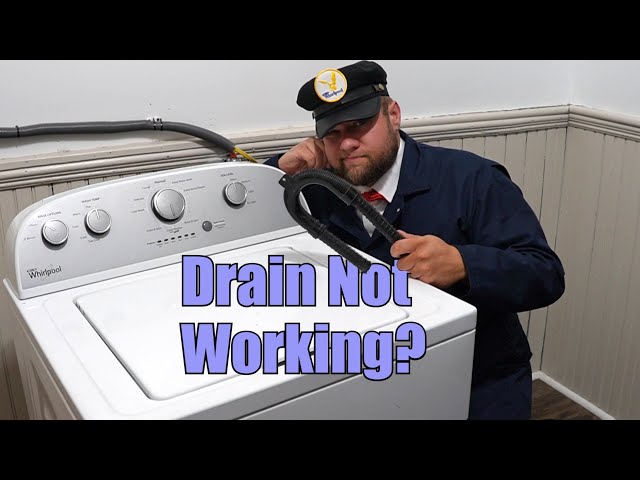
Youtube Video:
Quick Wiring Specifications & Terminal Guide
| Component / Circuit | Standard Wire Gauge | Recommended Protection |
|---|---|---|
| Control & Trigger Signals | 18 – 20 AWG | 5A – 7.5A Inline Fuse |
| Standard Auxiliary Load | 14 – 16 AWG | 15A – 20A Circuit Breaker |
| Main Power Feed / Supply | 10 – 12 AWG | 30A – 40A Heavy-Duty Relay |
Images References
Looking for more diagnostic guides? Explore our complete Washing Machine Problems 6 section for step-by-step troubleshooting solutions.
