
Introduction
A washing machine that refuses to pump out water is a common household headache. This issue not only prevents you from doing laundry, but it can also lead to unpleasant smells, potential water damage, and a major disruption to your routine. Addressing this problem promptly is essential to avoid further complications and get your washer working correctly again.
💡 Technical Key Takeaways:
- Core Focus: Diagnostic schematic and terminal connection layout for Washer Won T Pump Out Water.
- Target Scope: Field technicians, automotive DIYers, and residential/commercial electricians.
- Safety Rule: Always disconnect the primary power source/battery terminal and verify zero voltage with a multimeter before touching wires.
Common Causes of Washer Won’t Pump Out Water
Here are some of the most frequent reasons why your washer might be holding onto water:
- Clogged Drain Hose: The drain hose, which carries water away from the washer, can become blocked with lint, small objects, or debris.
- Clogged Drain Pump Filter: Most washers have a filter designed to catch lint and small items before they reach the pump. This filter can become clogged, preventing the pump from working effectively.
- Kinked or Twisted Drain Hose: A bend in the drain hose can restrict water flow.
- Failed Drain Pump: The pump itself could be malfunctioning due to wear and tear or electrical issues.
- Lid Switch Problems: Some washers won’t pump out water if the lid switch (which senses if the lid is closed) is faulty.
- Blocked Standpipe: The standpipe (the pipe where the drain hose empties) can become clogged.
- Overuse of Detergent: Too much detergent can create excessive suds, which can interfere with the pump’s ability to remove water.
- Air Lock: An air lock in the drain hose can prevent water from flowing freely.
Symptoms Checklist
Use this checklist to help pinpoint the problem:
- Washer is full of water after the wash cycle.
- Washer makes a humming noise but doesn’t drain.
- Washer displays an error code related to draining.
- Washer drains very slowly.
- Water backs up into the washing machine from the drain.
- The drain hose vibrates or jumps excessively during the drain cycle.
How to Fix Washer Won’t Pump Out Water Step-by-Step Guide
Follow these steps to troubleshoot and potentially fix your washer:
- Unplug the Washer: Safety first! Disconnect the washing machine from the power outlet.
- Locate the Drain Hose: This is usually found at the back of the washer.
- Inspect the Drain Hose for Kinks: Straighten out any kinks or twists.
- Check the Drain Hose Connection: Make sure the hose is securely attached to both the washer and the standpipe.
- Remove the Drain Hose from the Standpipe: Carefully detach the hose and check for blockages. You might need pliers to loosen the clamp.
- Clear the Standpipe: Use a plumber’s snake or a bent wire hanger to remove any clogs in the standpipe.
- Locate the Drain Pump Filter: Consult your washer’s manual to find its location. It’s usually at the front or bottom of the machine, behind a small access panel.
- Drain Remaining Water: Before removing the filter, place a shallow pan or towels underneath to catch any water that spills out.
- Remove and Clean the Drain Pump Filter: Carefully unscrew or unclip the filter. Remove any lint, debris, or small objects. Rinse the filter thoroughly.
- Reinstall the Drain Pump Filter: Securely replace the filter and close the access panel.
- Check for Obstructions inside the Drain Pump Housing: Using a flashlight, look inside the pump housing for any visible obstructions. You might be able to reach in and remove them with pliers.
- Test the Lid Switch: Manually depress the lid switch (while the washer is unplugged) to see if it moves freely. If it feels loose or broken, it might be faulty.
- Run a Rinse and Spin Cycle: Plug the washer back in and select a rinse and spin cycle. Observe if the washer now drains properly.
- Reduce Detergent Usage: If you consistently use too much detergent, try using less in future washes.
- Check for Air Lock: Try gently squeezing the drain hose to dislodge any trapped air.
Fix the Issue Without Buying Parts
Here are a few things you can try that don’t require buying any new parts:
- Reset the Washer: Unplug the washer for 1-2 minutes, then plug it back in. This can sometimes reset the electronic controls.
- Deep Clean the Washer: Run an empty wash cycle with hot water and a cup of white vinegar to help remove buildup and soap residue.
- Check the Washer’s Level: An unbalanced washer can sometimes have draining issues. Ensure the washer is level by adjusting the legs.
- Regular Maintenance: Clean the lint filter after every few loads to prevent clogs.
When Replacement Might Be Necessary
If you’ve tried all the troubleshooting steps and the washer still won’t drain, the drain pump itself may be faulty. A replacement drain pump can cost anywhere from $50 to $200, depending on the washer model. Other parts that might need replacing (but are less common) include the lid switch or the drain hose. If you’re not comfortable replacing these parts yourself, it’s best to call a qualified appliance repair technician.
Safety Warning
- Always unplug the washing machine before attempting any repairs.
- Be careful when handling water to avoid electrical shock.
- Wear gloves to protect your hands from dirt and debris.
- Clean up any spilled water immediately to prevent slips and falls.
Tools You May Need
- Pliers
- Screwdrivers (Phillips and flathead)
- Plumber’s snake or wire hanger
- Shallow pan or towels
- Flashlight
- Gloves
FAQ
Here are some frequently asked questions about washing machine draining problems:
- Q: Why is my washer making a humming noise but not draining? A: This usually indicates a problem with the drain pump, such as a clog or a faulty motor.
- Q: How often should I clean the drain pump filter? A: It’s recommended to clean the filter every 1-3 months, depending on how frequently you use your washer.
- Q: Can I use a chemical drain cleaner in my washing machine? A: No, it’s generally not recommended as it can damage the washer’s components. Stick to manual cleaning methods.
- Q: What if I can’t find the drain pump filter? A: Consult your washer’s owner’s manual. It should provide a diagram showing the filter’s location.
Conclusion
Don’t let a washer that won’t drain put a damper on your day. By following these troubleshooting steps, you can often resolve the issue yourself and save the cost of a service call. If you’ve exhausted all options and the problem persists, then contacting a qualified technician is the best course of action. Good luck getting your laundry routine back on track!
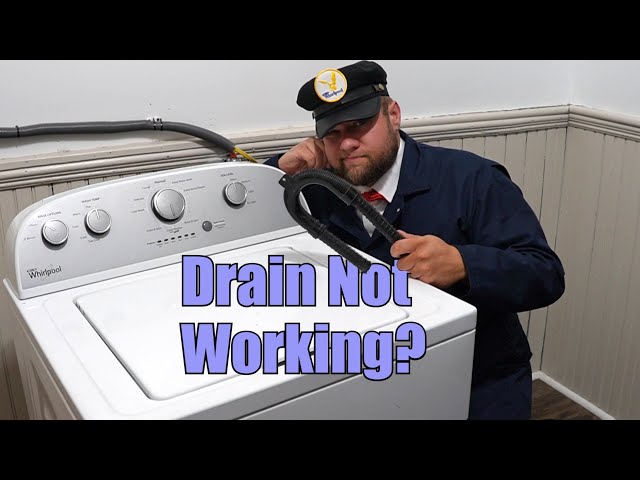
Youtube Video:
Quick Wiring Specifications & Terminal Guide
| Component / Circuit | Standard Wire Gauge | Recommended Protection |
|---|---|---|
| Control & Trigger Signals | 18 – 20 AWG | 5A – 7.5A Inline Fuse |
| Standard Auxiliary Load | 14 – 16 AWG | 15A – 20A Circuit Breaker |
| Main Power Feed / Supply | 10 – 12 AWG | 30A – 40A Heavy-Duty Relay |
Images References
Looking for more diagnostic guides? Explore our complete Washing Machine Problems 5 section for step-by-step troubleshooting solutions.
