
Introduction
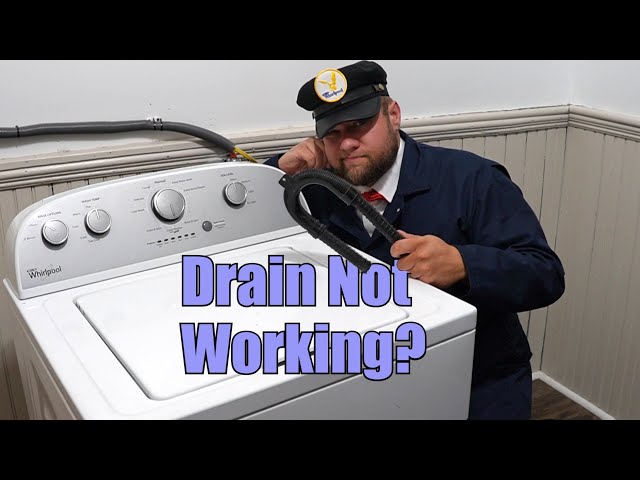
Finding a pool of water at the bottom of your washing machine after a cycle is frustrating. When your washer water doesn’t drain, your clothes remain soaked, preventing you from transferring them to the dryer. This can lead to mildew smells, ruined clothes, and a laundry room nightmare. It’s a common problem, but acting quickly can prevent further damage and get your laundry routine back on track. Ignoring it can lead to more expensive repairs down the line, so let’s tackle it now!. Explore more in our Washing Machine Problems 5 collection.
💡 Technical Key Takeaways:
- Core Focus: Diagnostic schematic and terminal connection layout for Washer Water Doesn T Drain.
- Target Scope: Field technicians, automotive DIYers, and residential/commercial electricians.
- Safety Rule: Always disconnect the primary power source/battery terminal and verify zero voltage with a multimeter before touching wires.
Common Causes of washer water doesn’t drain
Several factors can cause your washer not to drain:
- Clogged Drain Hose: The hose that carries water away can get blocked by lint, socks, or other small items.
- Clogged Drain Pump Filter: Many washers have a filter to catch debris before it reaches the drain pump. This filter can become clogged.
- Blocked Drainpipe: The pipe where the drain hose connects to your plumbing can be obstructed.
- Faulty Drain Pump: The drain pump is responsible for pushing the water out. If it’s broken, it won’t work.
- Kinked or Twisted Drain Hose: A bend in the hose can restrict water flow.
- Lid Switch Issues: Some washers won’t drain if the lid switch is faulty, as it signals to the machine that the cycle is incomplete.
- Air Lock: Sometimes, air trapped in the drain hose can prevent proper drainage.
- Overloading the Washer: Putting too many clothes in the washer can strain the drain pump and prevent it from functioning properly.
Symptoms Checklist
Here are some indicators that your washer isn’t draining properly:
- Standing water in the washing machine drum after a wash cycle.
- The washer makes a humming or buzzing noise during the drain cycle but doesn’t drain.
- Error codes displayed on the washing machine’s control panel related to draining.
- Clothes are excessively wet after the wash cycle.
- Unusual smells emanating from the washing machine.
How to Fix washer water doesn’t drain Step-by-Step Guide
Follow these steps to troubleshoot and fix your draining problem:
- Unplug the Washer: Before starting any repairs, disconnect the washing machine from the power outlet for safety.
- Locate the Drain Hose: This hose is usually at the back of the washer.
- Inspect the Drain Hose for Kinks: Straighten any kinks or twists in the hose. Ensure it’s not pinched or flattened.
- Detach the Drain Hose: Carefully remove the drain hose from the drainpipe or standpipe where it connects. Have a bucket ready to catch any remaining water.
- Check the Drainpipe: Make sure the drainpipe isn’t clogged. You can use a plumber’s snake or a stiff wire to clear any blockage.
- Inspect the Drain Hose: Look inside the drain hose for any visible obstructions like lint or small objects. Use pliers or a long object to remove them.
- Locate the Drain Pump Filter: This is usually located at the front or bottom of the washer behind a small access panel. Refer to your washer’s manual for the exact location.
- Clean the Drain Pump Filter: Open the access panel and carefully remove the filter. Clean it thoroughly under running water to remove any lint, debris, or foreign objects.
- Reinstall the Drain Pump Filter: Make sure the filter is securely in place.
- Reattach the Drain Hose: Reconnect the drain hose to the drainpipe or standpipe, ensuring a snug fit.
- Run a Rinse/Spin Cycle: Select a rinse and spin cycle to test if the washer is now draining correctly. Observe if the water drains completely.
- Check for Leaks: During the cycle, check for any leaks around the drain hose connections and the drain pump area.
- If Still Not Draining: if after the above the issue still occurs proceed to next step
- Reset the Washer: Some washers can be reset by unplugging them for a few minutes and then plugging them back in. This can sometimes clear error codes or temporary glitches.
- Check the Lid Switch: The lid switch ensures the washer only operates when the lid is closed. If it’s faulty, it might prevent draining. Consult your washers manual to locate and test this switch.
Fix the Issue Without Buying Parts
Before considering replacements, try these free methods:
- Reset: Unplug the washer for 15 minutes to reset the electronic controls.
- Cleaning: Regularly clean the drain pump filter and inspect the drain hose.
- Recalibration (if applicable): Refer to your owner’s manual for recalibration steps specific to your model.
- Inspection: Regularly inspect hoses for wear and tear.
- Maintenance: Run a washer cleaner cycle monthly to prevent buildup.
When Replacement Might Be Necessary
If the troubleshooting steps don’t resolve the issue, you may need to replace a part. The most common culprits are:
- Drain Pump: If the pump is faulty, it won’t drain the water. Replacement cost: $50-$150 (USD).
- Lid Switch: A broken lid switch can prevent the washer from draining. Replacement cost: $20-$50 (USD).
Safety Warning
Follow these safety precautions:
- Always unplug the washer before performing any maintenance or repairs.
- Be careful when handling water and electrical components.
- Wipe up any spills immediately to prevent slips and falls.
- If you are uncomfortable with any of these steps, consult a qualified appliance repair technician.
Tools You May Need
Here’s a list of tools that might be helpful:
- Screwdrivers (Phillips and flathead)
- Pliers
- Bucket
- Towels
- Plumber’s snake or stiff wire
- Flashlight
FAQ
Here are some frequently asked questions:
- Q: Why is my washer making a humming noise but not draining? A: This often indicates a clogged drain pump or a faulty drain pump motor.
- Q: How often should I clean the drain pump filter? A: It’s recommended to clean the drain pump filter every 1-3 months, depending on usage.
- Q: Can overloading the washer cause drainage problems? A: Yes, overloading can strain the drain pump and prevent proper drainage.
- Q: What if I can’t find the drain pump filter? A: Consult your washer’s owner’s manual for the location of the drain pump filter.
Conclusion
Troubleshooting a washer that won’t drain can seem daunting, but with a systematic approach, you can often resolve the issue yourself. Try these steps before calling a technician. Remember to prioritize safety and consult your washer’s manual for specific instructions related to your model. Good luck getting your laundry routine back on track!. Discover more free resources across our collection library.
Youtube Video:
Quick Wiring Specifications & Terminal Guide
| Component / Circuit | Standard Wire Gauge | Recommended Protection |
|---|---|---|
| Control & Trigger Signals | 18 – 20 AWG | 5A – 7.5A Inline Fuse |
| Standard Auxiliary Load | 14 – 16 AWG | 15A – 20A Circuit Breaker |
| Main Power Feed / Supply | 10 – 12 AWG | 30A – 40A Heavy-Duty Relay |
