Introduction
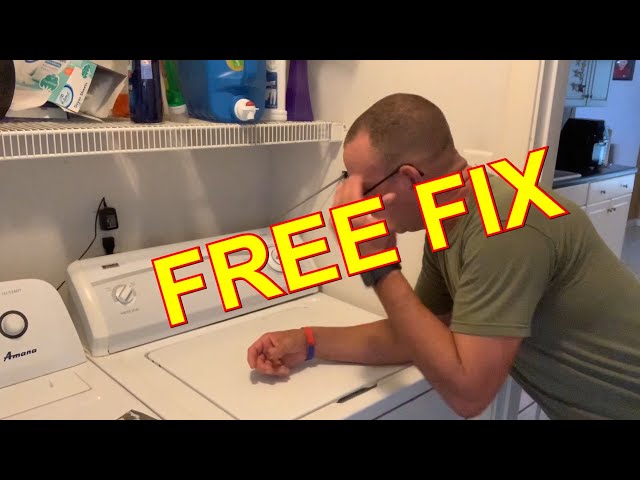
Discovering your washing machine stopped working full of water can be a frustrating experience. It’s a common issue that can occur at any time, often right in the middle of a laundry cycle. This situation not only prevents you from completing your wash but can also lead to potential water damage if not addressed promptly. Getting your washer back in working order is crucial to prevent mold growth and resume your laundry routine. Let’s explore the common causes and how you can troubleshoot the problem.
Common Causes of washer stopped working full of water
There are several reasons why your washing machine might be stuck with water inside:
- Clogged Drain Hose: The hose that carries water away might be blocked by lint, small objects, or debris.
- Blocked Drain Pump Filter: This filter catches lint and small items to prevent them from damaging the pump. It can become clogged over time.
- Faulty Drain Pump: The pump itself could be malfunctioning and unable to push the water out.
- Clogged Drain Line in the Wall: Sometimes, the issue isn’t the washer but the house’s plumbing, leading to a blockage further down the line.
- Lid Switch Problems: In top-loading machines, a faulty lid switch might prevent the machine from spinning and draining.
- Pressure Switch Issues: This switch senses the water level and tells the machine when to stop filling. If it malfunctions, it might not trigger the drain cycle.
- Timer or Control Board Malfunction: The electronic controls might be failing to initiate the drain cycle.
- Kinked or Damaged Drain Hose: A pinched or broken drain hose can restrict water flow.
Symptoms Checklist
Before diving into repairs, check for these signs:
- The washer fills with water but does not start the drain cycle.
- The washer makes unusual noises during the drain cycle.
- Water drains very slowly.
- The “Drain” or “Spin” cycle doesn’t seem to be working.
- Error codes are displayed on the washer’s control panel.
How to Fix washer stopped working full of water Step-by-Step Guide
Follow these steps to troubleshoot your washer:
- Unplug the Washer: For safety, always disconnect the power before starting any repairs.
- Check the Drain Hose: Look for kinks, bends, or obstructions in the drain hose. Straighten any kinks and detach the hose from the wall drain.
- Inspect the Wall Drain: Ensure the wall drain isn’t clogged. You can try using a plumbing snake to clear any obstructions.
- Locate and Clean the Drain Pump Filter: This is usually located at the front bottom of the machine behind a small access panel. Place a shallow pan or towel underneath to catch any water. Unscrew the filter cap and remove any lint, coins, or debris.
- Reassemble the Drain Pump Filter: Ensure the filter is clean and securely reinstalled.
- Check the Drain Pump (if accessible): Some washers allow easy access to the drain pump. Look for any visible obstructions. If you can reach the impeller (the pump’s rotating part), try turning it to see if it’s jammed. (Consult your owner’s manual before attempting this.)
- Test the Lid Switch (for Top-Loaders): The lid switch prevents the washer from operating when the lid is open. Check if the switch is broken or misaligned. If it’s easily accessible, you can gently press it to see if it engages the drain cycle.
- Run a Rinse and Spin Cycle: After checking the drain hose and pump filter, plug the washer back in and run a rinse and spin cycle to see if the issue is resolved.
- Listen for Unusual Noises: Pay attention to any unusual noises during the drain cycle. This could indicate a problem with the drain pump.
- Consult the Washer’s Manual: Your washer’s manual may contain specific troubleshooting steps or error codes that can help you diagnose the problem.
- Check the Air Gap (if present): Some washers have an air gap near the faucet. Make sure it’s clear of any obstructions.
- Restart the Washer: Sometimes simply turning off and unplugging the washer for a few minutes, then plugging it back in and restarting it, can reset the system and resolve the issue.
- Check for Error Codes: Many newer washers display error codes. Look up the code in your manual to understand what it means.
Fix the Issue Without Buying Parts
Before considering replacing any parts, try these free and simple fixes:
- Reset the Washer: Unplug the washer for 10-15 minutes to reset the internal computer.
- Deep Cleaning: Clean the washer’s drum, dispenser, and rubber seals with a washer cleaner to remove buildup.
- Inspect Hoses Regularly: Check for kinks and wear in the drain and fill hoses.
- Avoid Overloading: Overloading the washer can strain the drain pump.
When Replacement Might Be Necessary
If you’ve tried all the troubleshooting steps and your washer is still not draining, you might need to replace a part. Common parts that fail include:
- Drain Pump: $50 – $150
- Lid Switch: $20 – $50
- Pressure Switch: $30 – $70
- Timer or Control Board: $100 – $300 (Consider whether this justifies the cost of a new machine)
Safety Warning
- Always unplug the washing machine before attempting any repairs.
- Be careful when handling water and electrical components.
- If you’re not comfortable working with electrical or plumbing components, call a qualified technician.
- Be cautious of wet floors to prevent slips and falls.
Tools You May Need
- Screwdrivers (Phillips and flathead)
- Pliers
- Adjustable wrench
- Bucket or shallow pan
- Towels
- Plumbing snake (for clearing drain lines)
- Gloves
FAQ
Here are some frequently asked questions:
-
Q: Why is my washer making a loud buzzing noise when trying to drain?
A: This often indicates a problem with the drain pump, such as an obstruction or a failing motor. -
Q: How often should I clean my washing machine?
A: It’s recommended to clean your washing machine at least once a month to prevent buildup and odors. -
Q: What if I can’t find the drain pump filter?
A: Consult your washer’s manual for the exact location of the drain pump filter. It’s usually behind an access panel at the front bottom of the machine. -
Q: Is it safe to use a chemical drain cleaner in my washing machine?
A: It’s generally not recommended, as these cleaners can damage the washer’s components. Try manual cleaning methods first.
Conclusion
Troubleshooting a washing machine stuck with water can seem daunting, but by following these steps, you can often resolve the issue yourself. Remember to prioritize safety and consult your washer’s manual for specific instructions. If you’ve exhausted all the DIY options, don’t hesitate to call a qualified appliance repair technician for assistance.
Youtube Video:
Looking for more useful options?
Check out recommended resources that others find helpful.