Introduction
Discovering your Thermador freezer isn’t keeping your food properly frozen is a frustrating and potentially costly problem. Food spoilage can happen quickly when temperatures rise, leading to wasted groceries and potential health risks. This issue can arise from something as simple as an accidentally left-ajar door, or a more complex mechanical issue. Addressing a “Thermador freezer not cold enough” situation promptly is essential to protect your food and prevent further damage to your appliance.
Common Causes of Thermador Freezer Not Cold Enough
Here are some typical reasons why your Thermador freezer may not be getting cold enough:
- Door Not Sealing Properly: A damaged or dirty door seal lets warm air in, affecting the freezer’s temperature.
- Overloading the Freezer: Too much food packed tightly restricts airflow, preventing proper cooling.
- Blocked Air Vents: Items obstructing the vents inside the freezer hinder cold air circulation.
- Dirty Condenser Coils: Dust and debris on the condenser coils reduce their ability to release heat efficiently.
- Faulty Door Switch: A malfunctioning door switch may prevent the freezer from cycling properly, leading to temperature fluctuations.
- Incorrect Temperature Setting: The temperature setting might be accidentally set too high.
- Iced-Over Evaporator Coils: Excessive frost buildup on the evaporator coils insulates them, reducing their cooling ability.
- Condenser Fan Motor Malfunction: A failing fan motor impedes the removal of heat from the condenser coils.
- Evaporator Fan Motor Malfunction: A failing fan motor disrupts the circulation of cold air within the freezer.
- Defrost System Issues: A malfunctioning defrost system can lead to excessive ice buildup, impacting cooling.
Symptoms Checklist
Here’s a list to help you pinpoint the problem:
- Food is thawing or not freezing solid.
- The freezer feels warm to the touch inside.
- Ice cream is soft and melty.
- Frost is building up excessively inside the freezer.
- The freezer is running constantly and not cycling off.
- You hear unusual noises coming from the freezer.
- The door seal appears damaged or dirty.
How to Fix Thermador Freezer Not Cold Enough Step-by-Step Guide
Follow these steps to troubleshoot your Thermador freezer:
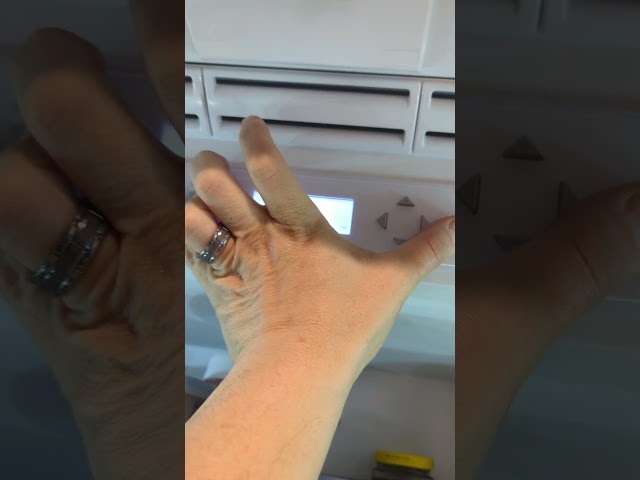
- Check the Temperature Setting: Ensure the freezer is set to the recommended temperature (typically around 0F or -18C).
- Inspect the Door Seal: Check for tears, cracks, or debris on the door seal. Clean the seal with warm, soapy water and a soft cloth.
- Ensure Proper Door Closure: Make sure the door closes completely and seals tightly. If not, try adjusting the hinges or leveling the freezer.
- Check for Overloading: Remove excess items to allow for better airflow. Don’t overpack the freezer.
- Clear Air Vents: Ensure that air vents inside the freezer are not blocked by food items.
- Defrost the Freezer (If Needed): If there’s excessive frost buildup, manually defrost the freezer. Unplug the freezer and allow the ice to melt. You can speed this process up with a fan.
- Clean the Condenser Coils: Locate the condenser coils (usually on the back or bottom of the freezer). Unplug the freezer and carefully vacuum the coils to remove dust and debris.
- Listen to the Fan Motors: Check if the condenser fan (near the compressor) and the evaporator fan (inside the freezer) are running smoothly. If they are making excessive noise or not running at all, they might be faulty.
- Check the Door Switch: Open and close the freezer door to see if the light turns on and off. If the light doesn’t respond, the door switch might be faulty.
- Reset the Freezer: Unplug the freezer for 5-10 minutes, then plug it back in. This can sometimes reset the internal computer and resolve minor issues.
- Check the Voltage: Ensure your outlet is providing the correct voltage. Use a multimeter to test the outlet voltage. If the voltage is outside the acceptable range (usually around 110-120V), consult with an electrician.
- Listen for Compressor Operation: Carefully listen to the compressor (usually located at the back of the freezer). It should be running with a consistent hum. If it’s making loud or unusual noises, there could be an issue.
- Monitor the Temperature: After making any adjustments, monitor the freezer’s temperature for 24 hours to see if it improves. Use a freezer thermometer to ensure accurate readings.
Fix the Issue Without Buying Parts
Many freezer issues can be resolved without replacing parts. Here are some free methods to try:
- Reset the Freezer: Unplugging and plugging the freezer back in can sometimes resolve minor software glitches.
- Thorough Cleaning: Cleaning the door seal, condenser coils, and interior can improve efficiency and airflow.
- Temperature Recalibration (If Possible): Consult your owner’s manual to see if your model has a temperature recalibration feature.
- Regular Inspection: Regularly inspect the door seal, interior, and condenser coils to catch potential problems early.
- Proper Food Storage: Avoid overpacking the freezer and ensure proper airflow around food items.
When Replacement Might Be Necessary
If you’ve tried all the troubleshooting steps and your freezer still isn’t cold enough, a component may have failed. Common parts that fail include the condenser fan motor ($50-$150), evaporator fan motor ($50-$150), defrost heater ($40-$100), or the compressor (which is a major repair, often costing $300-$800 including labor). A refrigerant leak is also a serious issue and often not worth repairing. If the cost of repair approaches half the price of a new freezer, replacement is often the best option.
Safety Warning
- Always unplug the freezer before performing any maintenance or repairs.
- Avoid working on electrical components while standing on a wet floor.
- If you are not comfortable working with electrical components, consult a qualified appliance repair technician.
- Be careful when handling sharp objects, such as screwdrivers or vacuum attachments.
- When cleaning, use mild detergents and avoid harsh chemicals that could damage the freezer’s components.
Tools You May Need
Here are some basic tools that might be helpful:
- Screwdrivers (Phillips and flathead)
- Vacuum cleaner with attachments
- Soft cloth
- Warm water and mild detergent
- Freezer thermometer
- Multimeter (for checking voltage)
FAQ
Here are some frequently asked questions about freezers not getting cold enough:
- Q: Why is my freezer running constantly? A: This could be due to a dirty condenser coil, a faulty door seal, or an overloaded freezer. Clean the coils, check the seal, and remove excess items.
- Q: How do I defrost my freezer manually? A: Unplug the freezer, remove all food, and leave the door open. You can place towels inside to absorb the melting water. Using a fan can speed up the process.
- Q: How often should I clean the condenser coils? A: It’s recommended to clean the condenser coils every 6 months to a year.
- Q: What temperature should my freezer be set to? A: The ideal freezer temperature is around 0F (-18C).
Conclusion
Troubleshooting a “Thermador freezer not cold enough” issue can seem daunting, but by following these steps, you can often resolve the problem yourself. Remember to start with the simplest solutions, such as checking the temperature setting and cleaning the door seal. If you’ve exhausted all DIY options and the issue persists, don’t hesitate to contact a qualified appliance repair technician. They have the expertise to diagnose and repair more complex problems. Addressing the issue promptly will prevent food spoilage and extend the life of your appliance.
Youtube Video:
Looking for more useful options?
Check out recommended resources that others find helpful.