
Introduction
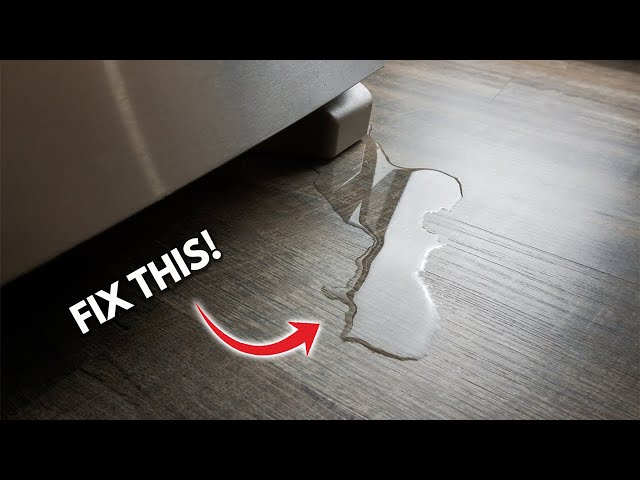
Discovering your freezer leaking water can be a frustrating experience. It’s not only a sign that something isn’t working correctly, but it can also lead to water damage on your floors and potentially spoil your frozen food. Leaks often happen after defrosting, after a power outage, or seemingly out of nowhere. Addressing the issue quickly is important to prevent bigger problems, like mold growth or damage to your flooring. Explore more in our Refrigerator Problems 1 collection.
💡 Technical Key Takeaways:
- Core Focus: Diagnostic schematic and terminal connection layout for Freezer Leaking Water.
- Target Scope: Field technicians, automotive DIYers, and residential/commercial electricians.
- Safety Rule: Always disconnect the primary power source/battery terminal and verify zero voltage with a multimeter before touching wires.
Common Causes of Freezer Leaking Water
Here are some of the most common reasons why your freezer might be leaking water:
- Clogged Defrost Drain: This is the most frequent cause. The drain allows melted frost to flow out of the freezer. If it’s blocked, the water backs up and overflows.
- Icemaker Issues: A faulty icemaker can leak water, especially if the water line is loose or the icemaker itself is cracked.
- Door Seal Problems: A damaged or dirty door seal can allow warm air to enter the freezer, causing excessive frost build-up that melts and leaks.
- Overfilling the Freezer: Packing the freezer too tightly can block airflow and prevent proper defrosting, leading to ice build-up and leaks.
- Improper Leveling: If the freezer isn’t level, melted water might not drain correctly, causing it to overflow.
- Power Outage: When the power goes out, the freezer warms up, and any ice inside melts, potentially leading to a significant water leak.
- High Humidity: In very humid environments, more moisture can condense inside the freezer, increasing the likelihood of leaks.
- Damaged Water Line: If your freezer has an ice maker or water dispenser, a cracked or loose water line can cause leaks.
Symptoms Checklist
Here are some signs that your freezer is leaking water:
- Puddle of water near the front or back of the freezer.
- Ice build-up inside the freezer, particularly around the vents or on the back wall.
- Water stains on the floor around the freezer.
- Unusual frost formation on frozen food packaging.
- A dripping sound coming from inside the freezer.
- The freezer door not sealing properly.
How to Fix Freezer Leaking Water Step-by-Step Guide
Follow these steps to troubleshoot and fix your leaking freezer:
- Unplug the Freezer: For your safety, always unplug the freezer before starting any troubleshooting or repair work.
- Locate the Defrost Drain: This is usually located on the back wall of the freezer, often behind a panel. Consult your freezer’s manual if you’re unsure of its location.
- Clear the Defrost Drain: Use a long, flexible object like a pipe cleaner, a piece of stiff wire, or a turkey baster to clear any blockage in the drain. You can also use warm water and a funnel to flush out the drain.
- Check the Door Seal: Inspect the door seal (gasket) for any cracks, tears, or debris. Clean the seal with warm, soapy water and a soft cloth. Make sure it’s properly seated against the freezer frame.
- Adjust the Freezer’s Level: Use a level to check if the freezer is sitting evenly. Adjust the leveling feet on the bottom of the freezer until it’s level.
- Inspect the Icemaker: If your freezer has an icemaker, check the water line connection for leaks. Also, examine the icemaker itself for any cracks or damage. Turn off the icemaker to prevent further issues.
- Reduce Freezer Overcrowding: Remove any unnecessary items from the freezer to improve airflow.
- Check the Temperature Setting: Ensure the freezer temperature is set correctly (usually around 0F or -18C). A too-warm setting can cause excessive melting.
- Empty the Defrost Pan: Locate the defrost pan (usually at the bottom or back of the freezer) and empty any water that has collected there. Make sure the pan is properly positioned.
- Restart the Freezer: After completing these steps, plug the freezer back in and monitor it for any further leaks.
- Check the Condenser Coils: Located on the back or bottom of the freezer, these coils can cause issues if extremely dusty. Clean with a vacuum cleaner and brush attachment.
Fix the Issue Without Buying Parts
Here are some ways to address the problem without immediate replacement parts:
- Reset the Freezer: Unplug the freezer for 30 minutes, then plug it back in. This can sometimes reset the defrost cycle and resolve minor issues.
- Thorough Cleaning: Defrost the freezer completely and clean the interior, paying close attention to the defrost drain area.
- Temperature Recalibration: Double-check the temperature setting. If it’s too high, adjust it to the recommended level.
- Regular Inspection: Periodically check the door seal, defrost drain, and icemaker for any signs of wear, tear, or blockage.
- Proper Maintenance: Avoid overfilling the freezer and ensure adequate airflow to prevent ice build-up.
When Replacement Might Be Necessary
If you’ve tried all the troubleshooting steps and the freezer continues to leak, a faulty component might be the cause. Common parts that fail include the defrost heater, defrost timer, or the icemaker itself. Replacement of these parts can range from $50 to $200 depending on the part and the brand. In some cases, if the freezer is old or the cost of repair is significant, replacing the entire freezer might be a more cost-effective option. New freezers range from $300 to $1000+ depending on size and features.
Safety Warning
- Always unplug the freezer before attempting any repairs.
- Be careful when handling electrical components.
- Wipe up any water spills immediately to prevent slips and falls.
- If you are uncomfortable performing any of these steps, contact a qualified appliance repair technician.
Tools You May Need
Here’s a list of simple tools that may be helpful for this repair:
- Screwdrivers (Phillips and flathead)
- Pipe cleaner or stiff wire
- Warm water and funnel
- Soft cloth or sponge
- Level
- Vacuum cleaner with brush attachment
FAQ
Here are some frequently asked questions about freezer leaks:
- Q: Why is my freezer leaking after I defrosted it? A: Defrosting can sometimes loosen debris in the defrost drain, causing a blockage. Make sure to clear the drain after defrosting.
- Q: How often should I clean my freezer? A: It’s a good idea to clean your freezer at least twice a year, or more often if you notice excessive ice build-up.
- Q: Can a leaking freezer cause mold? A: Yes, if the water is not cleaned up properly, it can create a damp environment that promotes mold growth.
- Q: Is it safe to use a hair dryer to melt ice in the freezer? A: It is strongly discouraged. The electrical hazard is very high when water and electricity are combined.
Conclusion
Troubleshooting a leaking freezer can seem daunting, but by following these steps, you can often identify and fix the problem yourself. Remember to prioritize safety and take your time. If you’ve exhausted all the DIY options and the leak persists, don’t hesitate to call a qualified appliance repair technician for assistance. Start with these solutions before calling a repairman and paying for services you can do on your own!. Discover more free resources across our collection library.
Youtube Video:
Quick Wiring Specifications & Terminal Guide
| Component / Circuit | Standard Wire Gauge | Recommended Protection |
|---|---|---|
| Control & Trigger Signals | 18 – 20 AWG | 5A – 7.5A Inline Fuse |
| Standard Auxiliary Load | 14 – 16 AWG | 15A – 20A Circuit Breaker |
| Main Power Feed / Supply | 10 – 12 AWG | 30A – 40A Heavy-Duty Relay |
