Introduction
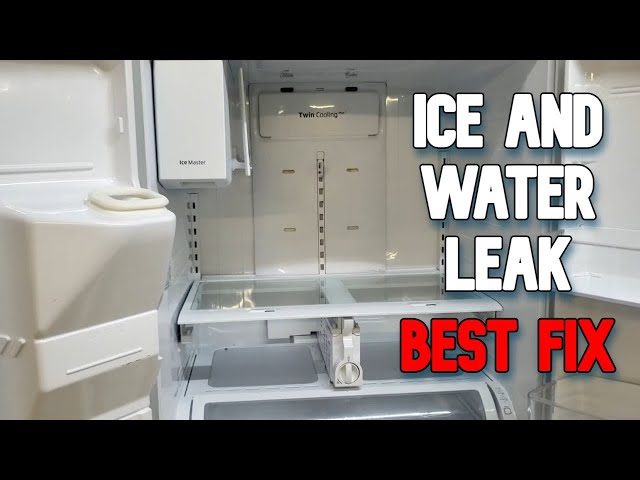
Finding water dripping from your Samsung refrigerator can be concerning. It’s often a sign that something isn’t working as it should within the appliance. This can lead to wasted energy, potential water damage to your floors, and even food spoilage if the fridge isn’t cooling properly. Addressing the problem promptly is essential to prevent further complications and ensure your refrigerator functions efficiently.
Common Causes of samsung water dripping
Here are some of the most common reasons why your Samsung refrigerator might be dripping water:
- Clogged Defrost Drain: Ice can build up and melt, causing water to back up and overflow if the drain is blocked.
- Frozen Water Line: If the water line to your ice maker or water dispenser freezes, it can drip as it thaws.
- Faulty Water Inlet Valve: This valve controls the flow of water to the ice maker and dispenser; a leaky valve can cause drips.
- Cracked or Loose Water Line: A damaged or poorly connected water line can leak inside the refrigerator.
- Icemaker Issues: Problems with the icemaker itself, such as a leaky fill cup, can cause dripping.
- Door Seals: If the door seals are damaged or dirty, warm air can enter, causing condensation and dripping.
- Overfilled Ice Bin: An overfull ice bin can sometimes cause ice to melt and drip.
- High Humidity: In humid environments, condensation can form inside and outside the fridge, leading to drips.
- Unlevel Refrigerator: An unlevel fridge can affect drainage and cause water to pool and leak.
Symptoms Checklist
Look for these signs to help pinpoint the cause of the dripping:
- Water pooling at the bottom of the refrigerator.
- Ice buildup in the freezer, especially around the back panel.
- Dripping from the icemaker or water dispenser.
- Water stains on the floor in front of the refrigerator.
- Increased humidity inside the refrigerator.
- The refrigerator seems warmer than usual.
How to Fix samsung water dripping Step-by-Step Guide
Follow these steps to troubleshoot and fix the dripping issue:
- Safety First: Unplug the refrigerator from the power outlet before starting any troubleshooting.
- Check the Defrost Drain: Locate the defrost drain inside the freezer (usually behind a panel at the back).
- Clear the Drain: Use a long, flexible object like a pipe cleaner or a small piece of wire to clear any blockage in the drain. You can also use a turkey baster filled with warm water to flush the drain.
- Inspect the Water Line: Check the water line running to the refrigerator for any kinks, cracks, or leaks. Ensure it’s properly connected to the water supply.
- Check the Water Filter: Replace the water filter, even if it hasn’t reached its replacement date. A clogged filter can restrict water flow and cause issues.
- Examine the Door Seals: Inspect the door seals for any damage, tears, or debris. Clean the seals with a damp cloth and mild soap.
- Level the Refrigerator: Use a level to ensure the refrigerator is sitting evenly. Adjust the leveling feet at the bottom of the refrigerator if needed.
- Check the Icemaker: Inspect the icemaker for any visible issues, such as a stuck fill cup or ice buildup.
- Empty the Ice Bin: If the ice bin is overfull, remove some ice to prevent melting and dripping.
- Check for Condensation: Wipe down any condensation you see inside the refrigerator with a clean cloth.
- Reset the Refrigerator: Unplug the refrigerator for 10-15 minutes and then plug it back in. This can sometimes reset the system and resolve minor issues.
- Monitor the Refrigerator: After completing these steps, monitor the refrigerator for a few days to see if the dripping has stopped.
Fix the Issue Without Buying Parts
Often, you can resolve the dripping issue without needing to buy new parts:
- Cleaning: Regularly clean the refrigerator’s interior, especially the door seals and any areas prone to condensation.
- Defrosting: Manually defrost the freezer periodically to prevent ice buildup that can block the defrost drain.
- Recalibration: While not usually a dedicated feature, unplugging and re-plugging (resetting) sometimes helps components recalibrate.
- Inspection Tips: Regularly inspect the water line and drain for any signs of damage or blockage.
- Maintenance Basics: Keep the refrigerator properly ventilated by ensuring there’s enough space around it.
When Replacement Might Be Necessary
If the dripping persists after trying these troubleshooting steps, a faulty component might be the cause. For example:
- Water Inlet Valve: A faulty valve might continuously leak. Replacement cost: $30-$70 USD.
- Icemaker Assembly: If the icemaker itself is cracked or damaged, it may need to be replaced. Replacement cost: $80-$200 USD.
- Defrost Heater: If the defrost heater isn’t working, ice will build up and cause dripping. Replacement cost: $40-$80 USD.
Consider consulting a qualified appliance repair technician before replacing any parts, as they can accurately diagnose the problem.
Safety Warning
- Always unplug the refrigerator before performing any repairs or inspections.
- Avoid touching electrical components with wet hands.
- Be careful when working with sharp objects or tools.
- Clean up any spilled water immediately to prevent slips and falls.
- If you are uncomfortable performing any of these steps, contact a qualified appliance repair technician.
Tools You May Need
- Screwdrivers (Phillips and flathead)
- Pliers
- Pipe cleaner or flexible wire
- Turkey baster
- Level
- Damp cloth and mild soap
FAQ
Here are some frequently asked questions about water dripping in Samsung refrigerators:
-
Q: Why is water dripping from my ice dispenser?
A: This could be due to a faulty water inlet valve or a frozen water line. Try replacing the water filter and checking the water line for kinks. -
Q: How do I know if my defrost drain is clogged?
A: If you see ice buildup in the freezer or water pooling at the bottom of the refrigerator, the defrost drain is likely clogged. -
Q: My refrigerator is still dripping after I cleared the drain. What else can I do?
A: Check the door seals for any damage and ensure the refrigerator is level. -
Q: Should I call a technician if I can’t fix the dripping myself?
A: Yes, if you’ve tried all the troubleshooting steps and the dripping persists, it’s best to consult a qualified appliance repair technician.
Conclusion
Don’t let a little water dripping ruin your day! By following these steps, you’ve equipped yourself with the knowledge to diagnose and potentially fix the issue yourself. It’s empowering to try these DIY fixes first. However, if you’re still struggling, don’t hesitate to call in a professional they have the expertise to solve more complex problems and ensure your Samsung refrigerator is back to its best performance.
Youtube Video:
Looking for more useful options?
Check out recommended resources that others find helpful.