Introduction
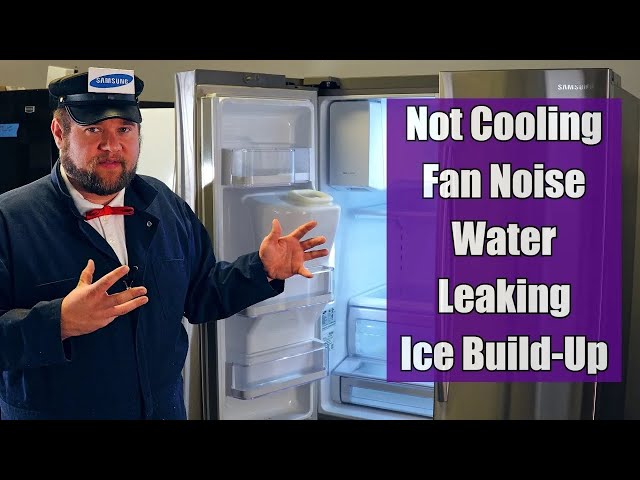
Is your Samsung RF260BEAESR/AA refrigerator not cooling properly? This is a common issue that can lead to spoiled food and unnecessary stress. When your fridge isn’t cooling, it’s crucial to address the problem quickly to prevent food from going bad and potentially causing health risks. This guide provides simple, step-by-step troubleshooting tips to help you diagnose and fix the issue yourself before calling a technician.
Common Causes of samsung rf260beaesr aa not cooling
Here are some common reasons why your Samsung RF260BEAESR/AA refrigerator might not be cooling:
- Dirty Condenser Coils: Dust and debris can accumulate on the coils, preventing them from releasing heat effectively.
- Blocked Vents: Items inside the fridge can block the vents that circulate cold air.
- Faulty Door Seals: Damaged or dirty door seals can allow warm air to enter, reducing cooling efficiency.
- Overloaded Refrigerator: Overpacking the fridge can restrict airflow and hinder cooling.
- Incorrect Temperature Settings: The temperature settings might be set too high.
- Frost Buildup: Excessive frost in the freezer can disrupt the cooling process.
- Failed Start Relay: The start relay helps to power on the compressor motor. If it fails, compressor can not starts properly.
- Damaged Evaporator Fan Motor: A malfunctioning fan won’t circulate cold air effectively.
Symptoms Checklist
Check these indicators to confirm the cooling issue:
- The refrigerator compartment feels warm to the touch.
- Food items are spoiling faster than usual.
- The freezer may be working, but the refrigerator is not.
- You hear unusual noises coming from the refrigerator.
- There’s excessive frost buildup in the freezer.
How to Fix samsung rf260beaesr aa not cooling Step-by-Step Guide
Follow these steps to troubleshoot the issue:
- Check the Temperature Settings: Ensure the temperature is set correctly. A typical setting is around 37F (3C) for the refrigerator and 0F (-18C) for the freezer.
- Clean the Condenser Coils: Locate the condenser coils (usually on the back or bottom of the fridge). Unplug the refrigerator, then use a vacuum cleaner or a brush to remove dust and debris.
- Inspect the Door Seals: Check the door seals for any damage or dirt. Clean them with warm, soapy water. Replace damaged seals if necessary.
- Check the Vents: Make sure the vents inside the refrigerator and freezer are not blocked by food items. Rearrange items to allow for proper airflow.
- Defrost the Refrigerator: If there’s excessive frost buildup in the freezer, manually defrost the refrigerator. Unplug it, leave the doors open, and let the frost melt.
- Ensure Proper Airflow: Avoid overpacking the refrigerator. Allow space between items for air to circulate.
- Listen to the Compressor: The compressor is located at the rear of the unit. Listen to check whether it is running. The compressor should turn on when cooling is needed.
- Check the Evaporator Fan: Open the freezer and listen for the evaporator fan running. If you don’t hear it, there may be a problem with the fan motor or the fan blades being obstructed.
- Power Cycle the Refrigerator: Unplug the refrigerator for 10-15 minutes, then plug it back in. This can sometimes reset the system and resolve minor issues.
- Check the Start Relay The start relay is located near the compressor. You will need to remove the panel to access the start relay to inspect it.
- Check the Overload Protector: The overload protector, also near the compressor, can sometimes trip. Reset it if possible (check your refrigerator’s manual for instructions).
- Verify Power Supply: Ensure the refrigerator is properly plugged into a functioning outlet. Check the circuit breaker to ensure it hasn’t tripped.
Fix the Issue Without Buying Parts
Before considering replacements, try these free methods:
- Reset: Unplug the refrigerator for 30 minutes to reset the system.
- Cleaning: Regularly clean the condenser coils and door seals.
- Recalibration: Some models have a recalibration function in the settings. Check your manual.
- Inspection Tips: Look for blocked vents and ensure proper airflow.
- Maintenance Basics: Keep the refrigerator clean and organized to prevent issues.
When Replacement Might Be Necessary
If the above steps don’t work, some parts may need replacement. Here are some possibilities:
- Evaporator Fan Motor: If the fan isn’t working after troubleshooting. (Estimated cost: $50 – $150 USD)
- Door Seals: If they are damaged and letting in warm air. (Estimated cost: $30 – $80 USD per seal)
- Start Relay: If the start relay cannot power on the compressor motor. (Estimated cost: $20-50)
Safety Warning
Follow these safety precautions:
- Always unplug the refrigerator before performing any maintenance or repairs.
- Avoid working on electrical components with wet hands or on wet floors.
- If you’re not comfortable with electrical repairs, consult a qualified technician.
- Ensure the area is well-ventilated when cleaning with chemicals.
Tools You May Need
Here’s a list of tools that might be helpful:
- Screwdrivers (Phillips and flathead)
- Vacuum cleaner with brush attachment
- Warm water and soap
- Soft cloth or sponge
- Multimeter (for testing electrical components – optional)
FAQ
Here are some frequently asked questions:
- Q: Why is my freezer cold but my refrigerator is warm? A: This is often due to blocked vents or a faulty damper that controls airflow between the freezer and refrigerator.
- Q: How often should I clean the condenser coils? A: At least every six months, or more often if you have pets or live in a dusty environment.
- Q: What temperature should I set my refrigerator? A: Aim for 37F (3C) to keep food fresh.
- Q: Can an overloaded refrigerator cause cooling problems? A: Yes, it can restrict airflow and prevent proper cooling.
Conclusion
Troubleshooting a refrigerator issue can seem daunting, but with these steps, you have a good chance of resolving the “samsung rf260beaesr aa not cooling” problem yourself. Start with the simple checks and cleaning steps. If the issue persists after trying these solutions, consider contacting a qualified appliance repair technician for professional assistance. Good luck!
Youtube Video:
Looking for more useful options?
Check out recommended resources that others find helpful.