Introduction
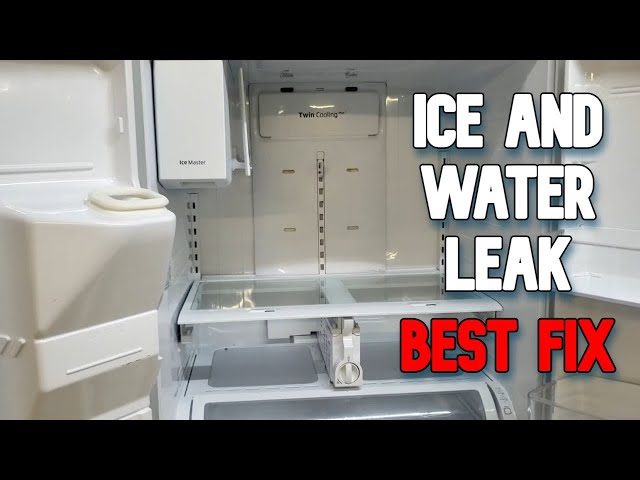
Discovering water in the drawers of your Samsung fridge can be frustrating and a sign of potential problems. Not only can it damage food and create a mess, but it can also indicate a malfunctioning component that, if left unaddressed, could lead to more costly repairs down the line. This usually occurs in the crisper drawers or the deli drawer. Addressing this issue promptly is crucial to prevent mold growth, food spoilage, and further damage to your refrigerator. Let’s tackle this problem head-on!
Common Causes of samsung fridge leaking water into drawer
Here are some of the most common reasons why your Samsung fridge might be leaking water into the drawer:
- Clogged Defrost Drain: Ice can build up in the defrost drain tube, blocking water from draining properly and causing it to overflow into the fridge.
- Frozen Evaporator Coils: If the coils behind the back panel freeze over, they can melt and overflow when the defrost cycle occurs.
- Faulty Defrost Heater: A malfunctioning defrost heater won’t melt the ice buildup on the coils, leading to excess water.
- Defective Defrost Timer: If the timer isn’t working, it may not initiate the defrost cycle, allowing ice to accumulate.
- Door Seal Issues: A worn or damaged door seal can allow warm air to enter the fridge, causing condensation and leading to leaks.
- Water Filter Issues: A loose or improperly installed water filter (if your fridge has one) can cause leaks.
- Water Line Problems: If your fridge has a water dispenser or ice maker, a leaking water line or connection can cause water to accumulate in the drawer.
- Cracked or Damaged Drain Pan: While less common in the drawer itself, a leak nearby can eventually seep into it.
Symptoms Checklist
Check these indicators to confirm that this is the issue:
- Water pooling in the crisper drawers or deli drawer.
- Ice buildup on the back wall of the freezer.
- Unusual noises coming from the refrigerator, such as gurgling or hissing.
- Increased humidity inside the fridge.
- Frozen food in the refrigerator compartment.
- Visible ice buildup near the drain hole inside the fridge.
How to Fix Samsung Fridge Leaking Water Into Drawer Step-by-Step Guide
Follow these steps to diagnose and fix the leak:
- Unplug the Refrigerator: Before starting any troubleshooting, unplug the fridge to avoid electrical hazards.
- Empty the Drawers: Remove all food and items from the drawers to get a clear view of the leaking area.
- Locate the Drain Hole: This is usually located on the back wall of the refrigerator compartment, often near the bottom.
- Check for Ice Blockage: Look inside the drain hole for ice buildup.
- Melt the Ice: Use a turkey baster or syringe to carefully pour warm (not hot!) water into the drain hole. Repeat until the ice blockage melts.
- Use a Flexible Tool: Gently insert a flexible wire, pipe cleaner, or drain clearing tool into the drain hole to dislodge any remaining debris.
- Flush the Drain Line: Continue flushing the drain line with warm water to ensure its completely clear.
- Inspect the Door Seal: Check the door seal (gasket) for any tears, cracks, or debris. Clean the seal with warm, soapy water and a cloth.
- Check the Water Filter (if applicable): Ensure the water filter is properly installed and tightened. If you suspect a leak, remove and reinstall it following the manufacturer’s instructions.
- Check Water Lines (if applicable): Inspect water lines for cracks and proper connections. Tighten the fittings if needed.
- Observe the Fridge: Plug the refrigerator back in and observe it for a few hours to see if the leaking stops.
- Monitor Temperatures: Ensure the refrigerator is set to the correct temperature (typically between 37F and 40F).
- Check for Condensation: Monitor the back wall of the refrigerator for excess condensation.
Fix the Issue Without Buying Parts
Here are some things to try that don’t require buying new parts:
- Reset the Fridge: Unplug your refrigerator for about 30 minutes and then plug it back in. This can sometimes reset the defrost cycle.
- Deep Cleaning: Clean the inside of your fridge regularly to prevent buildup that can contribute to condensation.
- Check Door Alignment: Ensure the refrigerator door closes properly. Sometimes adjusting the feet of the fridge can improve the seal.
- Avoid Overpacking: Don’t overpack the fridge, as this can restrict airflow and lead to uneven temperatures and condensation.
When Replacement Might Be Necessary
If the leaking persists after trying the above steps, a component might need replacing. Here are a few possibilities:
- Defrost Heater: If the heater is faulty, it won’t melt the ice. Replacing a defrost heater typically costs between $50-$150 USD, including parts and labor.
- Defrost Timer: A malfunctioning timer may not initiate the defrost cycle. Replacement can range from $40-$120 USD.
- Water Filter Housing: If cracked, water will constantly leak. Replacement costs range $30-$80 USD.
Safety Warning
Always prioritize safety when troubleshooting:
- Unplug the refrigerator before attempting any repairs.
- Avoid using sharp objects to clear the drain, as you could damage the drain line.
- Be careful when handling water to avoid slips and falls.
- If you are uncomfortable performing any of these steps, consult a qualified appliance repair technician.
Tools You May Need
Here is a short list of tools you might find useful:
- Screwdriver (Phillips and flathead)
- Warm water
- Turkey baster or syringe
- Flexible wire or pipe cleaner
- Clean cloths
- Adjustable wrench
FAQ
Here are some frequently asked questions:
-
Q: How often should I clean the defrost drain?
A: It’s recommended to clean the defrost drain every 6 months to prevent clogs. -
Q: Why is there ice buildup in my freezer?
A: Ice buildup can be caused by a faulty door seal, frequent door openings, or a malfunctioning defrost system. -
Q: Can a dirty condenser coil cause leaks?
A: While not directly causing a leak into the drawer, a dirty condenser coil can cause the fridge to work harder, potentially leading to other issues like ice buildup. -
Q: How do I know if my door seal is bad?
A: Check for visible damage, gaps, or condensation around the door. You can also perform the “paper test” by closing the door on a piece of paper; if you can easily pull the paper out, the seal might be bad.
Conclusion
Don’t let a leaky fridge dampen your day! By following these troubleshooting steps, you can often resolve the issue yourself. Remember to prioritize safety and take your time. If you’ve tried these steps and the problem persists, it might be time to call a qualified appliance repair technician. But give it a try yourself first you might just save yourself some money and hassle!
Youtube Video:
Looking for more useful options?
Check out recommended resources that others find helpful.