Introduction
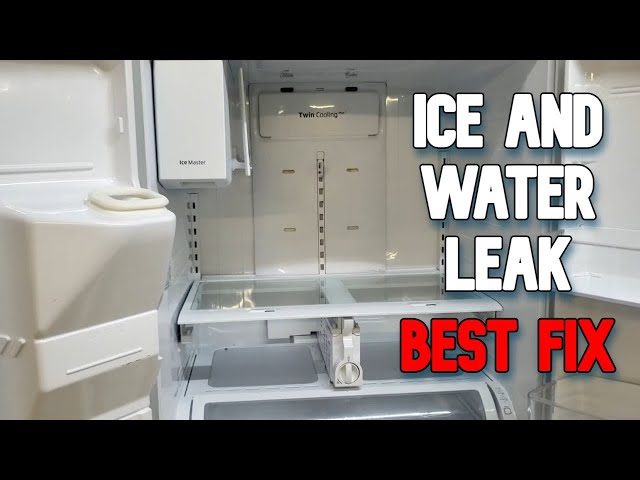
Discovering water leaking from your Samsung French Door refrigerator can be concerning. Not only can it damage your flooring, but it also indicates a potential problem within the appliance. This guide is designed to help you, as a homeowner, troubleshoot the most common causes of these leaks. Often, the issue stems from simple problems that can be resolved without needing to call a repair technician or replace parts. Addressing a leak promptly is important to prevent further damage to your home and maintain the efficiency of your refrigerator.
Common Causes of Samsung French Door Leaking Water
Here are some common culprits behind water leaks in your Samsung French Door refrigerator:
- Clogged Defrost Drain: The most frequent cause. Ice buildup melts during defrost cycles, and the water needs to drain. If blocked, it overflows.
- Frozen Water Line: If your fridge has a water dispenser and/or ice maker, the water line can freeze, especially if the fridge is in a cold environment. When it melts, it leaks.
- Loose Water Line Connections: Connections behind the fridge can loosen over time, leading to drips.
- Faulty Water Filter Housing: Cracks or damage to the filter housing can cause leaks.
- Damaged Door Seals: Worn or torn door seals allow warm, moist air to enter, causing condensation and eventual leaks.
- Overfilled Drip Pan: The drip pan at the bottom of the fridge collects water. If it’s full, it will overflow.
- High Humidity: In very humid environments, condensation can form inside the fridge, leading to water pooling.
- Icemaker Issues: A malfunctioning icemaker can overfill and leak.
Symptoms Checklist
Check for the following symptoms to pinpoint the leak’s source:
- Water pooling on the floor in front of the refrigerator.
- Water inside the refrigerator, particularly at the bottom.
- Ice buildup inside the refrigerator.
- Water dripping from the ice maker or water dispenser.
- A visible crack or damage to the water filter housing.
- Wet or damp door seals.
- Unusual noises from the refrigerator (e.g., constant running).
How to Fix Samsung French Door Leaking Water Step-by-Step Guide
- Unplug the Refrigerator: For safety, disconnect the refrigerator from the power outlet before starting any troubleshooting.
- Locate the Defrost Drain: Usually found on the back wall inside the freezer compartment, near the bottom.
- Clear the Defrost Drain: Use a long, flexible object like a pipe cleaner, a straightened coat hanger, or a turkey baster with warm water to flush out the drain.
- Check the Water Line: Inspect the water line running to the refrigerator (if applicable) for any kinks or damage.
- Inspect Water Line Connections: Locate the connections behind the refrigerator. Tighten any loose connections. Use Teflon tape on the threads if necessary.
- Check the Water Filter: Ensure the water filter is properly installed and not damaged. If it’s old, try replacing it.
- Examine the Water Filter Housing: Look closely at the water filter housing for cracks or leaks.
- Clean the Door Seals: Wipe down the door seals with a damp cloth to remove any dirt or debris that may be preventing a tight seal.
- Adjust the Refrigerator Level: Ensure the refrigerator is level. Use a level to check and adjust the feet if necessary.
- Empty the Drip Pan: Locate the drip pan (usually at the bottom front or back of the fridge) and empty any accumulated water.
- Defrost the Refrigerator: If there’s excessive ice buildup, manually defrost the refrigerator by turning it off and leaving the doors open for several hours.
- Check Icemaker Fill Tube: Inspect the icemaker fill tube for ice blockage. Use a hairdryer on low setting to melt any ice.
- Monitor the Refrigerator: After performing these steps, plug the refrigerator back in and monitor it for any further leaks.
- Wait 24 Hours: Give the fridge a full day to return to normal operation and check for recurring water leaks.
Fix the Issue Without Buying Parts
Often, you can resolve the leak without buying replacement parts:
- Reset the Refrigerator: Unplug the refrigerator for 10-15 minutes, then plug it back in. This can sometimes reset the system and resolve minor issues.
- Thorough Cleaning: Clean the inside of the fridge, paying attention to corners and crevices where ice or debris might accumulate.
- Check Temperature Settings: Ensure the refrigerator and freezer temperatures are set correctly (typically around 37F (3C) for the refrigerator and 0F (-18C) for the freezer).
- Inspect Door Seals: Carefully inspect the door seals for any signs of wear, tears, or gaps. Clean them regularly with a mild detergent.
- Prevent Overfilling: Avoid overfilling the refrigerator, as this can restrict airflow and lead to condensation.
When Replacement Might Be Necessary
If the above steps don’t solve the problem, you might need to replace a part. Here are a few examples:
- Water Filter Housing: If cracked, a new housing might be necessary. Estimated cost: $30-$70 USD.
- Water Line: If the water line is severely damaged or kinked, replacing it might be the only option. Estimated cost: $20-$50 USD.
- Door Seals: If the door seals are beyond repair, replacing them is essential to prevent condensation. Estimated cost: $50-$150 USD per seal.
Safety Warning
- Always unplug the refrigerator before performing any maintenance or repairs.
- Be careful when working with water and electrical components to avoid electric shock.
- Clean up any water spills immediately to prevent slips and falls.
- If you’re uncomfortable performing any of these steps, consult a qualified appliance repair technician.
Tools You May Need
- Screwdriver (Phillips and flathead)
- Adjustable wrench
- Pliers
- Pipe cleaner or flexible wire
- Turkey baster or syringe
- Teflon tape
- Level
- Damp cloth
FAQ
- Q: Why is my refrigerator leaking even after I cleared the defrost drain? A: The drain may be refreezing quickly. Check the freezer temperature and ensure the door seals are tight.
- Q: How often should I replace my water filter? A: Typically, every 6 months, but refer to your refrigerator’s manual for specific recommendations.
- Q: What if I can’t find the defrost drain? A: Consult your refrigerator’s user manual for the exact location of the defrost drain.
- Q: Can a clogged water filter cause a leak? A: Yes, a clogged filter can increase pressure and cause leaks around the filter housing.
- Q: My icemaker is overflowing. What should I do? A: Check the water inlet valve and the fill tube for any blockages or malfunctions.
Conclusion
Troubleshooting a leaking Samsung French Door refrigerator can seem daunting, but with a systematic approach, you can often identify and resolve the problem yourself. Remember to prioritize safety and take your time. If you’ve exhausted these troubleshooting steps and the leak persists, it might be time to call a qualified appliance repair technician. Don’t hesitate to seek professional help if you’re unsure about any aspect of the repair process.
Youtube Video:
Looking for more useful options?
Check out recommended resources that others find helpful.