Introduction
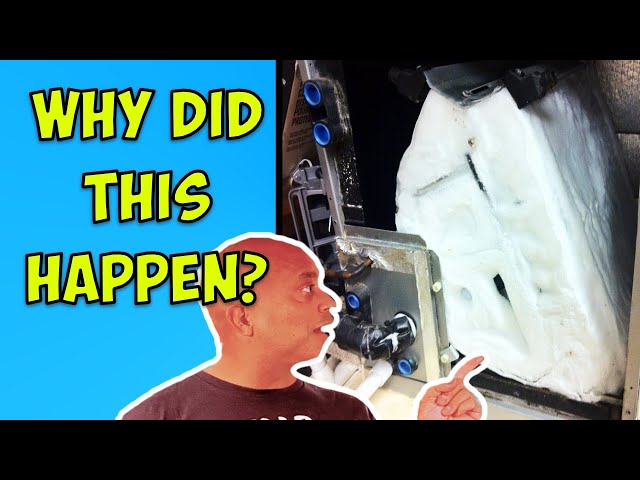
A frozen coil in your air conditioning unit is a common problem, especially during periods of high humidity and heat. The coil, located inside the indoor unit, is responsible for absorbing heat from the air in your home. When it freezes, it restricts airflow, causing your AC to work harder to cool your home and leading to increased energy bills. Addressing this issue promptly is important to prevent further damage to your AC system and ensure it continues to function efficiently. A frozen coil can ultimately lead to compressor failure, a very expensive repair. It is important to address the issue quickly.
Common Causes of running ac with frozen coil
Several factors can cause your AC coil to freeze:
- Low Refrigerant: If your AC is low on refrigerant, the coil can get too cold and freeze.
- Dirty Air Filter: A clogged air filter restricts airflow over the coil, causing it to get too cold and freeze.
- Blocked Return Air Vents: Obstructed return vents reduce airflow, leading to a frozen coil.
- Dirty Evaporator Coil: Dust and debris on the coil insulate it, causing it to get colder than it should.
- Blower Fan Malfunction: If the blower fan isn’t working properly, it can’t move enough air over the coil.
- Leaky Ductwork: Air leaks in the ductwork can reduce the amount of air reaching the coil, causing it to freeze.
- Outdoor Unit Problems: Issues with the outdoor condenser unit can affect the cooling process.
- Thermostat Issues: A malfunctioning thermostat might cause the AC to run continuously, potentially leading to freezing.
Symptoms Checklist
Watch out for these signs to identify a frozen AC coil:
- Reduced or no airflow from your vents.
- Ice visible on the indoor AC unit or copper refrigerant lines.
- Higher-than-usual energy bills.
- The AC unit runs constantly without cooling the house.
- Water leaking from the indoor unit when the ice melts.
- Strange noises coming from the AC unit.
How to Fix running ac with frozen coil Step-by-Step Guide
Follow these steps to troubleshoot a frozen AC coil:
- Turn off the AC: Immediately turn off your AC system to allow the coil to thaw. This will prevent further damage.
- Turn Fan to ‘On’ (not ‘Auto’): Set your thermostat fan setting to “On” instead of “Auto”. This keeps the fan running to help thaw the coil and improve airflow.
- Check the Air Filter: Remove and inspect the air filter. If it’s dirty, replace it with a clean one. A clogged filter is a very common cause of freezing.
- Allow Time to Thaw: Give the coil several hours (up to 24) to completely thaw. You can help the process along by using a hairdryer (on a low setting) to gently warm the coil, but be careful not to melt any plastic components.
- Clear Obstructions: Ensure that all return air vents are open and unobstructed by furniture or other items.
- Inspect the Blower Fan: Check if the blower fan is working. If it’s not, it may need repair or replacement. Turn off power before inspecting blower fan.
- Clean the Evaporator Coil: After the coil has thawed, use a brush or vacuum cleaner with a brush attachment to gently clean the coil. Avoid bending the fins.
- Check for Leaks: Look for any signs of refrigerant leaks around the AC unit. If you suspect a leak, contact a qualified technician.
- Restart the AC: After the coil has thawed and you’ve addressed the potential causes, turn the AC back on and monitor its performance.
- Monitor Airflow: Check the airflow from the vents. If it’s still weak, there may be another underlying issue.
- Check Thermostat Settings: Ensure your thermostat is set correctly and functioning properly.
- Observe Over Time: Monitor the AC’s performance over the next few days. If the coil freezes again, further investigation is needed.
Fix the Issue Without Buying Parts
Often, you can resolve a frozen coil without replacing any parts:
- Reset: Turn off the AC for 24 hours. Then try turning it back on. This gives the unit a chance to reset itself.
- Cleaning: Regularly clean or replace your air filter (every 1-3 months). A clean filter helps maintain proper airflow.
- Recalibration: Check your thermostat settings and ensure they’re accurate.
- Inspection: Visually inspect the unit for any obvious obstructions or damage.
- Maintenance Basics: Schedule regular AC maintenance to prevent future problems. This may involve cleaning coils or checking refrigerant levels.
When Replacement Might Be Necessary
In some cases, the problem may be more serious, requiring replacement. If the coil freezes repeatedly after you’ve tried the above steps, there might be a refrigerant leak. Refrigerant leaks are dangerous and should be handled by a trained professional. A new evaporator coil typically costs between $800 and $2500 installed. The compressor is also often replaced when there are extensive coil problems. Expect to pay similar rates for compressor replacement.
Safety Warning
Take these precautions when troubleshooting your AC:
- Always turn off the power to the AC unit at the breaker before performing any maintenance.
- Avoid touching electrical components with wet hands.
- Be careful when using tools around the AC unit to avoid damaging any parts.
- If you’re uncomfortable working with electrical or mechanical components, call a qualified technician.
- Never introduce flames or excessive heat to try and thaw the coil faster.
Tools You May Need
Here are some tools that may come in handy:
- Screwdrivers (Phillips and flathead)
- Wrench set
- Vacuum cleaner with brush attachment
- Air filter
- Fin comb (for straightening bent coil fins)
- Flashlight
FAQ
Here are some frequently asked questions about frozen AC coils:
- Q: How long does it take for an AC coil to freeze?
- A: It can happen within a few hours if the conditions are right (or wrong!), such as a very dirty filter or low refrigerant.
- Q: Can I still use my AC with a frozen coil?
- A: No, running your AC with a frozen coil can cause further damage to the compressor and other components.
- Q: How often should I change my air filter?
- A: Typically, every 1-3 months, depending on usage and air quality.
- Q: Is it safe to add refrigerant myself?
- A: No, refrigerant should only be handled by a licensed technician as it’s a regulated substance and requires specialized equipment.
Conclusion
Troubleshooting a frozen AC coil can be straightforward if you follow these steps. Start with the easy fixes, like changing the air filter and ensuring proper airflow. However, if the problem persists, don’t hesitate to call a qualified HVAC technician. Attempting complex repairs yourself could lead to further damage or injury. A professional can diagnose the issue accurately and perform the necessary repairs to keep your AC running smoothly.
Youtube Video:
Looking for more useful options?
Check out recommended resources that others find helpful.