Introduction
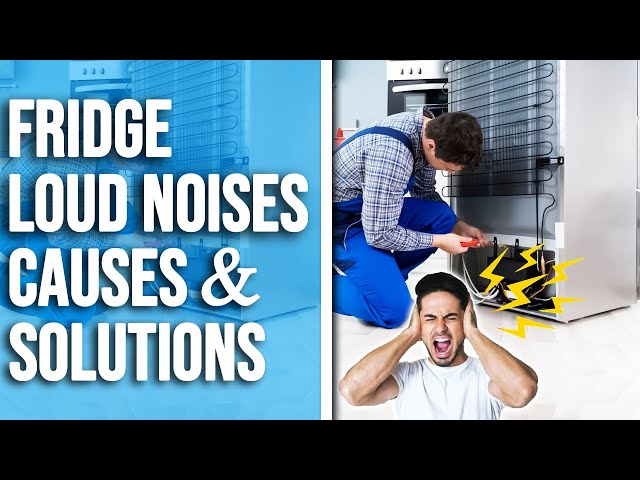
Is your refrigerator humming louder than usual? A refrigerator is generally designed to hum quietly as it operates. However, if the humming becomes excessive, annoying, or is accompanied by other unusual noises, it could indicate a problem. This isn’t always an emergency, but it’s wise to investigate. Ignoring a loud hum could lead to further damage or decreased efficiency of your fridge, and nobody wants that! Addressing it promptly can save you money and prevent food spoilage. Let’s figure out what’s causing that hum.
Common Causes of Refrigerator Humming Noise
Here are several possible reasons why your refrigerator is humming:
- Normal Operation: Many refrigerators have components like fans and compressors that create a low hum during regular operation.
- Icemaker Issues: The icemaker might be trying to fill with water when it’s empty, or a valve could be vibrating.
- Condenser Fan Motor: The fan motor behind or underneath your fridge might be dusty, dirty, or failing.
- Evaporator Fan Motor: Located inside the freezer compartment, the evaporator fan motor can create noise if iced up or failing.
- Compressor Problems: The compressor is the heart of your fridge. If it’s struggling, it can produce a loud hum.
- Loose Components: Sometimes, parts like refrigerant lines or the defrost timer can vibrate against the refrigerator’s body.
- Refrigerant Issues: While less common, very low refrigerant can cause the compressor to work harder and hum more loudly.
- Water Inlet Valve: This valve controls the water flow to the icemaker and water dispenser (if equipped). A faulty valve can vibrate or hum.
Symptoms Checklist
Use this checklist to identify the issue accurately:
- Is the humming noise constant, or does it come and go?
- Does the humming sound change in intensity?
- Do you hear the humming from inside the fridge, the freezer, or the back of the unit?
- Is the refrigerator still cooling properly?
- Is the humming accompanied by other noises like buzzing, clicking, or gurgling?
- Have you recently noticed any ice buildup in the freezer?
- Is your refrigerator level?
How to Fix Refrigerator Humming Noise Step-by-Step Guide
- Unplug the Refrigerator: Always disconnect the power before any inspection or maintenance.
- Listen Carefully: Try to pinpoint the exact location of the humming. Is it from the back, bottom, or inside the freezer?
- Check the Condenser Fan: Locate the condenser coils (usually on the back or bottom). Remove the access panel and clean the fan blades with a soft brush or vacuum.
- Inspect the Evaporator Fan: Open the freezer and locate the evaporator fan cover. Remove the cover (usually held in place by screws). Check for ice buildup on the fan blades. If there is ice, defrost the freezer completely (unplug it and let it thaw).
- Check for Loose Parts: Gently press on various parts of the refrigerator (back panel, side panels, etc.) to see if the humming changes. If it does, try securing the loose part with foam padding or shims.
- Clean Underneath and Behind: Dust and debris can accumulate and affect the refrigerator’s performance. Vacuum behind and underneath the fridge.
- Check the Water Line (if applicable): Ensure the water line to your icemaker is not kinked or vibrating against anything.
- Examine the Water Inlet Valve: The valve is located behind the refrigerator where the water line connects. Check for mineral build up, and ensure it is tightly connected.
- Level the Refrigerator: Use a level to ensure the refrigerator is properly leveled. Adjust the legs if needed. An unlevel fridge can cause vibrations.
- Defrost the Refrigerator: Many refrigerators have an automatic defrost cycle. If it’s not working correctly, ice can build up and cause noise. Try manually defrosting the refrigerator.
- Check the Drain Pan: Locate the drain pan (usually at the bottom of the refrigerator). Empty the pan if it’s full.
- Inspect the Compressor: The compressor is at the back of the fridge, near the bottom. Check if it’s excessively hot to the touch. If so, it could be a sign of a problem.
- Test the Door Seals: Make sure the door seals are clean and making a good connection. Bad seals can cause the refrigerator to work harder.
- Plug the Refrigerator Back In: After inspecting and cleaning, plug the refrigerator back in and listen for the humming to return.
Fix the Issue Without Buying Parts
Before thinking about replacing any parts, try these free solutions:
- Reset: Unplug the refrigerator for 30 minutes, then plug it back in. This can reset the system and sometimes resolve minor issues.
- Cleaning: Thoroughly clean the condenser coils, fan blades, and underneath the refrigerator.
- Inspection: Carefully inspect for loose parts, ice buildup, and obstructions that could be causing the humming.
- Maintenance: Regular cleaning and defrosting are essential for maintaining your refrigerator’s performance and preventing noise.
When Replacement Might Be Necessary
If the humming persists after trying the above steps, a component may be failing. Replacing the condenser fan motor, evaporator fan motor, water inlet valve, or even the compressor itself might be necessary.
- Condenser/Evaporator Fan Motor: $50-150 USD.
- Water Inlet Valve: $30-80 USD.
- Compressor: $200-500 USD (requires professional installation).
Consult with a qualified appliance repair technician if you suspect a major component failure.
Safety Warning
- Always unplug the refrigerator before performing any maintenance or repairs.
- Avoid working on electrical components if you are not comfortable or experienced.
- Be careful when handling sharp objects or tools.
- If you are unsure about any step, consult with a qualified appliance repair technician.
- Do not operate the refrigerator if it is damaged or not functioning properly.
Tools You May Need
- Screwdrivers (Phillips and flathead)
- Soft brush
- Vacuum cleaner
- Wrench
- Level
- Foam padding or shims
FAQ
- Q: Why is my new refrigerator humming so loudly? A: New refrigerators sometimes hum louder initially as the compressor settles in. If it persists, check for loose components and ensure the unit is level.
- Q: The humming only happens when the icemaker is running. What could it be? A: It’s likely an issue with the water inlet valve or the icemaker mechanism itself. Inspect the valve for mineral buildup and make sure the icemaker is not obstructed.
- Q: My refrigerator is cooling fine, but the humming is really annoying. Is it safe to ignore? A: While the refrigerator may be cooling, the humming could indicate a component that is working harder than it should, potentially leading to future problems. It’s best to investigate.
- Q: How often should I clean the condenser coils? A: Ideally, clean the condenser coils every 6-12 months to ensure efficient operation.
Conclusion
Don’t let a humming refrigerator drive you crazy! By following these steps, you can often diagnose and fix the problem yourself. Remember to prioritize safety and if you’re unsure about anything, don’t hesitate to call a qualified appliance repair technician. Good luck!
Youtube Video:
Looking for more useful options?
Check out recommended resources that others find helpful.