Introduction
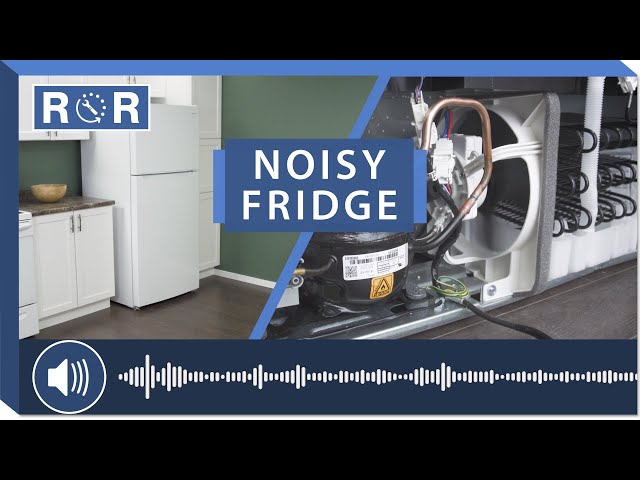
A rattling noise coming from your refrigerator, specifically from the compressor area (usually at the back and bottom), can be concerning. The compressor is the heart of your refrigerator, responsible for circulating refrigerant that keeps your food cold. A rattle often indicates something is loose, vibrating excessively, or wearing out. While some refrigerator noises are normal (like the hum of the fan), a rattle is usually a sign that something needs attention. Ignoring it could lead to decreased cooling efficiency or, worse, compressor failure, leading to costly repairs or food spoilage. It’s best to address this issue sooner rather than later.
Common Causes of refrigerator compressor rattles when running
Here are some common reasons why your refrigerator compressor might be rattling:
- Loose Mounting Bolts: The compressor is mounted on bolts, which can loosen over time due to vibrations.
- Damper Assembly Issues: A damper controls airflow. If it’s broken or obstructed, it can cause rattling.
- Loose Fan Blades: The condenser fan helps cool the compressor. Loose blades will rattle.
- Refrigerant Line Vibration: The refrigerant lines running to and from the compressor can vibrate against other parts.
- Worn-Out Compressor Mounts: Rubber mounts absorb vibrations, but they can degrade over time, causing the compressor to rattle.
- Debris Near the Compressor: Small objects can fall near the compressor and rattle when it runs.
- Internal Compressor Damage: Sometimes, the internal components of the compressor can wear out or break, causing rattling.
- Start Relay or Overload Protector Issues: These electrical components near the compressor can become loose and cause noise.
Symptoms Checklist
Use this checklist to accurately identify the problem:
- Rattling noise is most prominent when the compressor is running.
- The refrigerator isn’t as cold as it used to be.
- The rattling noise is coming from the back or bottom of the fridge.
- Vibrations can be felt when touching the refrigerator casing (especially at the back/bottom).
- The noise changes in intensity or frequency.
- You notice frost buildup or condensation issues inside the fridge.
How to Fix refrigerator compressor rattles when running Step-by-Step Guide
Follow these steps to troubleshoot the rattling noise:
- Unplug the Refrigerator: Always disconnect the power before working on any appliance.
- Locate the Compressor: It’s usually a black, cylindrical component at the back and bottom of the refrigerator.
- Inspect Mounting Bolts: Check if the compressor mounting bolts are loose. Tighten them with a wrench if needed. Be careful not to overtighten.
- Examine Refrigerant Lines: Look for refrigerant lines that might be touching other parts. Gently bend them away. You can use zip ties or foam padding to secure them.
- Check the Condenser Fan: Locate the condenser fan (usually near the compressor). Make sure the fan blades aren’t loose or obstructed. Clean any debris.
- Inspect Compressor Mounts: Examine the rubber mounts. Look for cracks or signs of wear. Note their condition for future reference.
- Clean the Area Around the Compressor: Remove any debris, such as dust, pet hair, or small objects, that could be causing the rattle.
- Check the Drain Pan: The drain pan can sometimes vibrate. Ensure it’s securely in place and not making contact with other parts.
- Listen Closely: With the refrigerator plugged back in (stand clear and observe safety precautions), listen closely to pinpoint the exact source of the rattle.
- Check the Start Relay and Overload Protector: These are small components usually mounted on the side of the compressor. Make sure they are securely attached.
- Run Refrigerator and Monitor: Plug the fridge back in and let it run for a few hours. Check if the rattling persists.
Fix the Issue Without Buying Parts
Here are some free methods to try before considering part replacements:
- Cleaning: Regularly clean the condenser coils at the back of the refrigerator using a vacuum cleaner with a brush attachment. This improves airflow and reduces compressor workload.
- Leveling: Ensure the refrigerator is level. Use a level tool and adjust the leveling feet at the bottom if needed. An unleveled fridge can cause vibrations.
- Rearrange Items: Make sure items inside the refrigerator are not touching each other or the walls, as this can amplify vibrations.
- Listen and Learn: After each troubleshooting step, listen carefully to the sound of the refrigerator. Can you hear any improvements? This can help you narrow down the source of the problem.
When Replacement Might Be Necessary
If the rattling persists after trying the above steps, the compressor itself might be failing. Internal damage to the compressor is difficult and costly to repair. Replacement is sometimes the only option. The compressor itself could cost between $200 and $600 USD, plus labor costs for a professional technician to install it. Other parts that may need replacing include the compressor mounts ($10-$30 USD) or the condenser fan motor ($50-$150 USD).
Safety Warning
Take these precautions:
- Always unplug the refrigerator before performing any repairs.
- Avoid working on the refrigerator while standing on a wet floor.
- Be careful when handling tools around electrical components.
- If you are uncomfortable performing any of these steps, contact a qualified appliance repair technician.
Tools You May Need
Here are some tools that might be helpful:
- Screwdrivers (Phillips and flathead)
- Wrench set
- Vacuum cleaner with brush attachment
- Level tool
- Zip ties
- Foam padding
FAQ
Here are some frequently asked questions:
- Q: How do I know if the compressor is the problem? A: If the rattling is coming directly from the compressor and persists after checking other components, it’s likely the compressor itself.
- Q: Can I repair the compressor myself? A: Replacing a compressor requires specialized tools and knowledge of refrigerant handling. It’s generally best left to a qualified technician.
- Q: How much does it cost to replace a refrigerator compressor? A: The cost can vary, but typically ranges from $300 to $1000, including parts and labor.
- Q: Is it worth repairing an old refrigerator? A: Consider the age of the refrigerator and the cost of repairs. If the refrigerator is over 10 years old, replacement might be more economical in the long run.
- Q: What happens if I ignore the rattling noise? A: Ignoring the noise can lead to compressor failure, resulting in food spoilage and the need for a costly repair or replacement.
Conclusion
Troubleshooting a rattling refrigerator compressor can seem daunting, but by following these steps, you can often identify and resolve the issue yourself. Start with the simpler solutions, like tightening bolts and cleaning debris. If the problem persists, consider consulting a qualified technician. Addressing the issue promptly can save you from more significant problems down the road. Good luck!
Youtube Video:
Looking for more useful options?
Check out recommended resources that others find helpful.