Introduction
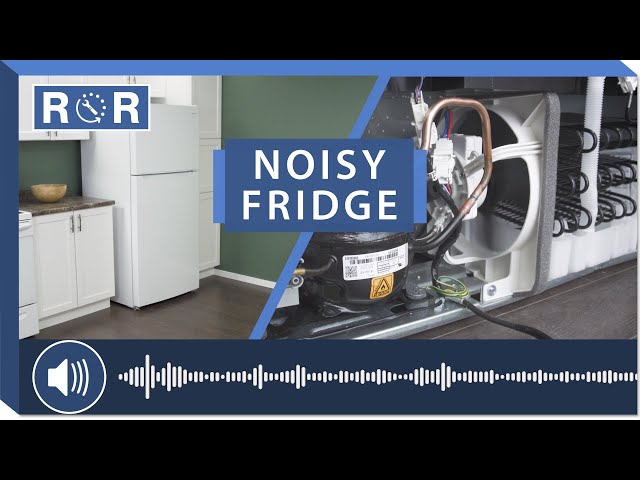
A noisy refrigerator can be annoying and concerning. Often, the culprit is the compressor, the heart of your fridge responsible for cooling. A humming or buzzing sound is normal, but loud rattling, clicking, or grinding noises aren’t. Ignoring these noises can lead to decreased efficiency and eventually, a completely broken fridge. This guide walks you through troubleshooting and fixing common refrigerator compressor noise issues.
Common Causes of Refrigerator Compressor Noise
Here are some common reasons why your refrigerator compressor might be making excessive noise:
- Loose Compressor Mounts: The compressor is attached to the fridge frame. Loose screws or worn rubber mounts can cause it to vibrate and rattle.
- Dirty Condenser Coils: Dust and debris on the condenser coils make the compressor work harder, leading to increased noise.
- Defective Start Relay: This component helps start the compressor. A failing relay can cause clicking or buzzing noises.
- Worn Compressor Motor: Over time, the compressor motor can wear down, resulting in louder operation.
- Refrigerant Issues: Low refrigerant levels or blockages in the refrigerant lines can cause unusual noises.
- Ice Buildup: Ice accumulating around the compressor or its components can cause rattling or grinding sounds.
- Faulty Condenser Fan Motor: The condenser fan helps cool the compressor. A failing fan can be noisy or cause the compressor to work harder.
- Foreign Object: Sometimes, something simple like a small object near the compressor can cause a rattle.
Symptoms Checklist
Use this checklist to accurately identify the source of the refrigerator noise:
- Loud rattling or vibrating sounds coming from the back of the fridge.
- Clicking noises that occur frequently.
- Grinding or buzzing sounds coming from the compressor area.
- The fridge is running hotter than usual, despite making noise.
- The noises are louder when the compressor is actively running.
- You notice ice buildup in areas it shouldn’t be.
How to Fix Refrigerator Compressor Noise Step-by-Step Guide
Follow these steps to diagnose and potentially fix the compressor noise:
- Unplug the Refrigerator: Always disconnect the refrigerator from the power outlet before any inspection or repair.
- Locate the Compressor: It’s usually at the bottom rear of the fridge. You might need to remove a rear panel to access it.
- Inspect Compressor Mounts: Check the screws and rubber mounts holding the compressor in place. Tighten any loose screws. If the rubber mounts are cracked or worn, they may need replacing (though we aren’t immediately recommending replacement).
- Clean Condenser Coils: Use a vacuum cleaner with a brush attachment to clean the condenser coils located at the back or bottom of the fridge. This improves cooling efficiency.
- Check for Ice Buildup: Look for any ice buildup around the compressor or its components. If you find any, unplug the fridge and let it defrost completely.
- Inspect Condenser Fan: If your fridge has a condenser fan near the compressor, check if it’s spinning freely. Remove any obstructions. If the fan motor seems noisy or isn’t spinning properly, it may be failing.
- Listen Carefully: With the fridge plugged back in (briefly, for testing purposes only), listen closely to the compressor. Try to pinpoint the exact source of the noise.
- Check the Start Relay (Advanced): The start relay is a small component attached to the compressor. A failing relay can cause clicking noises. Check for burnt spots or unusual smells. This is a more advanced step, and requires more caution.
- Look for Foreign Objects: Inspect the area around the compressor for any loose objects that might be rattling against it.
- Re-seat the Fridge: Ensure the fridge is level. An uneven fridge can cause the compressor to vibrate more.
- Defrost the Refrigerator A full defrost can sometimes reset the system and clear any minor blockages that could be causing compressor strain. Unplug it and leave the door open for 24 hours.
Fix the Issue Without Buying Parts
Before considering any replacements, try these simple methods:
- Reset the Refrigerator: Unplug the refrigerator for 30 minutes, then plug it back in. This can sometimes reset the compressor and resolve minor issues.
- Deep Cleaning: Clean the entire refrigerator, including the interior, shelves, and door seals. This ensures proper airflow and prevents the compressor from working harder than necessary.
- Inspect Air Vents: Make sure that the air vents inside the fridge are not blocked by food items, as this can cause the compressor to overwork itself.
- Ensure Adequate Ventilation: Make sure the refrigerator has enough space around it. Avoid positioning it too close to walls or cabinets.
When Replacement Might Be Necessary
If the noise persists after trying the above steps, the compressor itself or other major components might be failing. Replacing a compressor is a complex and costly repair, typically ranging from $400 to $1000, including labor. Commonly failing parts include the compressor itself, the start relay, or the condenser fan motor. It’s wise to consult with a qualified appliance repair technician for an accurate diagnosis and estimate before considering replacement.
Safety Warning
Follow these safety precautions:
- Always unplug the refrigerator before performing any maintenance or repairs.
- Be cautious when working with electrical components.
- If you’re not comfortable working with electrical appliances, consult a qualified technician.
- Keep the area around the refrigerator dry to prevent electrical shock.
Tools You May Need
Here’s a list of basic tools you might find helpful:
- Screwdriver (Phillips and flathead)
- Vacuum cleaner with brush attachment
- Wrench set
- Gloves
- Flashlight
FAQ
Here are some frequently asked questions about refrigerator compressor noise:
- Q: Why is my refrigerator compressor so loud all of a sudden? A: Sudden loud noises can be due to loose compressor mounts, a failing start relay, or increased stress due to dirty condenser coils.
- Q: Is it normal for my refrigerator compressor to make noise? A: A gentle humming or buzzing is normal, but loud rattling, clicking, or grinding isn’t.
- Q: How long will a refrigerator compressor last? A: Typically, a well-maintained compressor can last 10-15 years.
- Q: Can I repair a refrigerator compressor myself? A: While some minor issues can be addressed DIY, compressor repairs can be complex and may require professional expertise.
Conclusion
Don’t let a noisy refrigerator disrupt your peace of mind. By following these troubleshooting steps, you can often identify and resolve common compressor noise issues. Remember to prioritize safety and don’t hesitate to seek professional help if you’re uncomfortable performing the repairs yourself. Many issues can be addressed with a few simple steps, saving you the cost of a new appliance or expensive repairs.
Youtube Video:
Looking for more useful options?
Check out recommended resources that others find helpful.