Introduction
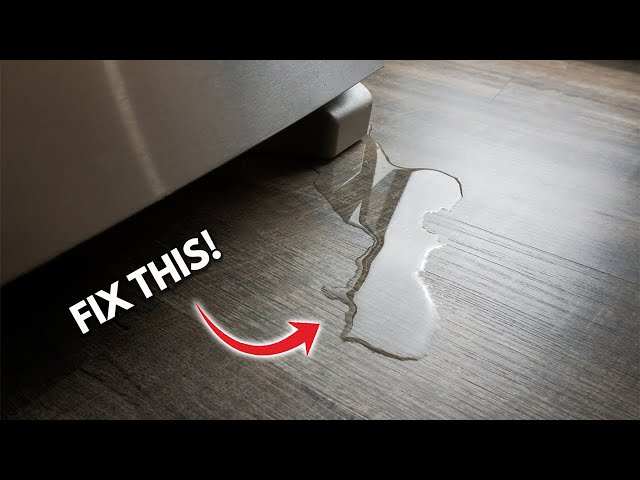
Finding water leaking from your refrigerator can be alarming. It’s not only a nuisance and a potential slip hazard, but it can also indicate a bigger problem that, if left unaddressed, could lead to mold growth or damage to your flooring. The reasons why fridge is leaking water can vary, but most issues are easily fixed with a bit of troubleshooting. We’ll guide you through the most common causes and how to resolve them.
Common Causes of Reasons Why Fridge is Leaking Water
Here are some common culprits behind a leaking fridge:
- Clogged Defrost Drain: This is the most frequent cause. Ice buildup melts and drains through a tube, which can get blocked.
- Frozen or Blocked Water Line: If your fridge has a water dispenser or ice maker, the water line can freeze or become blocked, causing leaks when it thaws.
- Loose or Damaged Water Line Connection: The connections where the water line enters and exits the fridge can become loose or cracked.
- Cracked Drain Pan: The drain pan collects water from the defrost cycle. If cracked, it will leak.
- Faulty Water Inlet Valve: This valve controls the flow of water to the dispenser and ice maker. If it malfunctions, it can leak.
- Door Seal Issues: A worn or damaged door seal can let warm air in, causing condensation and leaks.
- Overfilled Ice Maker: An overfilled ice maker can spill ice and melt, leading to water leaks.
- High Humidity: In humid environments, condensation can build up on the inside and outside of the fridge.
Symptoms Checklist
Confirm the issue with these indicators:
- Puddle of water under the fridge.
- Water leaking from the inside of the fridge.
- Ice buildup in the freezer or on the back wall of the fridge.
- Water dripping from the water dispenser.
- Visible damage to the drain pan.
- Unusual noises coming from the fridge (gurgling, hissing).
How to Fix Reasons Why Fridge is Leaking Water Step-by-Step Guide
Follow these steps to troubleshoot and fix the leak:
- Unplug the Fridge: Safety first! Disconnect the fridge from the power outlet.
- Locate the Defrost Drain: This is usually located on the back wall inside the freezer, near the bottom.
- Check for Ice Buildup: If there’s ice blocking the drain, carefully melt it with a hairdryer (on low setting) or hot water. Avoid sharp objects that could damage the drain.
- Flush the Defrost Drain: Use a turkey baster or syringe to flush the drain with hot water. You can also use a flexible wire or pipe cleaner to gently clear any debris.
- Locate the Water Line: Find the water line that connects to the fridge, usually at the back.
- Inspect Water Line Connections: Check for any leaks or loose connections at the valve or fitting where it enters the fridge. Tighten any loose connections.
- Check for Frozen Water Line: If the water line is frozen, try thawing it with a hairdryer or by leaving the fridge unplugged for several hours.
- Locate the Drain Pan: The drain pan is usually located at the bottom of the fridge, either in the front or back.
- Inspect the Drain Pan: Check the drain pan for cracks or damage. If it’s cracked, it will need to be replaced (but don’t replace it yet!).
- Clean the Drain Pan: Remove the drain pan and clean it thoroughly. Sometimes, buildup can cause overflowing.
- Check the Door Seal: Inspect the door seal (gasket) for any tears or damage. Clean the seal with a mild detergent and water.
- Monitor the Ice Maker: Observe the ice maker operation. If it’s overfilling, there might be an issue with the water inlet valve.
- Check the Fridge Level: Ensure the fridge is level. An unlevel fridge can cause water to accumulate in the wrong areas.
- Plug the Fridge Back In: After completing the checks and cleaning, plug the fridge back into the power outlet.
- Monitor for Leaks: Keep an eye on the area under the fridge for any new leaks.
Fix the Issue Without Buying Parts
Often, you can resolve the leak without needing to buy new parts:
- Reset the Fridge: Unplug the fridge for 30 minutes and then plug it back in. This can sometimes reset internal systems.
- Thorough Cleaning: Clean the inside of the fridge regularly to prevent condensation buildup.
- Check Temperature Settings: Ensure the temperature is not set too low, as this can lead to excessive condensation and freezing.
- Regular Inspection: Periodically inspect the door seals, drain pan, and water lines for any signs of wear or damage.
- Proper Food Storage: Avoid placing hot foods directly in the fridge, as this can increase condensation.
When Replacement Might Be Necessary
In some cases, a replacement part might be necessary:
- Severely Cracked Drain Pan: If the drain pan is significantly cracked, it cannot be repaired and needs replacement (estimated cost: $20-$50 USD).
- Faulty Water Inlet Valve: If the water inlet valve is malfunctioning and causing constant leaks, replacement is necessary (estimated cost: $30-$70 USD).
- Badly Damaged Door Seal: If the door seal is torn or completely detached, replacement is the best solution for energy efficiency and preventing condensation (estimated cost: $20-$60 USD).
Safety Warning
Keep these safety precautions in mind:
- Always unplug the fridge before performing any repairs.
- Avoid working with electrical components while standing on a wet floor.
- Be careful when handling hot water or using a hairdryer to thaw frozen components.
- If you are not comfortable performing any of these steps, consult a qualified appliance repair technician.
Tools You May Need
Here’s a list of tools you might find helpful:
- Screwdrivers (Phillips and flathead)
- Pliers
- Turkey baster or syringe
- Flexible wire or pipe cleaner
- Hairdryer
- Adjustable wrench
- Towels
FAQ
Here are some frequently asked questions:
- Q: Why is my fridge leaking even after I cleaned the defrost drain? A: There might be a secondary blockage further down the drain line, or the drain pan could be cracked.
- Q: How often should I clean the defrost drain? A: It’s recommended to clean the defrost drain at least twice a year.
- Q: Can a leaking fridge cause mold? A: Yes, prolonged water leaks can create a damp environment that promotes mold growth.
- Q: Is it safe to drink water from a fridge that’s leaking? A: It’s best to avoid drinking the water until you’ve identified and fixed the leak, as the water could be contaminated.
- Q: My fridge is leaking from the bottom, but I don’t see any cracks in the drain pan. What could it be? A: The leak might be coming from a water line connection behind the fridge or condensation accumulating in a hidden area.
Conclusion
Don’t panic if you find your fridge leaking water! By following these troubleshooting steps, you can often identify and resolve the issue yourself. Remember to prioritize safety and take your time. If you’re unable to fix the leak on your own, it’s always best to call a qualified appliance repair technician. Addressing the problem promptly can prevent further damage and ensure your fridge continues to operate efficiently.
Youtube Video:
Looking for more useful options?
Check out recommended resources that others find helpful.