Introduction
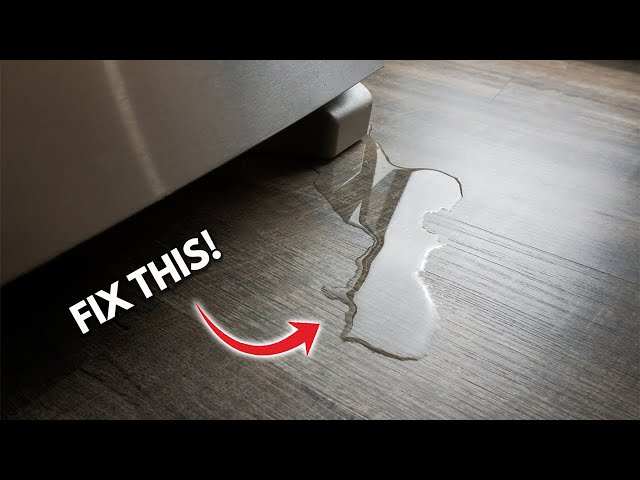
Discovering water leaking from your refrigerator can be alarming and frustrating. This not only creates a mess but can also potentially damage your flooring and surrounding areas. Common situations where you might encounter this problem include after a heavy grocery shopping trip, when the fridge is overly full, or even seemingly out of nowhere. Addressing the reason for water leakage in fridge promptly is important to prevent further damage and food spoilage.
Common Causes of Reason for Water Leakage in Fridge
Here are several common reasons why your fridge might be leaking water:
- Clogged Defrost Drain: This is the most frequent culprit. The defrost drain carries water from the defrost cycle to a pan under the fridge. When clogged, water overflows inside the fridge.
- Frozen Water Line: If your fridge has an ice maker or water dispenser, the water line can freeze, then melt, leading to leaks.
- Cracked or Damaged Water Line: A physical crack in the water line (usually plastic) will cause a steady leak.
- Loose Water Line Connections: Connections to the water line can loosen over time, causing drips.
- Full Drip Pan: The drip pan under the fridge can overflow if it’s not emptied regularly (some models require manual emptying).
- Damaged Door Seal: A worn-out or damaged door seal allows warm air to enter, causing condensation and eventual water leakage.
- Overfilled Ice Maker: If the ice maker is malfunctioning, it can overfill, spilling water and creating leaks.
- High Humidity: During periods of high humidity, condensation can form inside and outside the fridge, leading to drips.
- Faulty Water Filter Housing: If your refrigerator has a water filter, the housing can crack or become loose, causing leakage.
Symptoms Checklist
Here’s how to identify the source of your fridge’s water leak:
- Water pooling inside the refrigerator compartment.
- Water pooling beneath the refrigerator.
- Ice buildup in the freezer.
- Water stains on the floor near the fridge.
- Water dripping from the ice maker or water dispenser.
- The refrigerator is running more often than usual.
- Unusual noises coming from the fridge.
How to Fix Reason for Water Leakage in Fridge Step-by-Step Guide
Follow these steps to troubleshoot your leaking fridge:
- Unplug the Fridge: For safety, always unplug the refrigerator before working on it.
- Locate the Defrost Drain: This is usually located on the back wall of the freezer compartment, near the bottom.
- Clear the Defrost Drain: Use a turkey baster, a long, flexible wire, or a pipe cleaner to clear any blockage in the drain. You can also use warm water to help melt any ice.
- Check the Water Line: Inspect the water line (if applicable) for any cracks or leaks. Trace the line from the fridge to the water source.
- Tighten Water Line Connections: Gently tighten any loose connections on the water line. Be careful not to overtighten.
- Empty the Drip Pan: Locate the drip pan (usually at the bottom of the fridge, behind a grill) and empty it.
- Inspect the Door Seal: Check the door seal (gasket) for damage or debris. Clean it with a damp cloth and mild detergent.
- Check the Ice Maker: Observe the ice maker for any signs of overfilling or malfunction.
- Adjust Temperature Settings: Ensure your refrigerator’s temperature is set correctly. Too cold can cause freezing and leaks.
- Clean the Condenser Coils: Dirty condenser coils can cause the fridge to work harder and create condensation. Locate them (usually on the back of the fridge) and clean them with a vacuum cleaner brush attachment.
- Check the Water Filter (if applicable): Ensure the water filter is properly installed and not expired. A clogged filter can affect water pressure and cause leaks.
- Level the Refrigerator: An unlevel fridge can cause water to pool in certain areas. Use a level to ensure the fridge is sitting evenly.
- Monitor the Fridge: After making any adjustments, plug the fridge back in and monitor it for a few days to see if the leak returns.
Fix the Issue Without Buying Parts
Here are some free methods you can try before considering replacement parts:
- Reset the Fridge: Unplug the fridge for 30 minutes, then plug it back in. This can sometimes resolve minor electronic glitches.
- Thorough Cleaning: Clean the entire interior of the fridge, including shelves, drawers, and walls, to remove any food debris that could be contributing to the problem.
- Gasket Cleaning: Regular cleaning of the door gasket helps maintain a tight seal.
- Regular Inspection: Routinely check for signs of leaks or ice buildup to catch problems early.
When Replacement Might Be Necessary
In some cases, replacement of certain parts might be necessary. For example, a severely cracked water line ($20-$50), a damaged water filter housing ($30-$70), or a malfunctioning ice maker ($100-$200) might require replacement. If the defrost drain is consistently clogging even after cleaning, the defrost heater might be failing (potentially $50-$150). Before replacing any parts, consider the age and overall condition of your refrigerator.
Safety Warning
- Always unplug the refrigerator before attempting any repairs.
- Avoid standing water on the floor to prevent slips and falls.
- Be careful when using sharp objects to clear the defrost drain.
- If you are uncomfortable with electrical repairs, consult a qualified technician.
Tools You May Need
- Screwdriver (Phillips and flathead)
- Turkey baster or pipe cleaner
- Adjustable wrench
- Vacuum cleaner with brush attachment
- Level
- Bucket or towels
FAQ
Here are some frequently asked questions:
- Q: Why is my fridge leaking even after I cleaned the defrost drain? A: There may be another blockage further down the drain, or the defrost heater might be malfunctioning.
- Q: How often should I empty the drip pan? A: Check the drip pan every few months, or more often if you notice a lot of water.
- Q: Can a faulty water filter cause a leak? A: Yes, a clogged or improperly installed water filter can cause leaks around the filter housing.
- Q: Is it normal for my fridge to leak a little bit in humid weather? A: Some condensation is normal in humid weather, but excessive leakage indicates a problem.
Conclusion
By following these troubleshooting steps, you can often identify and fix the reason for water leakage in fridge yourself. Addressing the issue promptly can prevent further damage and extend the life of your appliance. If you’re still experiencing problems after trying these solutions, it might be time to consult a qualified appliance repair technician.
Youtube Video:
Looking for more useful options?
Check out recommended resources that others find helpful.