Introduction
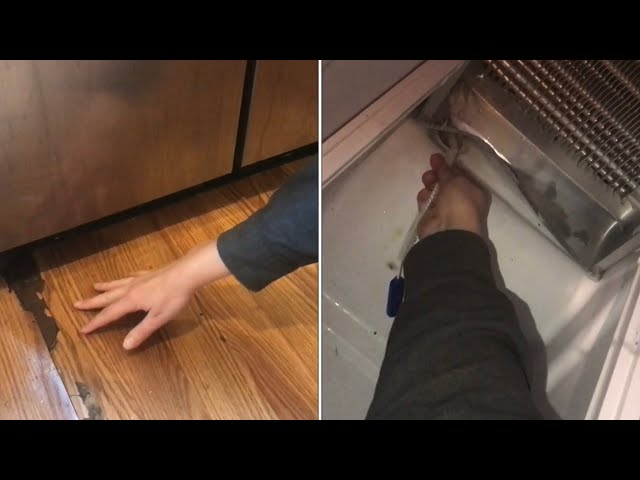
Finding a puddle of water at the bottom of your fridge can be a frustrating discovery. It’s a common issue that happens when excess condensation or melting ice accumulates faster than your fridge can manage it. This isn’t just about mopping up a mess; if left unchecked, it can lead to mold growth, damage to your flooring, and even affect the efficiency of your refrigerator. Identifying and addressing the cause quickly is important to keep your food fresh and your kitchen clean.
Common Causes of puddle at bottom of fridge
Several things can lead to a puddle forming at the bottom of your fridge:
- Clogged Defrost Drain: This is the most frequent culprit. The drain carries melted frost away, and if it’s blocked, water backs up and overflows.
- Icemaker Issues: Leaks in the icemaker’s water line or a malfunctioning icemaker valve can cause water to accumulate.
- Overfilled or Leaky Water Dispenser: If your fridge has a water dispenser, a faulty valve or leaky tubing can drip water inside the fridge.
- Door Seal Problems: A damaged or dirty door seal allows warm, moist air to enter, leading to excessive condensation.
- Improper Temperature Setting: Setting the temperature too low can cause excessive frost buildup, which then melts and causes puddles.
- Overcrowding: Blocking the vents inside the fridge can disrupt airflow and cause condensation.
- Humidity: High humidity levels in your kitchen can exacerbate condensation issues inside the fridge.
- Damaged Drain Pan: The drain pan, usually located at the bottom of the fridge near the compressor, can crack or overflow, causing water to leak.
Symptoms Checklist
Here’s how to know if your fridge puddle is a sign of a bigger problem:
- Water pooling consistently at the bottom of the fridge.
- Ice buildup on the back wall of the freezer or refrigerator compartment.
- Unusual noises from the refrigerator, such as gurgling or running water.
- Food spoiling faster than usual.
- Visible mold or mildew inside the refrigerator.
- A musty odor emanating from the fridge.
How to Fix puddle at bottom of fridge Step-by-Step Guide
Follow these steps to troubleshoot the puddle at the bottom of your fridge:
- Safety First: Unplug your refrigerator from the power outlet before starting any troubleshooting. This is crucial for your safety.
- Locate the Defrost Drain: It’s typically at the back of the freezer compartment, often behind a panel. Consult your fridge’s manual if you’re unsure.
- Melt Ice Buildup: If there’s ice blocking the drain, use a hairdryer on a low setting to melt it. Do not use sharp objects to chip away the ice, as this could damage the drain.
- Clear the Drain: Use a long, flexible object like a pipe cleaner, a thin wire, or a turkey baster filled with hot water to clear the drain. Gently insert the object into the drain and push any debris through.
- Flush the Drain: Pour a cup of hot water mixed with a tablespoon of baking soda down the drain to flush out any remaining debris.
- Check the Door Seal: Inspect the rubber seal around the fridge door for any tears, cracks, or dirt. Clean the seal with a damp cloth and mild detergent.
- Adjust the Temperature: Ensure the fridge temperature is set to the recommended level (usually between 37F and 40F or 3C and 4C).
- Organize the Contents: Rearrange the items in your fridge to ensure proper airflow. Avoid blocking the vents at the back or top.
- Empty the Drain Pan: Locate the drain pan, usually at the bottom of the fridge. Remove it and empty any water that has accumulated. Clean the pan thoroughly before replacing it.
- Inspect Icemaker and Water Dispenser Lines: If your fridge has these features, check for any leaks or drips. Tighten any loose connections.
- Run a Test Cycle: Plug the fridge back in and allow it to run for a few hours. Check for any new puddles or ice buildup.
- Monitor and Repeat: If the issue persists, repeat the cleaning and inspection steps. You may need to do this periodically to prevent clogs.
Fix the Issue Without Buying Parts
Many fridge water problems can be resolved without spending money:
- Reset Your Fridge: Unplug the fridge for 30 minutes and then plug it back in. This can sometimes reset the defrost cycle and clear minor blockages.
- Regular Cleaning: Clean your fridge every few weeks to prevent food debris from clogging the drain.
- Recalibrate Thermostat: Ensure your fridge is maintaining a consistent temperature. A fridge thermometer is useful here.
- Inspect Door Seals Regularly: Wipe down the seals with a damp cloth to remove grime and food particles.
- Maintain Proper Airflow: Avoid overpacking the fridge and blocking vents.
When Replacement Might Be Necessary
In some cases, replacement of parts might be needed, though try all fixes first. This is generally a last resort. Here are parts known to fail:
- If the door seal is severely damaged, replacing it is the only solution. A new seal typically costs between $30 and $100.
- If the defrost heater is broken, it won’t melt frost and should be replaced. Expect to pay $50 to $150 for the part.
- A faulty icemaker valve can cause constant dripping. Replacement costs around $40 to $80.
Safety Warning
- Always unplug the refrigerator before attempting any repairs.
- Be careful when working with electrical components.
- Clean up any water spills immediately to prevent slips and falls.
- If you are uncomfortable performing any of these steps, contact a qualified appliance repair technician.
Tools You May Need
Here’s a list of simple tools that can help with this repair:
- Screwdriver (Phillips and flathead)
- Pipe cleaner or thin wire
- Turkey baster
- Hairdryer
- Adjustable wrench
- Multimeter (for testing electrical components, optional)
- Bucket or towels
FAQ
Here are some frequently asked questions about fridge puddles:
-
Q: How often should I clean my fridge’s defrost drain?
A: Ideally, clean it every 6 months, or more frequently if you notice water buildup. -
Q: Can I use bleach to clean the drain?
A: It’s best to avoid bleach as it can damage the drain components. Use hot water and baking soda instead. -
Q: Why is my fridge freezing food?
A: The temperature setting might be too low. Also check for blocked vents or a faulty thermostat. -
Q: What if I can’t find the defrost drain?
A: Consult your refrigerator’s owner’s manual. It will have specific instructions and diagrams.
Conclusion
Don’t let a puddle at the bottom of your fridge stress you out! Most of the time, you can tackle the issue yourself with a few simple steps. Start with the easy fixes like cleaning the drain and checking the door seals. Before you call a technician, give these troubleshooting steps a try. You might be surprised at how easily you can solve the problem and save yourself some money!
Youtube Video:
Looking for more useful options?
Check out recommended resources that others find helpful.