
Introduction
A washing machine that isn’t getting enough water can be a real headache. Clothes might not get properly cleaned, wash cycles take much longer, and you could even damage your machine. This problem can show up suddenly or gradually. You might notice it on just one cycle type, or it could affect all loads. Its important to address this issue quickly to avoid further damage and keep your laundry routine running smoothly. Explore more in our Washing Machine Problems 5 collection.
💡 Technical Key Takeaways:
- Core Focus: Diagnostic schematic and terminal connection layout for Not Enough Water Going Into Washing Machine.
- Target Scope: Field technicians, automotive DIYers, and residential/commercial electricians.
- Safety Rule: Always disconnect the primary power source/battery terminal and verify zero voltage with a multimeter before touching wires.
Common Causes of Not Enough Water Going Into Washing Machine
There are several reasons why your washing machine might not be getting enough water:
- Closed Water Supply Valves: The hot and cold water valves behind your machine might be partially or fully closed.
- Kinked or Blocked Water Supply Hoses: The hoses connecting your machine to the water supply can become kinked, twisted, or clogged with sediment.
- Clogged Inlet Screens: Small screens where the water hoses connect to the washing machine can become clogged with debris.
- Defective Water Inlet Valve: This valve controls the flow of water into the machine. If it’s faulty, it might not open fully.
- Low Water Pressure: Your home’s overall water pressure might be too low to properly fill the washing machine.
- Faulty Water Level Pressure Switch: This switch senses the water level in the tub and tells the inlet valve to close. If it’s malfunctioning, it might prematurely shut off the water.
- Clogged Drain Hose: Sometimes, if the drain is blocked, the machine won’t fill properly as it senses a draining issue.
- Incorrect Cycle Selection: Selecting a delicate or small load cycle might use less water than a normal or large load cycle.
Symptoms Checklist
Here’s how to know if your washing machine isn’t getting enough water:
- Clothes are still dry or only damp after the wash cycle starts.
- The wash cycle takes significantly longer than usual.
- You hear the machine running, but no water is entering the tub.
- Error codes related to water fill level appear on the machine’s display panel.
- The water pressure coming from the faucets in your house seems weak.
How to Fix Not Enough Water Going Into Washing Machine Step-by-Step Guide
Follow these steps to troubleshoot and fix the problem:
- Check the Water Supply Valves: Locate the hot and cold water supply valves behind your washing machine. Make sure they are fully open by turning them counterclockwise.
- Inspect the Water Supply Hoses: Check the hoses for any kinks, twists, or visible damage. Straighten out any kinks and ensure the hoses are not compressed.
- Disconnect the Hoses: Turn off the water supply valves. Carefully disconnect the water supply hoses from both the washing machine and the water valves. Have a bucket ready to catch any spilled water.
- Clean the Inlet Screens: Locate the small screens inside the hose connections on the back of the washing machine. Use pliers to carefully remove the screens. Rinse them thoroughly under running water to remove any sediment or debris. Reinstall the screens.
- Flush the Hoses: Connect the hoses back to the water valves (not the washing machine). Turn the water valves on briefly to flush out any sediment or debris that might be inside the hoses. Turn the valves off again.
- Reconnect the Hoses: Reconnect the hoses to the washing machine, ensuring they are securely tightened.
- Check Water Pressure: Turn on both the hot and cold water supply valves and observe the water flow into the machine. Compare the pressure to other faucets in your home. If the pressure is noticeably lower, you may have a plumbing issue.
- Run a Test Cycle: Select a normal wash cycle and start the machine. Observe whether the water fills to the appropriate level.
- Check the Drain Hose: Ensure the drain hose is not kinked or blocked. If it is, clear the blockage.
- Check the Water Level Setting: Make sure the water level setting on your machine is appropriate for the load size.
- Examine the pressure hose/switch: This is a tube that runs from the bottom of the washtub to the pressure switch. Make sure it’s secure, not cracked, and unobstructed. Blow gently into the hose to verify.
Fix the Issue Without Buying Parts
Here are some ways to try fixing the problem without needing to replace any parts:
- Reset the Machine: Unplug the washing machine from the power outlet for 1-2 minutes. Then, plug it back in and try running a cycle. This can sometimes reset the electronic controls.
- Clean the Dispenser Drawer: Over time, detergent and fabric softener can build up in the dispenser drawer, potentially affecting water flow. Remove the drawer and clean it thoroughly with warm water and a brush.
- Check User Manual: Refer to your washing machine’s user manual for specific troubleshooting steps or error code explanations.
- Inspect Venting: Ensure any venting connected to your drain line is free from obstructions.
When Replacement Might Be Necessary
If you’ve tried all the troubleshooting steps and the problem persists, you might need to replace a part. Common culprits include:
- Water Inlet Valve: If the valve is not opening fully, replacing it might be necessary. Estimated cost: $30 – $70 USD.
- Water Level Pressure Switch: If this switch is faulty, it might be prematurely shutting off the water. Estimated cost: $20 – $50 USD.
Safety Warning
- Always unplug the washing machine from the power outlet before performing any troubleshooting or repairs.
- Turn off the water supply valves before disconnecting any water hoses.
- Be careful when handling water, as wet floors can be slippery.
- If you are uncomfortable performing any of these steps, consult a qualified appliance repair technician.
Tools You May Need
- Pliers
- Bucket
- Screwdriver (Phillips and flathead)
- Adjustable wrench
- Old toothbrush or small brush
FAQ
- Why is my washing machine filling very slowly? Low water pressure, clogged inlet screens, or a partially closed water supply valve are likely causes.
- What does it mean when my washing machine shows an error code related to water fill? This usually indicates a problem with the water supply, inlet valve, or water level sensor. Refer to your user manual for the specific meaning of the code.
- How do I know if my water inlet valve is bad? You can test it with a multimeter or simply observe whether it opens and closes when the machine is calling for water.
- Can I use a garden hose to connect my washing machine to the water supply? No, garden hoses are not designed for this purpose and can contaminate the water supply. Use proper washing machine hoses.
Conclusion
Troubleshooting a washing machine that’s not getting enough water can seem daunting, but by following these steps, you can often identify and fix the problem yourself. Remember to always prioritize safety and consult your user manual for specific instructions. If you’ve exhausted all options and the issue persists, don’t hesitate to call a qualified appliance repair technician. Sometimes, a professional eye is the best way to get your laundry routine back on track!. Discover more free resources across our collection library.
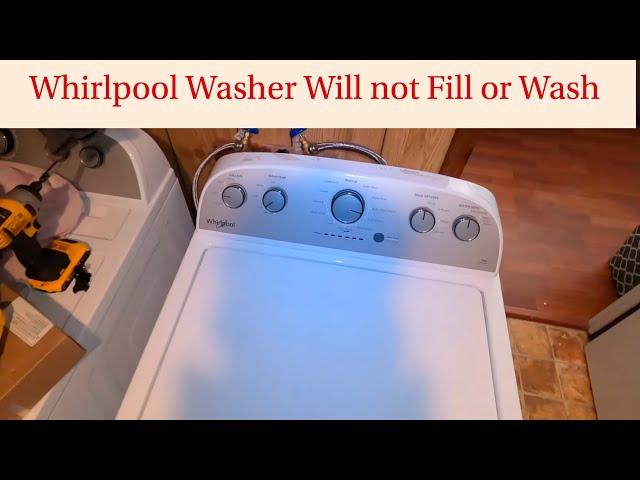
Youtube Video:
Quick Wiring Specifications & Terminal Guide
| Component / Circuit | Standard Wire Gauge | Recommended Protection |
|---|---|---|
| Control & Trigger Signals | 18 – 20 AWG | 5A – 7.5A Inline Fuse |
| Standard Auxiliary Load | 14 – 16 AWG | 15A – 20A Circuit Breaker |
| Main Power Feed / Supply | 10 – 12 AWG | 30A – 40A Heavy-Duty Relay |
