
Introduction
A Norcold RV refrigerator that isn’t cooling properly can quickly spoil your food and ruin a camping trip. This problem often occurs when the refrigerator hasn’t been used in a while, after traveling on bumpy roads, or during periods of high heat. Addressing this issue promptly is crucial to avoid food waste and ensure a comfortable and safe RV experience. Don’t panic many times, it’s a simple fix you can handle yourself!. Explore more in our Refrigerator Problems 1 collection.
💡 Technical Key Takeaways:
- Core Focus: Diagnostic schematic and terminal connection layout for Norcold Rv Refrigerator Not Cooling.
- Target Scope: Field technicians, automotive DIYers, and residential/commercial electricians.
- Safety Rule: Always disconnect the primary power source/battery terminal and verify zero voltage with a multimeter before touching wires.
Common Causes of Norcold RV Refrigerator Not Cooling
Here are some of the most common reasons why your Norcold RV refrigerator might not be cooling:
- Incorrect Leveling: RV refrigerators need to be relatively level to function correctly. If the RV is parked on uneven ground, the cooling process can be disrupted.
- Blocked Venting: Obstructions in the refrigerator’s vents (both inside and outside) can prevent proper airflow, hindering cooling.
- Dirty Burner Assembly: If you’re using propane, a dirty burner assembly can prevent efficient combustion and reduce cooling performance.
- Malfunctioning Thermostat: A faulty thermostat might not accurately sense the temperature, preventing the refrigerator from cycling on as needed.
- LP Gas Issues: Low propane levels, a leak in the propane system, or a faulty regulator can affect the refrigerator’s ability to cool on propane.
- Power Supply Problems: Issues with your RV’s 12V DC power or the shore power connection (120V AC) can prevent the refrigerator from operating efficiently on electric mode.
- Control Board Issues: While less common, a malfunctioning control board can disrupt the entire cooling process.
- Ammonia Leak: In absorption refrigerators (typical of Norcold), a leak in the ammonia coolant system will cause it to slowly stop cooling.
- Too Much Food Inside: Overpacking the refrigerator can restrict airflow and prevent proper cooling.
Symptoms Checklist
Check the following indicators to diagnose the issue accurately:
- The refrigerator is warm or only slightly cool inside.
- The freezer is not freezing.
- The refrigerator is running constantly without cooling effectively.
- You hear no sound coming from the refrigerator at all.
- The “Check” light or an error code is displayed on the control panel.
- Ammonia smell near the unit.
- The refrigerator cools better on propane than on electric or vice versa.
How to Fix Norcold RV Refrigerator Not Cooling Step-by-Step Guide
Follow these steps to troubleshoot and fix your Norcold RV refrigerator:
- Ensure Leveling: Park your RV on a level surface. Use a bubble level to check that the refrigerator is within the recommended tolerance (usually within 3 degrees).
- Check Vents: Inspect both the interior and exterior vents of the refrigerator. Remove any obstructions such as papers, boxes, or insect nests.
- Clean the Burner Assembly (Propane Mode): If using propane, carefully clean the burner assembly with a wire brush to remove any soot or debris. Consult your refrigerator’s manual for specific cleaning instructions.
- Check the Thermostat: Ensure the thermostat is set to the desired cooling level. Try adjusting it to a colder setting to see if the refrigerator responds.
- Verify Propane Supply: Make sure your propane tank is full and that the regulator is functioning correctly. Check for any leaks in the propane lines using a soapy water solution (bubbles indicate a leak).
- Check Power Supply: Verify that your RV is receiving adequate 12V DC power. Also, check your shore power connection (120V AC) if you’re plugged in. Check circuit breakers and fuses.
- Inspect the Cooling Unit: Visually inspect the cooling unit (usually located at the rear of the refrigerator) for any signs of damage, leaks, or excessive rust.
- Defrost the Refrigerator: Excessive frost buildup can hinder cooling. Turn off the refrigerator and allow it to defrost completely. Then, restart it and monitor its performance.
- Check the Door Seals: Ensure the door seals are clean and in good condition. Damaged or dirty seals can allow warm air to enter the refrigerator.
- Avoid Overpacking: Don’t overcrowd the refrigerator. Allow for adequate airflow around the food items.
- Check the Control Board: Look for obvious signs of damage, burned components, or loose connections on the control board. If you are not familiar with electronics, do not attempt to repair this.
- Test the Heating Element (Electric Mode): Use a multimeter to test the heating element for continuity. A lack of continuity indicates a faulty element.
Fix the Issue Without Buying Parts
Try these free methods before considering replacement parts:
- Reset the Refrigerator: Many Norcold refrigerators have a reset button or a specific reset procedure. Consult your owner’s manual for instructions.
- Deep Cleaning: Thoroughly clean the interior of the refrigerator to remove any mold, mildew, or food residue that could be affecting its performance.
- Leveling Recalibration: Re-level the RV carefully, paying close attention to the refrigerator’s level.
- Ventilation Inspection: Perform regular inspections of the vents to ensure they are free from obstructions.
- Basic Maintenance: Follow the manufacturer’s recommended maintenance schedule for your Norcold refrigerator.
When Replacement Might Be Necessary
If you’ve tried all the troubleshooting steps and your Norcold refrigerator still isn’t cooling, replacement may be necessary. Common parts that fail include the cooling unit, thermostat, and control board. The cost of replacing a cooling unit can range from $500 to $1500, while a new thermostat or control board might cost between $100 and $300. Getting a new RV Refrigerator might cost $800 to $3000, depending on size and features.
Safety Warning
- Always disconnect the refrigerator from power (both 12V DC and 120V AC) before performing any troubleshooting or repairs.
- If working with propane, ensure adequate ventilation and avoid open flames.
- Be careful when handling electrical components. If you’re not comfortable working with electricity, consult a qualified technician.
- Wear safety glasses when cleaning the burner assembly to protect your eyes from debris.
- If you smell ammonia, ventilate the area immediately and contact a qualified technician.
Tools You May Need
- Screwdrivers (Phillips and flathead)
- Bubble level
- Wire brush
- Multimeter
- Wrench set
- Socket set
- Soapy water solution (for propane leak detection)
FAQ
Here are some frequently asked questions about Norcold RV refrigerators:
- Q: My refrigerator cools on propane but not on electric. What could be the problem? A: The heating element may be faulty. Test it with a multimeter.
- Q: My refrigerator makes a clicking sound but doesn’t start. What does this mean? A: This could indicate a problem with the igniter in propane mode, or a voltage problem in electric mode.
- Q: How often should I defrost my RV refrigerator? A: Defrost the refrigerator whenever frost buildup exceeds inch.
- Q: What temperature should my RV refrigerator be set at? A: The ideal temperature is between 34F and 40F (1C and 4C).
- Q: How can I prevent my RV Refrigerator from getting moldy during winter storage? A: Leave the doors slightly ajar, clean and dry the inside, and put an open box of baking soda to absorb moisture.
Conclusion
Troubleshooting a Norcold RV refrigerator that isn’t cooling can seem daunting, but with a systematic approach and these helpful tips, you can often diagnose and fix the issue yourself. Remember to prioritize safety and consult your refrigerator’s manual for specific instructions. If you’ve exhausted all troubleshooting options and are still experiencing problems, it’s best to call a qualified RV technician to avoid further damage. Get your fridge running smoothly and enjoy your next adventure!. Discover more free resources across our collection library.
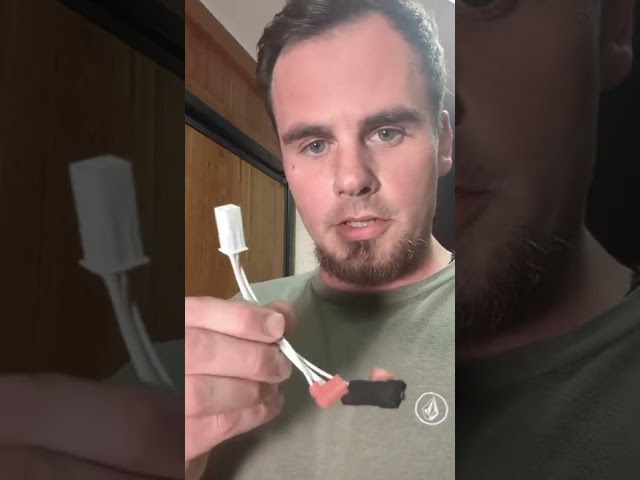
Youtube Video:
Quick Wiring Specifications & Terminal Guide
| Component / Circuit | Standard Wire Gauge | Recommended Protection |
|---|---|---|
| Control & Trigger Signals | 18 – 20 AWG | 5A – 7.5A Inline Fuse |
| Standard Auxiliary Load | 14 – 16 AWG | 15A – 20A Circuit Breaker |
| Main Power Feed / Supply | 10 – 12 AWG | 30A – 40A Heavy-Duty Relay |
