
Introduction
A Norcold RV refrigerator is a vital appliance for any road trip, keeping your food and drinks fresh. When it stops cooling on electric power, it can be a major inconvenience and lead to spoiled food, especially during extended travel. This issue often surfaces after periods of inactivity or when the RV is parked in extreme temperatures. Addressing this promptly is important to prevent food waste and ensure a comfortable and safe journey.
💡 Technical Key Takeaways:
- Core Focus: Diagnostic schematic and terminal connection layout for Norcold Rv Refrigerator Not Cooling On Electric.
- Target Scope: Field technicians, automotive DIYers, and residential/commercial electricians.
- Safety Rule: Always disconnect the primary power source/battery terminal and verify zero voltage with a multimeter before touching wires.
Common Causes of norcold rv refrigerator not cooling on electric
Here are some of the common reasons why your Norcold RV refrigerator might not be cooling when running on electric:. For more related activities, check out our Lg Fridge Making Vibrating Noise.
- Tripped Circuit Breaker: The refrigerator’s dedicated circuit breaker might have tripped, cutting off power.
- Faulty Heating Element: The electric heating element responsible for creating heat in the cooling unit could be burned out.
- Blocked Venting: Restricted airflow around the refrigerator’s coils prevents proper heat dissipation.
- Dirty Cooling Unit: Accumulated dust and debris on the cooling unit hinder heat exchange.
- Incorrect Thermostat Setting: The thermostat might be set too low, or be malfunctioning.
- Damaged Power Cord: A frayed or damaged power cord can interrupt the electrical supply.
- Control Board Issue: The refrigerator’s control board might be malfunctioning, affecting its ability to regulate temperature.
- Overloaded Refrigerator: Too much food packed inside can impede airflow and cooling efficiency.
- Incorrect Leveling: RV refrigerators need to be relatively level to operate correctly. Being off-level can affect the cooling process.
Symptoms Checklist
Check these indicators to accurately diagnose the problem:
- The refrigerator is warm to the touch inside.
- The control panel shows no error codes (or displays an error code related to the electric heating element).
- The light inside the refrigerator still works, indicating some power is present.
- The back of the refrigerator feels warmer than usual.
- The freezer compartment is also not cooling.
- You can hear the cooling fan running (if equipped), but the refrigerator isn’t getting cold.
How to Fix norcold rv refrigerator not cooling on electric Step-by-Step Guide
- Check the Circuit Breaker: Locate the RV’s circuit breaker panel and check if the breaker for the refrigerator has tripped. Reset it if necessary.
- Inspect the Power Cord: Carefully examine the power cord for any signs of damage, such as cuts, fraying, or exposed wires. Replace the cord if you find any damage.
- Verify the Outlet: Plug a different appliance into the outlet to ensure it’s providing power. If the outlet isn’t working, investigate the electrical system further.
- Check the Thermostat Setting: Make sure the thermostat is set to the desired cooling level. Try adjusting it to a colder setting and see if the refrigerator responds.
- Ensure Proper Venting: Inspect the refrigerator’s vents on the exterior of the RV. Remove any obstructions, such as leaves, debris, or insect nests.
- Clean the Cooling Unit: Carefully remove the access panel on the back of the refrigerator. Use a soft brush or vacuum to clean the cooling unit, removing any accumulated dust and debris.
- Check for Leveling: Use a level to ensure the RV is relatively level. Adjust the RV’s leveling jacks or use leveling blocks to correct any significant tilt.
- Inspect the Heating Element (Visual): If you are comfortable, visually inspect the electric heating element (usually a metal rod). Look for signs of damage, such as bulges, cracks, or burns. Be very careful not to touch any electrical components.
- Test the Heating Element (Advanced – Use Caution): Warning: Only perform this step if you have experience with electrical testing and know how to safely use a multimeter. Disconnect the power to the refrigerator. Use a multimeter to test the resistance of the heating element. A reading of zero or infinity indicates a faulty element. If unsure, skip this step and consult a professional.
- Reset the Refrigerator: Some Norcold refrigerators have a reset button or procedure. Consult your owner’s manual for specific instructions on how to reset the refrigerator.
- Defrost the Refrigerator: If ice has built up excessively inside the refrigerator, manually defrost it. Turn off the refrigerator, remove all food, and leave the door open for several hours until the ice melts.
- Check the Control Board Fuses: Locate the control board (usually behind an access panel) and inspect the fuses. Replace any blown fuses with the correct amperage. Consult the service manual.
Fix the Issue Without Buying Parts
Before considering replacement parts, try these free methods:
- Reset: Perform a hard reset by disconnecting the power for 30 minutes, then reconnecting.
- Cleaning: Regularly clean the vents and cooling unit to maintain proper airflow.
- Recalibration (if applicable): Some models have recalibration options in the menu.
- Inspection: Periodically inspect the back of the refrigerator for any visible signs of damage.
- Maintenance Basics: Ensure the refrigerator is properly leveled and not overloaded.
When Replacement Might Be Necessary
If the above troubleshooting steps don’t resolve the issue, the heating element or the control board might need replacement. Replacing the heating element typically costs between $50 and $150. A new control board can range from $200 to $500, depending on the model. Consider consulting a certified RV technician before deciding to replace any major components. The cooling unit itself is a major component and could be more expensive to replace, perhaps closer to buying a new refrigerator. Parts that often fail are the heating element and the control board.
Safety Warning
- Always disconnect the power supply before working on any electrical components.
- Avoid working on the refrigerator in wet or damp conditions.
- Be careful when handling electrical components to avoid electric shock.
- Do not attempt repairs beyond your skill level.
- If you are uncomfortable with any of these steps, consult a qualified RV technician.
Tools You May Need
- Screwdrivers (Phillips and flathead)
- Multimeter (for advanced testing)
- Socket set
- Vacuum or soft brush
- Level
- Flashlight
FAQ
Q: Why is my RV refrigerator cooling on propane but not on electric?
A: This indicates a problem specifically with the electric heating element or the electrical circuit supplying power to it. The propane system is independent.
Q: How often should I clean the refrigerator vents?
A: Inspect and clean the vents at least twice a year, or more frequently if you travel in dusty or wooded areas.
Q: Can I run my RV refrigerator on electric while driving?
A: While possible in some setups, it’s generally recommended to run it on propane while driving to avoid draining the batteries or overloading the electrical system.
Q: What does it mean when my Norcold refrigerator displays an error code?
A: Error codes provide valuable clues about the problem. Consult your owner’s manual for a list of error codes and their corresponding meanings. Common ones may relate to the heater element or other sensor malfunctions.
Conclusion
Troubleshooting a Norcold RV refrigerator that isn’t cooling on electric can seem daunting, but by following these steps, you can often identify and resolve the issue yourself. Remember to prioritize safety and consult a professional if you’re unsure about any aspect of the repair. With a little effort, you can get your refrigerator running efficiently again and enjoy your RV adventures without worrying about spoiled food.
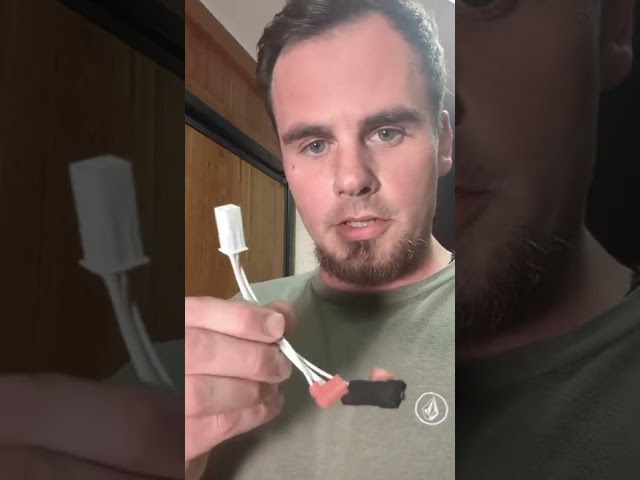
Youtube Video:
Quick Wiring Specifications & Terminal Guide
| Component / Circuit | Standard Wire Gauge | Recommended Protection |
|---|---|---|
| Control & Trigger Signals | 18 – 20 AWG | 5A – 7.5A Inline Fuse |
| Standard Auxiliary Load | 14 – 16 AWG | 15A – 20A Circuit Breaker |
| Main Power Feed / Supply | 10 – 12 AWG | 30A – 40A Heavy-Duty Relay |
Images References
Looking for more diagnostic guides? Explore our complete Refrigerator Problems 4 section for step-by-step troubleshooting solutions.
