
Introduction
Discovering your Norcold RV fridge isn’t cooling when you’re on the road can be a real headache. No one wants spoiled food and melted ice cream ruining their trip! A fridge that’s not cooling can be caused by a variety of issues, from simple fixes to more complex problems. Addressing this quickly is important because not only will your food spoil, but a fridge working overtime to try and cool can also damage its components.
💡 Technical Key Takeaways:
- Core Focus: Diagnostic schematic and terminal connection layout for Norcold Rv Fridge Not Cooling.
- Target Scope: Field technicians, automotive DIYers, and residential/commercial electricians.
- Safety Rule: Always disconnect the primary power source/battery terminal and verify zero voltage with a multimeter before touching wires.
Common Causes of norcold rv fridge not cooling
Here are some common culprits behind a Norcold RV fridge that’s not cooling:
- Fridge is not level: RV fridges rely on gravity to circulate coolant. Being off-level drastically reduces efficiency.
- Blocked vents: Restricted airflow around the fridge prevents proper heat dissipation.
- Dirty burner or flue (for gas operation): Soot and debris reduce the burner’s efficiency, affecting cooling.
- Propane supply issues: Low propane or a faulty regulator can prevent the fridge from cooling on gas.
- Faulty heating element (for electric operation): A burnt-out heating element won’t provide the necessary heat for the cooling process.
- Damaged thermistor: The thermistor senses the fridge’s temperature. If it’s faulty, the fridge might not cool properly.
- Control board issues: The control board manages the fridge’s operation. A malfunctioning board can prevent cooling.
- Ammonia leak: A leak in the cooling unit will cause the fridge to stop cooling entirely.
- Too much food inside: Overpacking the fridge blocks airflow and makes it harder to cool.
- Door seals are faulty: Warm air enters and cause issue to cooling the fridge.
Symptoms Checklist
These symptoms can help you pinpoint the cause of your fridge problems:
- The fridge is warm to the touch inside.
- The freezer is also not cooling, or only partially cooling.
- The fridge works on propane but not on electric, or vice versa.
- You smell ammonia.
- The fridge runs constantly without cooling.
- Error codes are displayed on the control panel.
- The back of the fridge is excessively hot.
How to Fix norcold rv fridge not cooling Step-by-Step Guide
Follow these steps to troubleshoot your Norcold fridge:
- Ensure the RV is level: Use a bubble level on the fridge’s floor to confirm it’s level. Adjust the RV’s leveling jacks as needed.
- Check the vents: Remove any obstructions from the exterior fridge vents. Clean the vents with a brush to remove dust and debris.
- Inspect the burner and flue (for gas): Turn off the propane supply. Carefully remove the burner cover and clean the burner and flue with a wire brush.
- Verify propane supply: Ensure the propane tank is full and the regulator is working correctly. Try lighting other propane appliances to confirm the supply.
- Check the heating element (for electric): If youre comfortable and knowledgeable about electrical work, use a multimeter to test the heating element for continuity. Consult a professional if you are unsure.
- Inspect the thermistor: The thermistor is usually clipped to the cooling fins inside the fridge. Make sure it’s properly positioned and not damaged.
- Check the control board: Look for any signs of damage, such as burnt components or corrosion.
- Defrost the fridge: A heavy frost buildup can block airflow. Turn off the fridge and allow it to defrost completely.
- Clean the door seals: Wipe the door seals with a damp cloth to remove any dirt or grime.
- Adjust the temperature setting: Make sure the temperature setting is appropriate for the ambient temperature.
- Check the voltage: Ensure the RV is receiving the correct voltage (120V AC or 12V DC, depending on the power source).
- Reset the fridge: Turn off the fridge, disconnect it from power for a few minutes, and then reconnect it and turn it back on.
- Check the interior fan: If your fridge has an interior fan, make sure it is running. This fan helps circulate air and improve cooling.
Fix the Issue Without Buying Parts
Sometimes, simple solutions can resolve the cooling issue without needing new parts:
- Reset the fridge: As mentioned above, a simple reset can sometimes clear errors and restore normal operation.
- Proper Cleaning: Regularly cleaning the fridge’s interior and exterior vents can prevent airflow obstructions.
- Leveling Check: Frequently check and adjust the RV’s leveling to ensure optimal fridge performance.
- Avoid Overpacking: Don’t overfill the fridge. Leave space for air to circulate.
- Proper Loading: Place chilled items near the cooling fins to aid in cooling.
When Replacement Might Be Necessary
If you’ve tried all the troubleshooting steps and the fridge still isn’t cooling, the cooling unit itself may be failing. An ammonia leak is a sign of cooling unit failure. Replacement of the cooling unit can cost between $500 and $1000, depending on the model. The thermistor and control board are other parts that may need replacement, costing around $50 – $200 each. Replacing the entire fridge is also an option, with prices ranging from $800 to $2000 or more.
Safety Warning
- Always disconnect the RV from power and propane before performing any maintenance or repairs.
- Work in a well-ventilated area, especially when dealing with propane.
- If you are not comfortable working with electricity or propane, consult a qualified technician.
- Avoid working on the fridge when the floor is wet.
Tools You May Need
- Screwdrivers (Phillips and flathead)
- Wrench set
- Multimeter (for electrical testing)
- Wire brush
- Bubble level
- Cleaning cloths
FAQ
Here are some frequently asked questions about Norcold RV fridge cooling problems:
- Q: Why is my fridge working on propane but not on electric? A: This could be due to a faulty heating element.
- Q: How do I know if my cooling unit is bad? A: If you smell ammonia, the cooling unit is likely leaking and needs replacement.
- Q: What temperature should my RV fridge be? A: The ideal temperature is between 34F and 40F.
- Q: Why is my fridge freezing food? A: The thermistor may be faulty, or the temperature setting may be too low.
- Q: Can I run my RV fridge while driving? A: Yes, you can run it on propane or 12V DC power.
- Q: What should I do if I see error codes on the fridge panel? A: Consult your Norcold manual for error code definitions and troubleshooting steps.
Conclusion
Troubleshooting a Norcold RV fridge that’s not cooling might seem daunting, but by following these steps, you can often diagnose and fix the problem yourself. Remember to start with the simplest solutions, like leveling the RV and cleaning the vents. If you’ve exhausted all troubleshooting steps and the fridge still isn’t cooling, it’s time to consult a qualified RV technician. By taking a DIY approach first, you can potentially save yourself time and money on costly repairs.
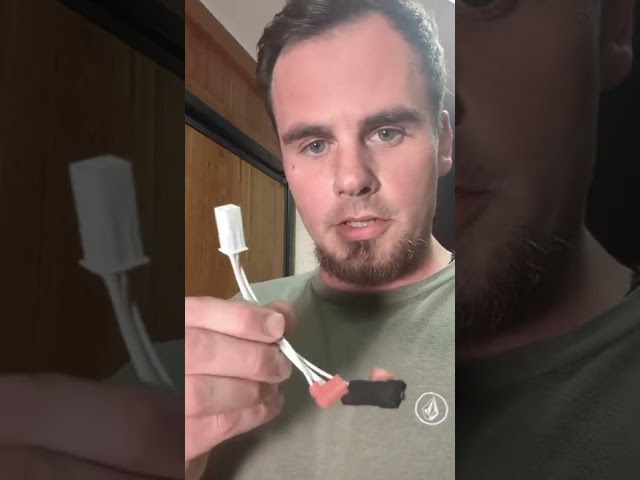
Youtube Video:
Quick Wiring Specifications & Terminal Guide
| Component / Circuit | Standard Wire Gauge | Recommended Protection |
|---|---|---|
| Control & Trigger Signals | 18 – 20 AWG | 5A – 7.5A Inline Fuse |
| Standard Auxiliary Load | 14 – 16 AWG | 15A – 20A Circuit Breaker |
| Main Power Feed / Supply | 10 – 12 AWG | 30A – 40A Heavy-Duty Relay |
Images References
Looking for more diagnostic guides? Explore our complete Refrigerator Problems 1 section for step-by-step troubleshooting solutions.
